[The Science of Micro-Carbonated Sake] Kaze no Mori, Narutotai, Ubusuna, Kankiku & Tabika Nama — Why Modern Cult Sakes Prickle with Natural CO2
Tasting

[The Science of Micro-Carbonated Sake] Kaze no Mori, Narutotai, Ubusuna, Kankiku & Tabika Nama — Why Modern Cult Sakes Prickle with Natural CO2

2026-10-249min readSakeStream
Back
EXECUTIVE SUMMARY & KEY TAKEAWAYS

Walk into any top sake bar in Tokyo or Seoul today and you will hear one phrase above all others: "gas-kan" (natural micro-effervescence). With zero artificial carbonation, how do cult bottles like Kaze no Mori, Narutotai, Ubusuna, Kankiku, and Tabika Nama trap natural fermentation CO2 inside the bottle?

Key Sections in This Report:

What Tokyo and Seoul Sommeliers Mean by "Gas-kan" (Micro-Effervescence)

Pour a chilled glass of modern craft sake in Tokyo or Seoul today, look closely at the bottom of the tulip glass, and you will see a constellation of microscopic pearls rising silently to the surface. On the tongue, it delivers an electric, prickling lift known in specialist sake journalism (SAKE Street) as gas-kan (ガス感 — natural micro-carbonation).

Crucially, these bottles are not artificially carbonated sparkling sakes. Every single bubble is 100% natural fermentation carbon dioxide (CO₂) created by sake yeast during the final days of cold winter fermentation and trapped inside the bottle through precision cellar engineering.


Fermentation Stoichiometry & Henry’s Law

To understand how still sake becomes naturally effervescent, look at the fundamental equation of alcoholic fermentation:

Fermentation Reaction
C₆H₁₂O₆ (Glucose) → 2 C₂H₅OH (Ethanol) + 2 CO₂ (Carbon Dioxide)
Henry’s Law (Gas Solubility)
The colder the liquid (5–8°C in finishing Ginjo mash), the higher the concentration of dissolved natural CO₂ retained in solution.

For every molecule of alcohol a yeast cell produces, it generates an equal molecule of carbon dioxide. According to Henry’s Law in physical chemistry, the solubility of a gas in a liquid increases dramatically as temperature drops. Because modern Ginjo and craft Junmai mashes (moromi) finish fermenting at near-freezing temperatures (5°C to 8°C), the liquid inside the press is supersaturated with dissolved CO₂.

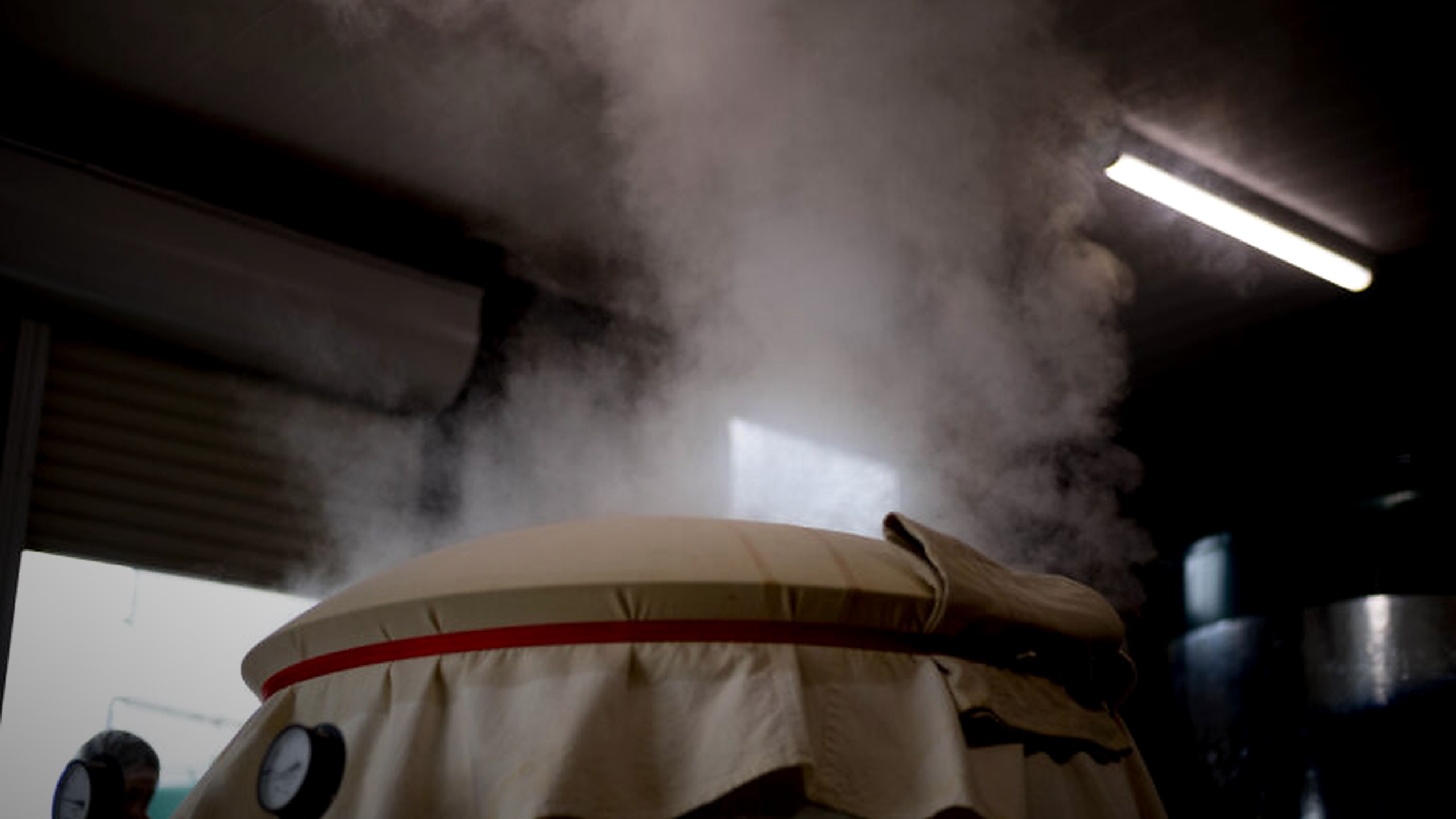
In conventional 20th-century brewing, that natural gas was lost when sake was pumped into holding tanks, charcoal-filtered, diluted with water, and pasteurized in open vats. Today’s avant-garde brewers re-engineered the post-pressing workflow so not a single milligram of dissolved fermentation CO₂ escapes.


Three Cellar Techniques That Lock Natural CO₂ Inside the Bottle

#1

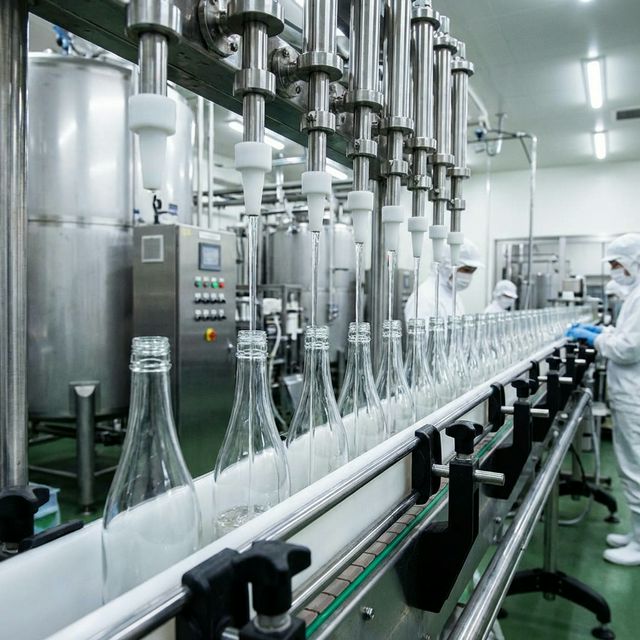
Jikagumi (直汲み — Direct-from-Press Bottling)
How It Works
Instead of pumping pressed sake into a settling tank, brewers attach a filling line directly to the press spout (funaba jikagumi) and fill bottles one by one by hand.
Quality Impact
Eliminating transfer pumps prevents cavitation and degassing, sealing both supersaturated CO₂ and volatile fruit esters inside the glass.
Direct-from-press jikagumi bottling line engineered to seal every milligram of natural fermentation CO2 inside the bottle
#2

Gentle Fune Box Pressing & Yucho Shuzo’s Patented "Ikakidori"

How It Works
At Hayakawa Shuzo (Tabika), cloth bags of mash are layered inside a traditional rectangular box press (fune), allowing gravity and gentle pressure to release the liquid without agitating dissolved gas.
Quality Impact
Even more radically, Nara’s Yucho Shuzo (Kaze no Mori) invented Ikakidori (笊籬採り)—submerging a perforated screen directly into the chilled moromi tank to draw out crystal-clear unpasteurized sake without using a mechanical press or transfer pump at all.
#3

Dissolved CO₂ as a "Natural Antioxidant Shield"

How It Works
Beyond its refreshing prickle on the palate, dissolved CO₂ blankets the liquid and bottle headspace.
Quality Impact
Carbon dioxide physically blocks dissolved oxygen (O₂) from oxidizing delicate nama (unpasteurized) esters—preserving just-pressed freshness from the brewery cellar all the way to your glass.

Three Sensory Reasons Micro-Carbonation Elevates Fine Dining

1
TRPA1 Receptor Activation (Cutting Residual Sweetness): Microscopic bubbles stimulate trigeminal cold/prickle receptors on the tongue, making plush, low-ABV rice sweetness finish razor-sharp and dry.
2
Retronasal Ester Lift: As micro-bubbles warm to 36°C in the mouth and burst, they aerosolize volatile isoamyl acetate and ethyl caproate esters directly into the nasal cavity.
3
Lipid Cleansing: Natural carbonic acid teams up with malic and lactic acids to scrub rich fatty tuna (otoro), tempura batter, or grilled Hanwoo beef from the palate.
"If Champagne bubbles are a brass fanfare announcing a celebration, the micro-effervescence of Japanese nama sake is a mountain stream awakening the palate—quiet, crystalline, and endlessly refreshing." — Senior Sommelier, Ginza, Tokyo

Five Masters of Micro-Effervescence & Technical Specs

Here are five benchmark breweries defining the art of natural gas-kan in 2026:

#1

Kaze no Mori (Yucho Shuzo, Gose, Nara)

Signature Style
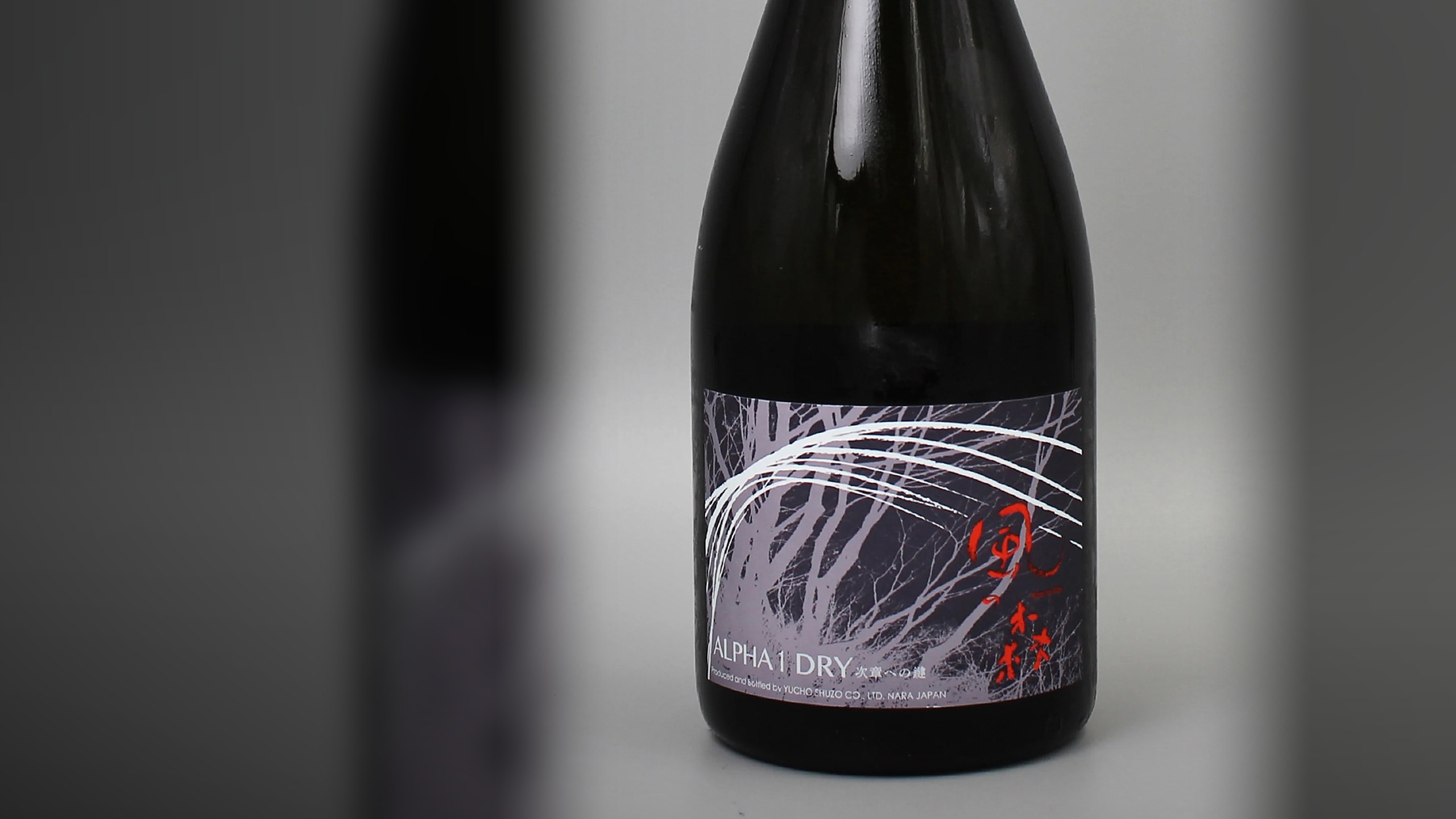
100% unpasteurized, undiluted, unfiltered (muroka nama genshu). Brewed with ultra-hard Kongokatsuragi subterranean water (~214 mg/L) and Kyokai No. 7 yeast, its vigorous fermentation gas is captured intact via Shiborihana and Ikakidori bottling.
Flagship Bottles & Retail (720ml)
Kaze no Mori Akitsuho 657 (~¥1,650), Kaze no Mori ALPHA Type 1 (~¥1,980).
Serving Temp & Glass
6–10°C in a tulip white wine stem.
#2

Narutotai Nama Genshu Mizu to Kome (Honke Matsuura Shuzo, Naruto, Tokushima)

Signature Style
Founded in 1804, Tokushima’s oldest brewery revolutionized modern nama sake with Narutotai Mizu to Kome ("Water & Rice")—an unpasteurized, undiluted micro-carbonated sake sealed inside a sleek, 100% UV-proof, rapid-chilling aluminum bottle, earning top international honors at IWC Official and the Milano Sake Challenge alongside its cult Narutotai LED release using Tokushima’s proprietary LED-irradiated yeast.
Flagship Bottles & Retail (720ml)
Narutotai Nama Genshu Mizu to Kome (~¥1,870), Narutotai LED Junmai Ginjo Nama (~¥2,200).
Serving Temp & Glass
5–8°C (chilled rapidly in an ice bucket) in a thin crystal tumbler or white wine glass.
#3

Ubusuna (Hananoka Shuzo, Nagomi, Kumamoto)

Signature Style
Fine, creamy micro-effervescence born inside Yoshino cedar kioke vats from heirloom Homase and Yamada Nishiki rice—delivering wild mineral energy beloved by natural wine sommeliers.
Flagship Bottles & Retail (720ml)
Ubusuna Yamada Nishiki Ninojo (~¥2,400), Ubusuna Homase Shinojo (~¥3,500).
Serving Temp & Glass
8–12°C in a Champagne flute or aromatic white wine glass.
#4

Kankiku OCEAN99 & Seijitsu (Kankiku Meijo, Sammu, Chiba)

Signature Style
Coastal Chiba freshness bottled immediately after cold fermentation. The limited Seijitsu balances a bright opening prickle with sunlit stone-fruit juiciness and a transparent finish.
Flagship Bottles & Retail (720ml)
Kankiku OCEAN99 Inflight (~¥1,870), Kankiku Seijitsu Junmai Daiginjo (~¥2,200).
Serving Temp & Glass
6–10°C in a Sauvignon Blanc stem.
#5

Tabika Fune-Shibori Nama (Hayakawa Shuzo, Komono, Mie)

Signature Style
Ultra-soft Suzuka mountain water (~25 mg/L) pressed gently in a traditional fune and bottled directly at the press—marrying liquid-silk softness with a delicate sparkle.
Flagship Bottles & Retail (720ml)
Tabika Junmai Ginjo Omachi Fune-Shibori Nama (~¥2,200), Tabika Tokubetsu Junmai Kami no Ho Nama (~¥1,760).
Serving Temp & Glass
8–12°C in a medium-bowled tulip glass.
1,215 Breweries · 2,891 Labels · Neutral Archive
Linked from 1,215 Breweries · 2,891 Labels · 8,673 Reviews

Featured Breweries, Specs & Flavor Balance

Flagship LabelBrewery & RegionSignature Rice & WaterBrewery Profile
KazenomoriYucho Sake Brewery Co., Ltd. (1160 Nakahonmachi, Gose-shi, Nara 639-2216, Japan)Akitsuho, Tsuyuhakaze, Yamadanishiki, Omachi · Deep subterranean water from the Mt. Kongo and Mt. Katsuragi range (hard water, approx. 214 mg/L)Brewery Profile
NarutotaiHonke Matsuura Brewing Co., Ltd. (19 Yanaginomoto, Iketani, Oasa-cho, Naruto City, Tokushima 779-0303, Japan)Tokushima Awa-Ichiba Yamada Nishiki, Omachi, Gohyakumangoku, Tokushima Akisakari · Asan Mountain Range Subterranean Soft WaterBrewery Profile
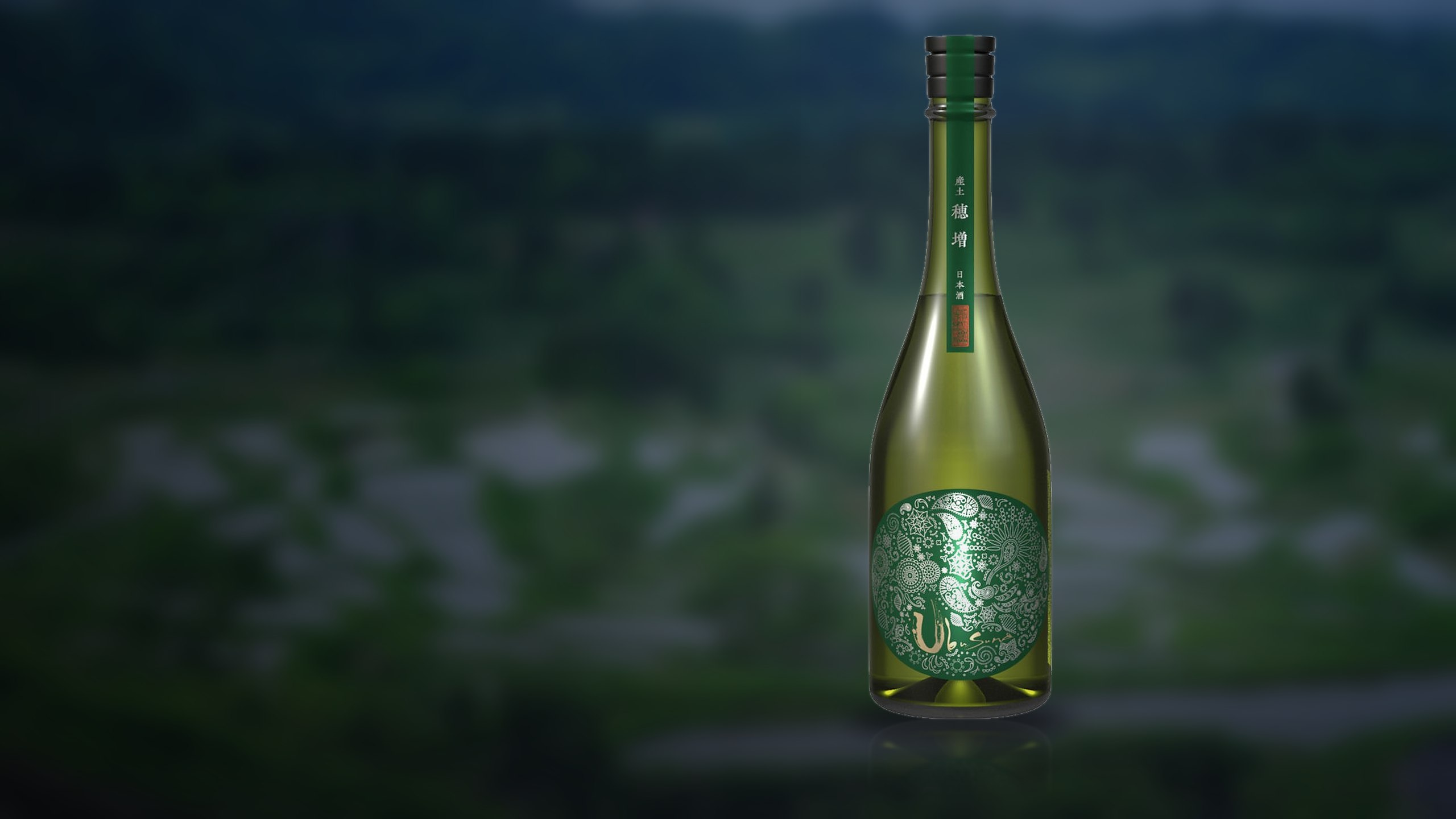
UbusunaHananoka Shuzo Co., Ltd. (2226-2 Nishiyoshiji, Nagomi-machi, Tamana-gun, Kumamoto 861-0906, Japan)Nagomi-machi Natural-Farmed Homase, Higo Kabashiko, Yamada Nishiki · Brewery Shrine Spring Water (Kikuchi River Basin Subterranean Water from the Former Bairin Tenmangu Well)Brewery Profile
TabikaHayakawa Sake Brewery Co. (468 Ojima, Komono-cho, Mie-gun, Mie 510-1323, Japan)Kaminoho, Yamadanishiki, Omachi, Gohyakumangoku · Subsurface water from Mount Shakagatake in the Suzuka Mountains (soft water)Brewery Profile
ShishinosatoMatsuura Sake Brewery Co., Ltd. (O 50 Fujimi-machi, Yamanaka Onsen, Kaga-shi, Ishikawa 922-0121, Japan)Hyogo Yamada Nishiki, Aiyama, Ishikawa Gohyakumangoku, Hyakumangoku no Shiro, Omachi · Sacred Mt. Hakusan & Mt. Yakushi Spring Water (Yamanaka Onsen Ultra-Soft Water)Brewery Profile
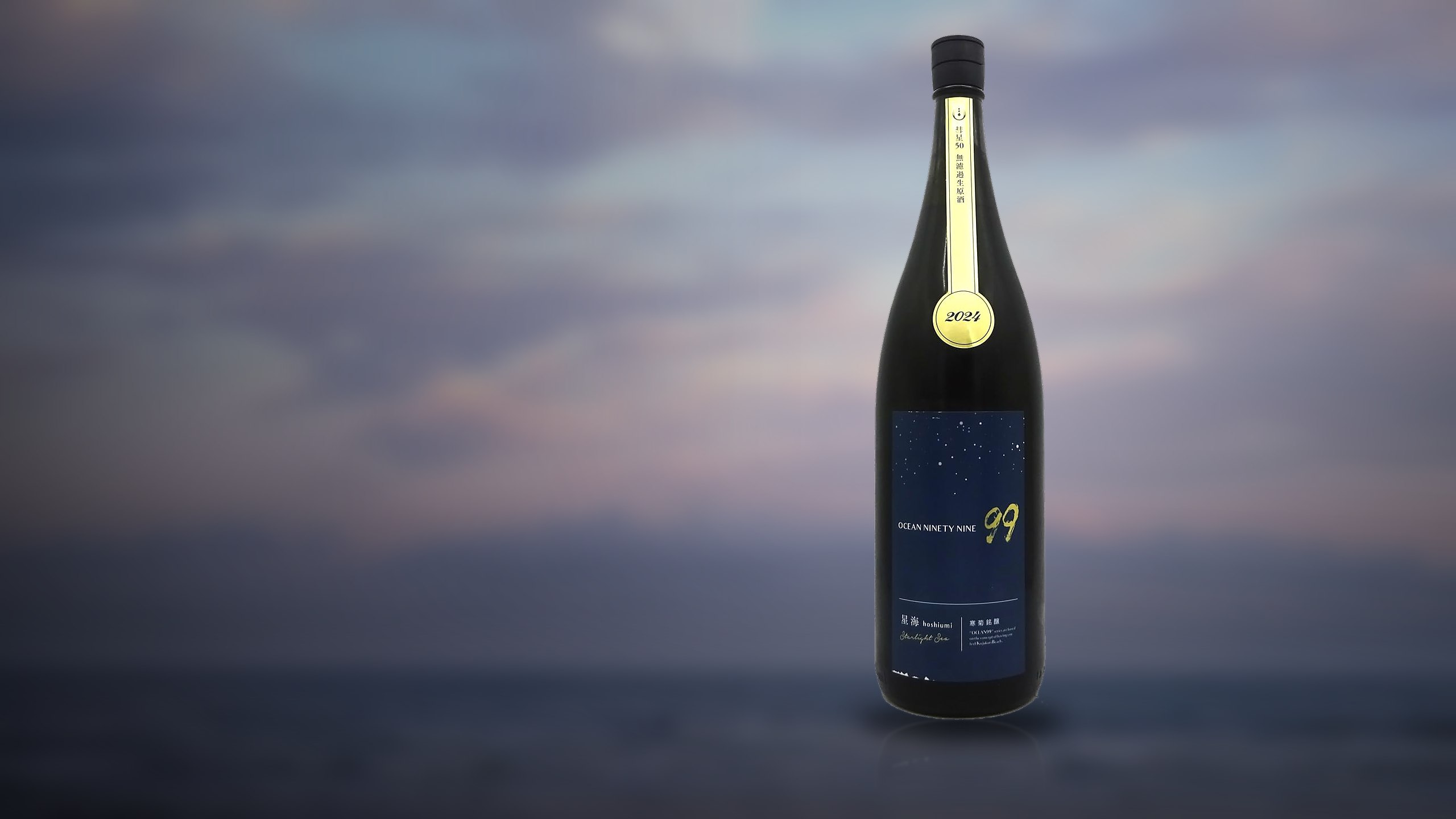
OCEAN99Kankiku Meijo Co., Ltd. (11 Takenosato, Matsuo-machi, Sammu-shi, Chiba 289-1532, Japan)Chiba Fusanomai, Chiba Fusakogane, Yamada Nishiki, Omachi, Ushuhomare · Kujukuri Plain Subterranean Soft Spring Water from the Ancient Persimmon Tree WellBrewery Profile
KeiryuEndo Sake Brewery Co., Ltd. (29 Oaza Suzaka, Suzaka-shi, Nagano 382-0000, Japan)Nagano-grown Miyama Nishiki, Hitogokochi, Sankei Nishiki, and Kinmon Nishiki · Sugadaira Highland (Mount Neko & Mount Azumaya) Subterranean WaterBrewery Profile
KiokeshikomiTerada Honke Co., Ltd. (1964 Kozaki-Honjuku, Kozaki-machi, Katori-gun, Chiba 289-0221, Japan)Pesticide-Free Organic Rice (Miyama Nishiki, Gohyakumangoku, Koshihikari, Kamenoo) · Sacred Forest Subterranean Well Water from Kozaki Shrine GroundsBrewery Profile
NojoFukurokuju Brewery Co., Ltd. (48 Shitamachi, Gojome-machi, Minamiakita-gun, Akita 018-1706, Japan)Gojome Contract-Grown Akita Sakekomachi, Misato Nishiki, Ginnosei, Aiyama, Yamada Nishiki · Mount Taihei & Babame River Subterranean Water (Moderately Hard On-Site Well Water)Brewery Profile
1160 Nakahonmachi, Gose-shi, Nara 639-2216, Japan · Yucho Sake Brewery Co., Ltd. (Est. 1719)
Kazenomoriガス酸味フルーティ
Deep subterranean water from the Mt. Kongo and Mt. Katsuragi range (hard water, approx. 214 mg/L) Akitsuho, Tsuyuhakaze, Yamadanishiki, Omachi Kyokai No. 7, Bodaimoto Indigenous Lactic Acid Bacteria and Yeast

Brewed in Gose City, Nara by 1719-founded Yucho Shuzo, Kaze no Mori unites ancient Muromachi-era Bodaimoto heritage with cutting-edge fermentation science across an all-Muroka Nama Genshu lineup. Fermented with ultra-hard Katsuragi Mountain subsurface water (over 200mg/L hardness) and local Akitsuho rice, its signature micro-effervescence, Muscat and pear aromatics, and chiseled mineral finish captivate diners from sushi counters to Michelin-starred French and Italian tables.

Flavor Balance (1–5 Rice Grains)Shows which flavor direction the balance leans toward (1 to 5 rice grains), never a quality rank or score.
Serving & Glassware:Recommended Temperature: 10–14°C (Cool Cellar) & 42–45°C (Bain-Marie Warmed / Nurukan) / Recommended Glassware: Thin-rimmed white Burgundy or Riedel O Daiginjo wine glass. Right after opening at 10°C, savor the vibrant micro-effervescence and taut lactic/citric tension shaped by Deep subterranean water from the Mt. Kongo and Mt. Katsuragi range (hard water, approx. 214 mg/L); after 15 minutes as it reaches 14°C, multi-dimensional Akitsuho, Tsuyuhakaze, Yamadanishiki, Omachi umami and savory kimoto complexity blossom.
Global Gastronomy Pairings
• Charcoal-grilled Yamato heritage chicken with narazuke sake-lees glaze and Yamato Wagyu shabu-shabu
• Crispy-scaled Jeju tilefish (okdom) and creamy abalone liver (geu) rice porridge risotto
• Pan-roasted Breton blue lobster with Champagne, tarragon, and cultured butter beurre blanc
“Kaze no Mori Akitsuho 657 opens with a lively pop and a ribbon of fine micro-bubbles in the glass: fresh Muscat and green apple aromatics, a juicy burst of rice sweetness, and a taut, stony finish driven by ultra-hard Katsuragi mountain water. Experiencing this level of craftsmanship at an everyday price is nothing short of a miracle.”
Domestic Review · SAKETIME大和の美酒巡礼
“Chobee Yamamoto's work at Yucho Shuzo—bridging 15th-century Nara temple brewing texts with precision low-temperature fermentation—is thrilling. The high-hardness mineral tension and natural effervescence of Kaze no Mori ALPHA and 807 deliver a gastronomic experience unlike anything else in the world of wine or sake.”
Global Sommelier · Vivino / World Sommelier AssociationMaximilian H.
“Opened Kaze no Mori ALPHA 8 alongside Yamadanishiki 807 tonight—807's crystalline purity and mineral grip at 80% polishing defy belief, while the ALPHA series pushes boundaries with every release. Still the #1 bottle that turns friends into lifelong sake lovers.”
SNS Buzz · X (Twitter)@kazenomori_holic
19 Yanaginomoto, Iketani, Oasa-cho, Naruto City, Tokushima 779-0303, Japan · Honke Matsuura Brewing Co., Ltd. (Est. 1804)
Narutotaiトロピカルフルーティ甘味
Asan Mountain Range Subterranean Soft Water Tokushima Awa-Ichiba Yamada Nishiki, Omachi, Gohyakumangoku, Tokushima Akisakari Tokushima LED Dream Yeast & Kyokai Yeast

Founded in 1804 in Naruto, Tokushima, Honke Matsuura Shuzojo is Tokushima's oldest brewery, crafting expressive coastal sake from soft Asan Mountain subterranean water and locally grown Awa-Ichiba Yamada Nishiki rice. Internationally famous after 'Narutotai LED'—brewed with Tokushima's pioneering LED-irradiated yeast—was crowned IWC Champion Sake, the brand shines with tropical lychee and pineapple aromatics balanced by bright, wine-like acidity. Pair it with whirlpool-firmed Naruto sea bream sashimi, tai-shabu hotpot, or fresh seafood spritzed with Tokushima sudachi citrus.

Flavor Balance (1–5 Rice Grains)Shows which flavor direction the balance leans toward (1 to 5 rice grains), never a quality rank or score.
Serving & Glassware:Recommended Temperature: 10–13°C (Chilled / Hanabie to Suzubie) / Recommended Glassware: Thin-rimmed, medium-bowled white wine glass (such as Riedel O Daiginjo). Avoid over-chilling below 6°C so the delicate esters are not muted. Upon pouring, experience crystalline purity from Asan Mountain Range Subterranean Soft Water and lifted orchard-fruit aromatics; after 15 minutes as the glass warms to 14°C, silky Tokushima Awa-Ichiba Yamada Nishiki, Omachi mid-palate umami opens gracefully.
Global Gastronomy Pairings
• Naruto Strait wild sea bream sashimi with fresh Tokushima sudachi & seaweed salt and wakame shabu-shabu
• Jeju silver belt-fish sashimi and delicate pan-fried scallop & cod jeon with citrus soy
• Poached lobster tail and white asparagus warm salad with yuzu-infused citrus hollandaise
“Opened the IWC Champion Sake 'Narutotai LED Junmai Ginjo' alongside their seasonal 'Mizu to Kome' Nama Genshu. The tropical lychee-pineapple nose from LED Yume Yeast and crisp malic acidity are magic with Naruto sea bream carpaccio.”
Domestic Review · SAKETIME / 国内口コミ阿波の美酒探求者
“The brilliance of 'Narutotai LED' that stunned the IWC judging panel remains as vibrant as ever. Tropical fruit aromatics born of LED-bred Tokushima yeast and Awa Yamada Nishiki resolve into a silky, lingering finish.”
Global Sommelier · Vivino / Fine Wine & Sakerecycled_somm_uk (Oliver W.)
“Stopped by the brewery shop in Naruto, Tokushima and tasted 'Narutotai LED' alongside their unpasteurized genshu—so vibrant, fruity, and crisp that I bought bottles for all my wine-loving friends!”
SNS Buzz · X (Twitter) / Reddit r/Sake@naruto_whirlpool_sake
2226-2 Nishiyoshiji, Nagomi-machi, Tamana-gun, Kumamoto 861-0906, Japan · Hananoka Shuzo Co., Ltd. (Est. 1902)
Ubusunaガスシャンパン酸味
Brewery Shrine Spring Water (Kikuchi River Basin Subterranean Water from the Former Bairin Tenmangu Well) Nagomi-machi Natural-Farmed Homase, Higo Kabashiko, Yamada Nishiki Kyokai No. 9 (Kumamoto Yeast) & Indigenous Brewery Yeast

Created in Nagomi, Kumamoto by Kiyotaka Kanda of Hananoka Shuzo to embody 'earth, native ecosystem, and ancestral regenerative agriculture,' Ubusuna stands at the absolute pinnacle of contemporary craft sake. Brewed with pesticide-free local Yamada Nishiki and revived Edo-era heirloom rices (Homase and Kabashiko) using kimoto and wooden vats, its Champagne-like pinpoint mousse and electric orchard-and-yuzu complexity transfix fine-dining tables worldwide.

Flavor Balance (1–5 Rice Grains)Shows which flavor direction the balance leans toward (1 to 5 rice grains), never a quality rank or score.
Serving & Glassware:Recommended Temperature: 10–14°C (Cool Cellar) & 42–45°C (Bain-Marie Warmed / Nurukan) / Recommended Glassware: Thin-rimmed white Burgundy or Riedel O Daiginjo wine glass. Right after opening at 10°C, savor the vibrant micro-effervescence and taut lactic/citric tension shaped by Brewery Shrine Spring Water (Kikuchi River Basin Subterranean Water from the Former Bairin Tenmangu Well); after 15 minutes as it reaches 14°C, multi-dimensional Nagomi-machi Natural-Farmed Homase, Higo Kabashiko, Yamada Nishiki umami and savory kimoto complexity blossom.
Global Gastronomy Pairings
• Charcoal-grilled Kumamoto Akaushi beef steak and Binchotan-roasted Amakusa Daio giant heritage chicken
• Charcoal-seared Hanwoo 1++ brisket point (chadolbagi) paired with aromatic minari and chilled dongchimi radish
• Pan-roasted Breton blue lobster with Champagne, tarragon, and cultured butter beurre blanc
“Miraculously secured Ubusuna Homase 5-Nojo and Yamada Nishiki 2-Nojo. Fine, persistent bubbles carry waves of Japanese citrus, white peach, wild herbs, and living earth minerality—one of the most spine-tingling bottles of my life.”
Domestic Review · SAKETIME / 国内口コミテロワール日本酒探求家
“Encountering Ubusuna gave me the same electric shock as my first glass of Jacques Selosse. The vibrating energy born from regenerative paddies, native microbes, and wooden vats stands shoulder to shoulder with the greatest wines on earth.”
Global Sommelier · Vivino / Global SakeGuillaume Delacroix
“Popped Ubusuna Kabashiko 4-Nojo! To think an heirloom Edo-era Kumamoto rice once praised as the finest in the realm has been revived into something so dewy, aromatic, and transcendent—pure genius from Hananoka Shuzo.”
SNS Buzz · X (Twitter) / Instagram@craft_sake_chronicle
468 Ojima, Komono-cho, Mie-gun, Mie 510-1323, Japan · Hayakawa Sake Brewery Co. (Est. 1915)
Tabika旨味甘味酸味
Subsurface water from Mount Shakagatake in the Suzuka Mountains (soft water) Kaminoho, Yamadanishiki, Omachi, Gohyakumangoku Mie Prefectural Yeast (MK-1, MK-3), Kyokai Yeast

Handcrafted by a tiny family team in Komono, Mie using ultra-soft Mt. Shakagatake snowmelt water and 100% gentle fune (box) pressing, Tabika is celebrated for its pillowy, rounded sweetness. Brewed with local Kaminoho, Omachi, and Yamada Nishiki, its soothing umami and gentle acidity pair beautifully with dashi-steamed clams and seasonal washoku.

Flavor Balance (1–5 Rice Grains)Shows which flavor direction the balance leans toward (1 to 5 rice grains), never a quality rank or score.
Serving & Glassware:Recommended Temperature: 10–13°C (Chilled / Hanabie to Suzubie) / Recommended Glassware: Thin-rimmed, medium-bowled white wine glass (such as Riedel O Daiginjo). Avoid over-chilling below 6°C so the delicate esters are not muted. Upon pouring, experience crystalline purity from Subsurface water from Mount Shakagatake in the Suzuka Mountains (soft water) and lifted orchard-fruit aromatics; after 15 minutes as the glass warms to 14°C, silky Kaminoho, Yamadanishiki, Omachi, Gohyakumangoku mid-palate umami opens gracefully.
Global Gastronomy Pairings
• Ise-Shima spiny lobster sashimi and chilled ginjo-steamed Matoya oysters
• Jeju silver belt-fish sashimi and delicate pan-fried scallop & cod jeon with citrus soy
• Poached lobster tail and white asparagus warm salad with yuzu-infused citrus hollandaise
“Tabika Junmai Ginjo Kaminoho and Omachi Muroka Nama caress the palate like feathers thanks to ultra-soft mountain water and gentle fune pressing, unfolding into warm orchard fruit and sweet rice notes.”
Domestic Review · SAKETIME / 国内口コミ三重地酒コンプリート
“A triumph of small-batch family craftsmanship using 100% traditional fune pressing; its seamless, stress-free texture shines alongside steamed shellfish and white-fish sashimi.”
Global Sommelier · Vivino / Global SakeDaniel Kim
“Across every rice variety, Tabika maintains an unmistakable thread of softness and clarity—especially the seasonal nama releases and boutique shop collaborations.”
SNS Buzz · X (Twitter) / Instagram@suzuka_water_sake
O 50 Fujimi-machi, Yamanaka Onsen, Kaga-shi, Ishikawa 922-0121, Japan · Matsuura Sake Brewery Co., Ltd. (Est. 1772)
Shishinosatoガス辛口酸味
Sacred Mt. Hakusan & Mt. Yakushi Spring Water (Yamanaka Onsen Ultra-Soft Water) Hyogo Yamada Nishiki, Aiyama, Ishikawa Gohyakumangoku, Hyakumangoku no Shiro, Omachi Kanazawa Yeast (Kyokai No. 14 Lineage)

Founded in 1772 in the historic hot-spring town of Yamanaka Onsen—celebrated by poet Matsuo Basho—Shishinosato ('Village of the Lion Dance') is the flagship of Matsuura Sake Brewery, which produces exclusively junmai and junmai ginjo grades. Brewed with ultra-soft spring water from Mount Yakushi, prized Yamadanishiki, Aiyama, Hyakumangoku no Shiro, and Gohyakumangoku rice, and Kanazawa yeast, it is designed as the 'ultimate mealtime sake from the first course to the last.' Its silky texture, lively micro-effervescence, and clean finish pair exquisitely with Kano snow crab, sweet shrimp sashimi, and Kaga kaiseki cuisine.

Flavor Balance (1–5 Rice Grains)Shows which flavor direction the balance leans toward (1 to 5 rice grains), never a quality rank or score.
Serving & Glassware:Recommended Temperature: 8–12°C (Crisp Chilled) or 45–48°C (Jokan Warmed) / Recommended Glassware: Narrow-tulip white wine stem, thin porcelain hirahai cup, or tin (suzu) vessel. Chilled to 9°C, Sacred Mt. Hakusan & Mt. Yakushi Spring Water (Yamanaka Onsen Ultra-Soft Water) delivers razor-sharp mineral precision and a bone-dry finish; as it warms to 13°C—or when heated in a tin carafe to 45°C—savory Hyogo Yamada Nishiki, Aiyama grain character emerges to frame coastal cuisine.
Global Gastronomy Pairings
• Kanazawa gasu-ebi shrimp & Kano snow crab sashimi with warm steamed nodoguro sushi
• Seasonal Korean croaker sashimi & warm pan-seared min-eo jeon with tangy minari salad
• Oysters Rockefeller with herb butter crust and wood-grilled sea bass with fennel & lemon
“Opened Shishinosato Junmai Ginjo Origarami Hon-nama and Kizuna. Feather-light ultra-soft Mount Yakushi water carries refreshing micro-fizz and poised rice umami into a razor-crisp finish—unforgettable alongside Kano snow crab and salt-grilled nodoguro.”
Domestic Review · SAKETIME / 国内口コミ山中温泉鶴仙渓の酒徒
“One of Japan's finest producers of gastronomic table sake. Kanazawa yeast's subtle herbal-green-apple lift and ultra-soft mountain water texture elevate white-fish carpaccio and pan-seared lobster effortlessly.”
Global Sommelier · Vivino / Fine Wine & SakeAlexandre M.
“Enjoying Matsuura Shuzo's Shishinosato Koji Junmai Ginjo chilled and gently warmed! Supple rice umami and a crisp acid finish carry you effortlessly from the first appetizer to the final course.”
SNS Buzz · X (Twitter) / Instagram@hokuriku_sake_table
11 Takenosato, Matsuo-machi, Sammu-shi, Chiba 289-1532, Japan · Kankiku Meijo Co., Ltd. (Est. 1883)
OCEAN99ガスジューシー甘味
Kujukuri Plain Subterranean Soft Spring Water from the Ancient Persimmon Tree Well Chiba Fusanomai, Chiba Fusakogane, Yamada Nishiki, Omachi, Ushuhomare Kyokai Yeasts (No. 1801, No. 901, and Custom-Selected Strains)

A seasonal coastal series inspired by the changing skies and waves of the 99-ri Kujukuri Beach, marked by bright acidity and lively spritz.

Flavor Balance (1–5 Rice Grains)Shows which flavor direction the balance leans toward (1 to 5 rice grains), never a quality rank or score.
Serving & Glassware:Recommended Temperature: 10–13°C (Chilled / Hanabie to Suzubie) / Recommended Glassware: Thin-rimmed, medium-bowled white wine glass (such as Riedel O Daiginjo). Avoid over-chilling below 6°C so the delicate esters are not muted. Upon pouring, experience crystalline purity from Kujukuri Plain Subterranean Soft Spring Water from the Ancient Persimmon Tree Well and lifted orchard-fruit aromatics; after 15 minutes as the glass warms to 14°C, silky Chiba Fusanomai, Chiba Fusakogane, Yamada Nishiki, Omachi, Ushuhomare mid-palate umami opens gracefully.
Global Gastronomy Pairings
• Scalded-skin Katsuura golden eye snapper sashimi and sake-steamed Kujukuri wild clams
• Jeju silver belt-fish sashimi and delicate pan-fried scallop & cod jeon with citrus soy
• Wild sea bream carpaccio with bergamot olive oil, shaved bottarga, and micro herbs
“Opened Kankiku Meijo's signature seasonal series 'OCEAN99' celebrating nearby Kujukuri Beach! From spring's breezy 'Sorami' and summer's 'Nagi' and 'Hoshiumi' to autumn's 'Toumi' and winter's misty 'Hakuginkai,' each bottling delivers lively micro-fizz, juicy fruit sweetness, and a crisp coastal finish.”
Domestic Review · SAKETIME / 国内口コミ総州九十九里の美酒探訪
“Brilliantly captures the coastal spirit of Chiba's 99-ri Kujukuri Beach across the four seasons. Crisp spritz and bright fruitiness shine alongside seafood tacos, crudo, and grilled white fish.”
Global Sommelier · Vivino / Fine Wine & SakeRyan_K_Sommelier
“Collecting every season of Kankiku Meijo's 'OCEAN99'! Coastal artwork and fizzy, fruit-forward refreshment that everyone falls in love with.”
SNS Buzz · X (Twitter) / Instagram@ocean99_kankiku
29 Oaza Suzaka, Suzaka-shi, Nagano 382-0000, Japan · Endo Sake Brewery Co., Ltd. (Est. 1864)
Keiryuリンゴ甘味冷酒
Sugadaira Highland (Mount Neko & Mount Azumaya) Subterranean Water Nagano-grown Miyama Nishiki, Hitogokochi, Sankei Nishiki, and Kinmon Nishiki Nagano Prefectural Yeast (Alps Yeast, Nagano D Yeast) and Kyokai No. 1801 Yeast

Founded in 1864 as official purveyor to the feudal lords of Suzaka Domain, Endo Shuzojo crafts Keiryu using pristine snowmelt subterranean water from the Sugadaira Highlands (Mount Azumaya and Mount Neko) and Nagano-grown Miyama Nishiki, Hitogokochi, and Sankeinishiki rice. Flagship expressions like the multi-award-winning 'Keiryu Asashibori Shuppin Chozoshu' deliver honeyed Shinshu apple aromatics and rich, unpasteurized genshu concentration that shines chilled or over ice. Pair it with Shinshu salmon sashimi, horse-meat basashi, or savory Shinshu miso-grilled dishes.

Flavor Balance (1–5 Rice Grains)Shows which flavor direction the balance leans toward (1 to 5 rice grains), never a quality rank or score.
Serving & Glassware:Recommended Temperature: 10–13°C (Chilled / Hanabie to Suzubie) / Recommended Glassware: Thin-rimmed, medium-bowled white wine glass (such as Riedel O Daiginjo). Avoid over-chilling below 6°C so the delicate esters are not muted. Upon pouring, experience crystalline purity from Sugadaira Highland (Mount Neko & Mount Azumaya) Subterranean Water and lifted orchard-fruit aromatics; after 15 minutes as the glass warms to 14°C, silky Nagano-grown Miyama Nishiki, Hitogokochi mid-palate umami opens gracefully.
Global Gastronomy Pairings
• Thinly sliced Shinshu salmon with fresh Azumino wasabi and crisp mountain foraged sansai tempura
• Jeju silver belt-fish sashimi and delicate pan-fried scallop & cod jeon with citrus soy
• Poached lobster tail and white asparagus warm salad with yuzu-infused citrus hollandaise
“Compared Endo Shuzojo's signature Keiryu Asashibori Shuppin Chozoshu with the Black Label Junmai Ginjo. At nearly 20% ABV, the Asashibori packs a syrupy,baked-apple intensity that stands up effortlessly to rich Shinshu-miso braised beef tendon.”
Domestic Review · SAKETIME / 国内口コミ信州の雪見酒
“Sugadaira highland snowmelt and Nagano Alps yeast create a vivid, orchard-fresh profile. Serving Keiryu Asashibori over a single large ice cube works brilliantly both as an aperitif and alongside blue cheese or dried figs after dinner.”
Global Sommelier · Vivino / Global SakeMatteo B.
“Fell in love with Keiryu at the Suzaka kura festival! Their drip-pressed Shizuku is pure silk, while the active unfiltered Domuroku fizzes like Champagne with bright sweet-tart energy—dangerously good with Shinshu salmon carpaccio.”
SNS Buzz · X (Twitter) / Instagram@nagano_sake_trip
1964 Kozaki-Honjuku, Kozaki-machi, Katori-gun, Chiba 289-0221, Japan · Terada Honke Co., Ltd. (Est. 1673)
Kiokeshikomi熱燗スモーキー燗酒
Sacred Forest Subterranean Well Water from Kozaki Shrine Grounds Pesticide-Free Organic Rice (Miyama Nishiki, Gohyakumangoku, Koshihikari, Kamenoo) Ambient House Wild Yeast & Natural Lactic Acid Bacteria (Zero Added Yeast)

Fermented in traditional cedar vats by natural-sake pioneer Terada Honke, 'Kiokeshikomi' delivers profound earthy depth, smoky wooden-vat complexity, and transcendent warmth when heated. Supported by Sacred Forest Subterranean Well Water from Kozaki Shrine Grounds, it layers firm structure that shines even at hot atsukan temperatures, subtle smoky, earthy complexity, savory richness that blossoms when warmed to reflect the unmistakable terroir of Chiba.

Flavor Balance (1–5 Rice Grains)Shows which flavor direction the balance leans toward (1 to 5 rice grains), never a quality rank or score.
Serving & Glassware:Recommended Temperature: 10–14°C (Cool Cellar) & 42–45°C (Bain-Marie Warmed / Nurukan) / Recommended Glassware: Thin-rimmed white Burgundy or Riedel O Daiginjo wine glass. Right after opening at 10°C, savor the vibrant micro-effervescence and taut lactic/citric tension shaped by Sacred Forest Subterranean Well Water from Kozaki Shrine Grounds; after 15 minutes as it reaches 14°C, multi-dimensional Pesticide-Free Organic Rice (Miyama Nishiki, Gohyakumangoku) umami and savory kimoto complexity blossom.
Global Gastronomy Pairings
• Whole Choshi line-caught kinmedai simmered in soy-mirin and Boso abalone with liver-butter soy
• Charcoal-seared Hanwoo 1++ brisket point (chadolbagi) paired with aromatic minari and chilled dongchimi radish
• Pan-roasted Breton blue lobster with Champagne, tarragon, and cultured butter beurre blanc
“Savored 'Kiokeshikomi' by Terada Honke Co., Ltd. from room temperature up to gentle nurukan: deep umami from pesticide-free Chiba-grown Miyamanishiki, Gohyakumangoku, Koshihikari, Kamenoo, and Asahi and Sacred Forest Subterranean Well Water from Kozaki Shrine Grounds unfolds into firm structure that shines even at hot atsukan temperatures, subtle smoky, earthy complexity, savory richness that blossoms when warmed with remarkable warmth.”
Domestic Review · SAKETIME / 国内口コミ地酒専門店バイヤー評
“Acclaimed by global gastronomy sommeliers for its temperature-versatile depth and firm structure that shines even at hot atsukan temperatures, subtle smoky, earthy complexity, savory richness that blossoms when warmed, pairing beautifully with roasted meats, wild mushrooms, and umami-rich sauces.”
Global Sommelier · Vivino / Global SakeGlobal Sake Sommelier
“Celebrated on Reddit r/Sake and X for its soulful composure in a warm ceramic tokkuri—maintaining impeccable balance even as it cools in the cup.”
SNS Buzz · X (Twitter) / Instagram@craft_sake_journal
48 Shitamachi, Gojome-machi, Minamiakita-gun, Akita 018-1706, Japan · Fukurokuju Brewery Co., Ltd. (Est. 1688)
Nojo食中酒旨味バランス
Mount Taihei & Babame River Subterranean Water (Moderately Hard On-Site Well Water) Gojome Contract-Grown Akita Sakekomachi, Misato Nishiki, Ginnosei, Aiyama, Yamada Nishiki Akita Prefectural Yeasts (Komachi Yeast, AK-1, UT-1)

A terroir-driven sake celebrating the direct partnership between Gojome rice growers and Fukurokuju's brewers. Brewed by Fukurokuju Brewery Co., Ltd. in Akita using Mount Taihei & Babame River Subterranean Water (Moderately Hard On-Site Well Water) and Gojome contract-grown Akita Sakekomachi, Misatonishiki, Ginnosei, Aiyama, and Yamada Nishiki, it brings together versatile, cuisine-elevating table-sake poise, savory, resonant rice umami, harmonious balance of umami, acidity, and finish with memorable poise.

Flavor Balance (1–5 Rice Grains)Shows which flavor direction the balance leans toward (1 to 5 rice grains), never a quality rank or score.
Serving & Glassware:Recommended Temperature: 8–12°C (Crisp Chilled) or 45–48°C (Jokan Warmed) / Recommended Glassware: Narrow-tulip white wine stem, thin porcelain hirahai cup, or tin (suzu) vessel. Chilled to 9°C, Mount Taihei & Babame River Subterranean Water (Moderately Hard On-Site Well Water) delivers razor-sharp mineral precision and a bone-dry finish; as it warms to 13°C—or when heated in a tin carafe to 45°C—savory Gojome Contract-Grown Akita Sakekomachi, Misato Nishiki grain character emerges to frame coastal cuisine.
Global Gastronomy Pairings
• Kelp-cured Oga Peninsula wild sea bream and chilled Akita junsai water-shield in dashi gelee
• Seasonal Korean croaker sashimi & warm pan-seared min-eo jeon with tangy minari salad
• Mediterranean-style Acqua Pazza of line-caught white fish poached with clams, capers, and olives
“Tasted 'Nojo' by Fukurokuju Brewery Co., Ltd.: opening with the pure touch of Mount Taihei & Babame River Subterranean Water (Moderately Hard On-Site Well Water), it reveals savory layers from Gojome contract-grown Akita Sakekomachi, Misatonishiki, Ginnosei, Aiyama, and Yamada Nishiki and versatile, cuisine-elevating table-sake poise, savory, resonant rice umami, harmonious balance of umami, acidity, and finish before finishing with crisp precision.”
Domestic Review · SAKETIME / 国内口コミ地酒専門店バイヤー評
“Highly rated on global sake platforms for its poised structure shaped by Mount Taihei & Babame River Subterranean Water (Moderately Hard On-Site Well Water) in Akita, offering versatile, cuisine-elevating table-sake poise, savory, resonant rice umami, harmonious balance of umami, acidity, and finish that pairs seamlessly with sushi, sashimi, and contemporary cuisine.”
Global Sommelier · Vivino / Global SakeGlobal Sake Sommelier
“Loved on X and Instagram for its dynamic temperature evolution—showing crisp mineral clarity when chilled and generous Gojome contract-grown Akita Sakekomachi, Misatonishiki, Ginnosei, Aiyama, and Yamada Nishiki umami as it warms.”
SNS Buzz · X (Twitter) / Instagram@craft_sake_journal

Recommended Pairing

Fresh Raw Oysters with Sudachi Citrus & Olive Oil
Natural micro-bubbles and crisp malic acid lift creamy oyster salinity without metallic clash
Seared Wagyu / Hanwoo Beef Tartare with Truffle Oil
Fine fermentation CO2 scrubs rich beef fat and egg yolk clean after every bite
SakeStream
A neutral global sake editorial archive and database documenting 1,215 breweries, 2,891 labels, brewing water & rice provenance, and 8,673 verified tasting records without proprietary ranking tiers.
Weekly Sake Dispatch

Weekly Sake & Tasting Dispatch

Curated seasonal releases, sub-zero arrivals, and tasting city guides across global editions.
ArticlesBreweries