Why Hananoka Shuzo’s "Ubusuna" refuses to disclose rice polishing ratios—and the dramatic project to resurrect Edo-era Higo heirloom rice varieties "Homase" and "Kabashiko."
1. Why "Ubusuna" Refuses to Disclose Rice Polishing Ratios
Breaking Free from the Modern Obsession with Low Polish Numbers
For decades, the sake industry has treated the rice polishing ratio (seimai buai—how much of the rice grain is milled away) as the ultimate yardstick of quality and prestige. Conventional brewing doctrine holds that proteins and lipids concentrated in the outer layers of the grain cause off-flavors, and that milling rice down to 50%, 35%, or 23% is the surest path to refinement.
At Hananoka Shuzo in Nagomi-machi, Kumamoto Prefecture, sixth-generation owner Kiyotaka Kanda made a radical decision with Ubusuna: he abolished rice polishing ratios and legal grade classifications (such as Junmai Daiginjo) from every label. When rice is grown via pesticide-free, fertilizer-free natural farming in symbiosis with soil-dwelling mycorrhizal fungi, the outer bran and aleurone layers hold the very essence of the land’s minerality and vital energy. Milling those layers away simply to chase a lower number would erase the terroir itself.
"You do not drink a percentage number. We want drinkers to experience which paddy the rice came from, which soil microbes nourished its roots, and the sheer life force of the grain itself." — Kiyotaka Kanda (6th-Generation Owner, Hananoka Shuzo)
2. "The Finest Rice Under Heaven" — Resurrecting Edo Heirloom Varieties Homase & Kabashiko
Homase (穂増): The Legendary Two-Grain-Cluster Rice Reborn from a Handful of Seeds
During the Edo period, one rice variety commanded the highest price at Osaka’s Dojima Rice Exchange and was celebrated as "the finest rice under heaven": Higo’s indigenous Homase (穂増). Growing as tall as a standing human (~150cm), Homase easily lodges (falls over) when fed chemical fertilizers, causing it to vanish completely during postwar agricultural modernization.
Kanda and local natural-farming pioneers obtained a mere handful of preserved seeds from an agricultural research station and spent years multiplying them in pesticide-free paddies along the Kikuchi River. While modern rice varieties bear roughly seven grains per primary branch, heirloom Homase bears only two grains per branchlet (2粒穂). Yields are less than half of modern rice, but each grain packs extraordinary mineral density and savory energy.
Kabashiko (香子): The Fragrant Ancient Heirloom of Higo
Following the revival of Homase, Hananoka Shuzo resurrected an even rarer Higo heirloom variety: Kabashiko (香子). True to its name ("fragrant child"), Kabashiko releases a captivating natural perfume across the paddies at harvest time. In the glass, it imparts mystical notes of white blossoms, wild herbs, sandalwood, and ripe orchard fruit.
| Ubusuna’s 3 Rice Varieties Compared | Origin & Varietal Identity | Agronomic Traits (Kikuchi River Basin) | Flavor & Textural Profile in Sake | Rarity & Lineup Role |
|---|---|---|---|---|
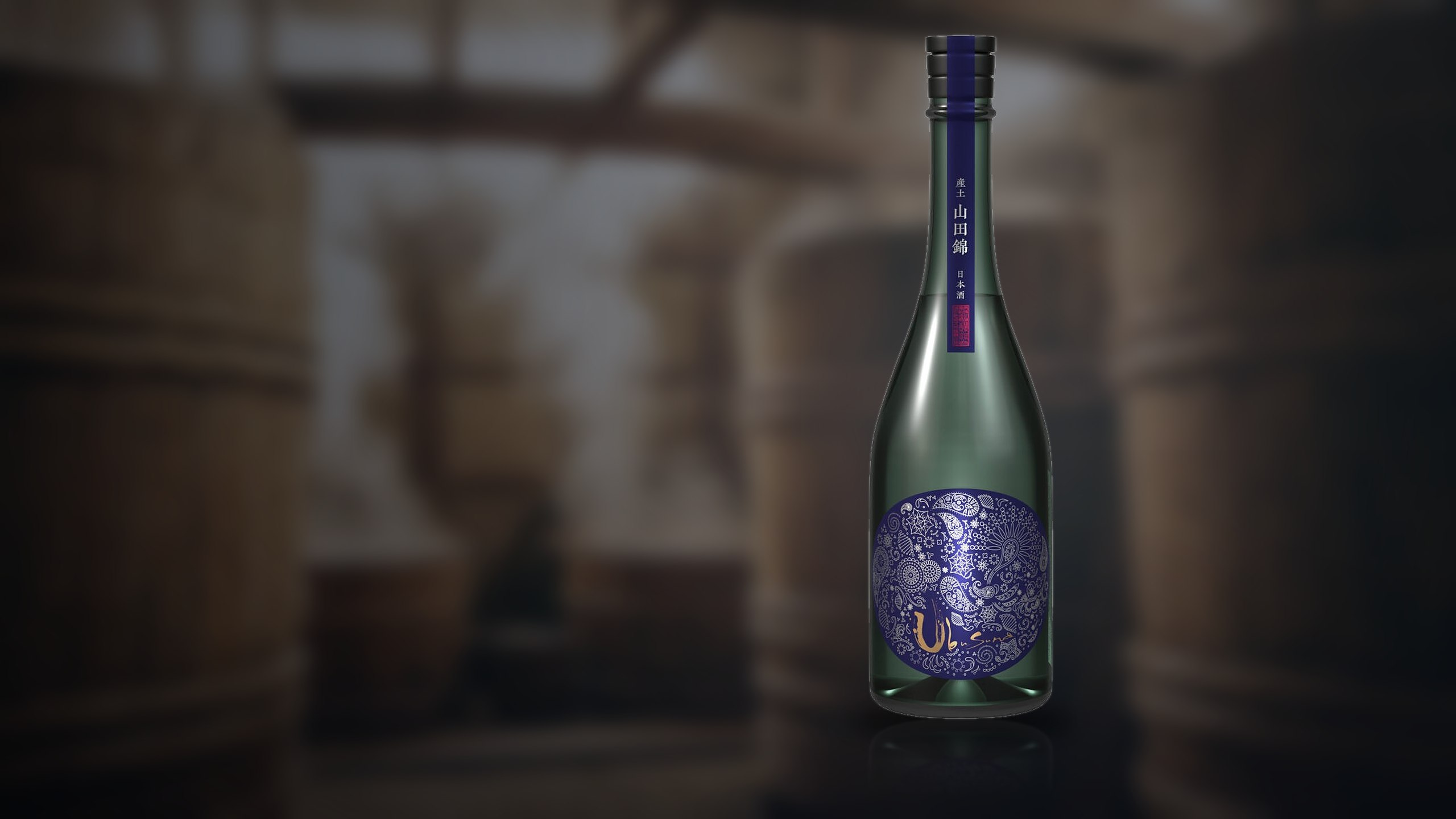
| ① Yamada Nishiki (Kikuchi Basin) | Classic king of sake rice (1936) | Grown by dedicated local contract farmers | Bright Shine Muscat, pear, and crystalline acidity | Flagship entry showcasing Ubusuna’s signature vibrancy |
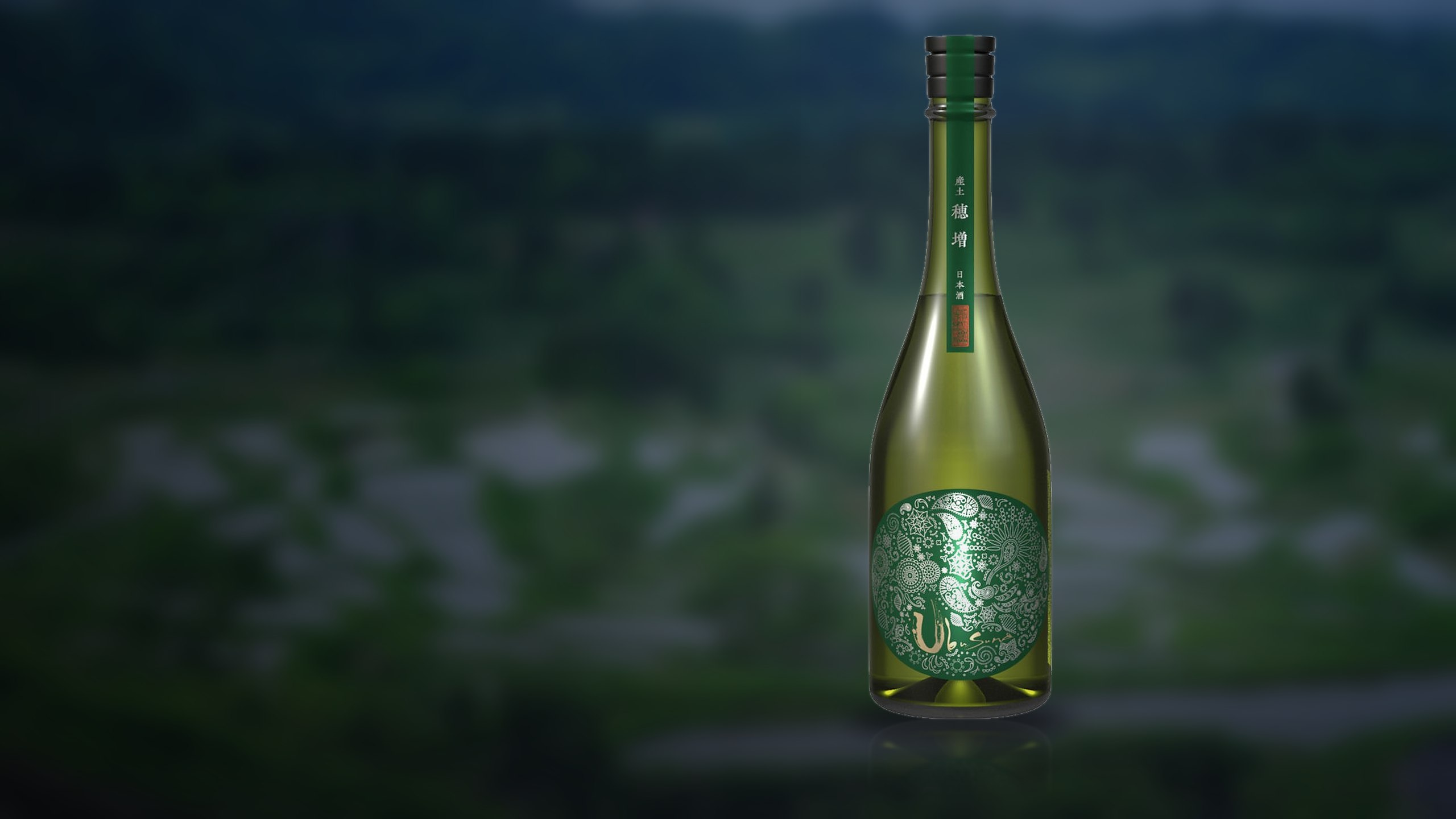
| ② Homase (穂増 · Edo Heirloom) | Edo-era "Finest Rice Under Heaven" | ~150cm tall · 2-grain clusters · natural farming | Deep earth minerality, wild umami structure, long savory finish | The spiritual heart of the Ubusuna project |
| ③ Kabashiko (香子 · Edo Heirloom) | Ancient aromatic Higo landrace | Ultra-low yield · natural farming · wooden-vat kimoto | White flowers, wild herbs, exotic spice, and layered complexity | Ultra-allocated micro-cuvée produced in tiny quantities |
3. Decoding the "Nojo (農醸)" Classification & The Future of Sake
What "Four Nojo" to "Six Nojo" Means on the Bottle
Instead of a polish ratio, Ubusuna labels display a classification ranging from Two Nojo (二農醸) to Six Nojo (六農醸). This indicates how many of the brewery’s six core agricultural and brewing pillars are united in that bottle: (1) Kikuchi River Basin Rice, (2) Pesticide-Free Natural Farming, (3) Indigenous Heirloom Variety, (4) Traditional *Kimoto* Starter, (5) Wooden-Vat (*Kioke*) Fermentation, and (6) Ambient Yeast (No Added Yeast).
Toward a World Where Sake is Chosen by Land and Seed, Not Numbers
Served chilled at 8–10°C, Ubusuna sparkles with Champagne-like micro-effervescence and juicy fruit; as it warms toward 15°C in a burgundy glass, the ancient soul of Homase and Kabashiko unfolds in waves of savory minerality. By proving that heirloom seed and living soil matter far more than industrial milling percentages, Ubusuna has opened a new chapter in global gastronomy.
Featured Breweries, Specs & Flavor Balance
Created in Nagomi, Kumamoto by Kiyotaka Kanda of Hananoka Shuzo to embody 'earth, native ecosystem, and ancestral regenerative agriculture,' Ubusuna stands at the absolute pinnacle of contemporary craft sake. Brewed with pesticide-free local Yamada Nishiki and revived Edo-era heirloom rices (Homase and Kabashiko) using kimoto and wooden vats, its Champagne-like pinpoint mousse and electric orchard-and-yuzu complexity transfix fine-dining tables worldwide.
Recommended Pairing
Weekly Sake & Tasting Dispatch
Curated seasonal releases, sub-zero arrivals, and tasting city guides across global editions.