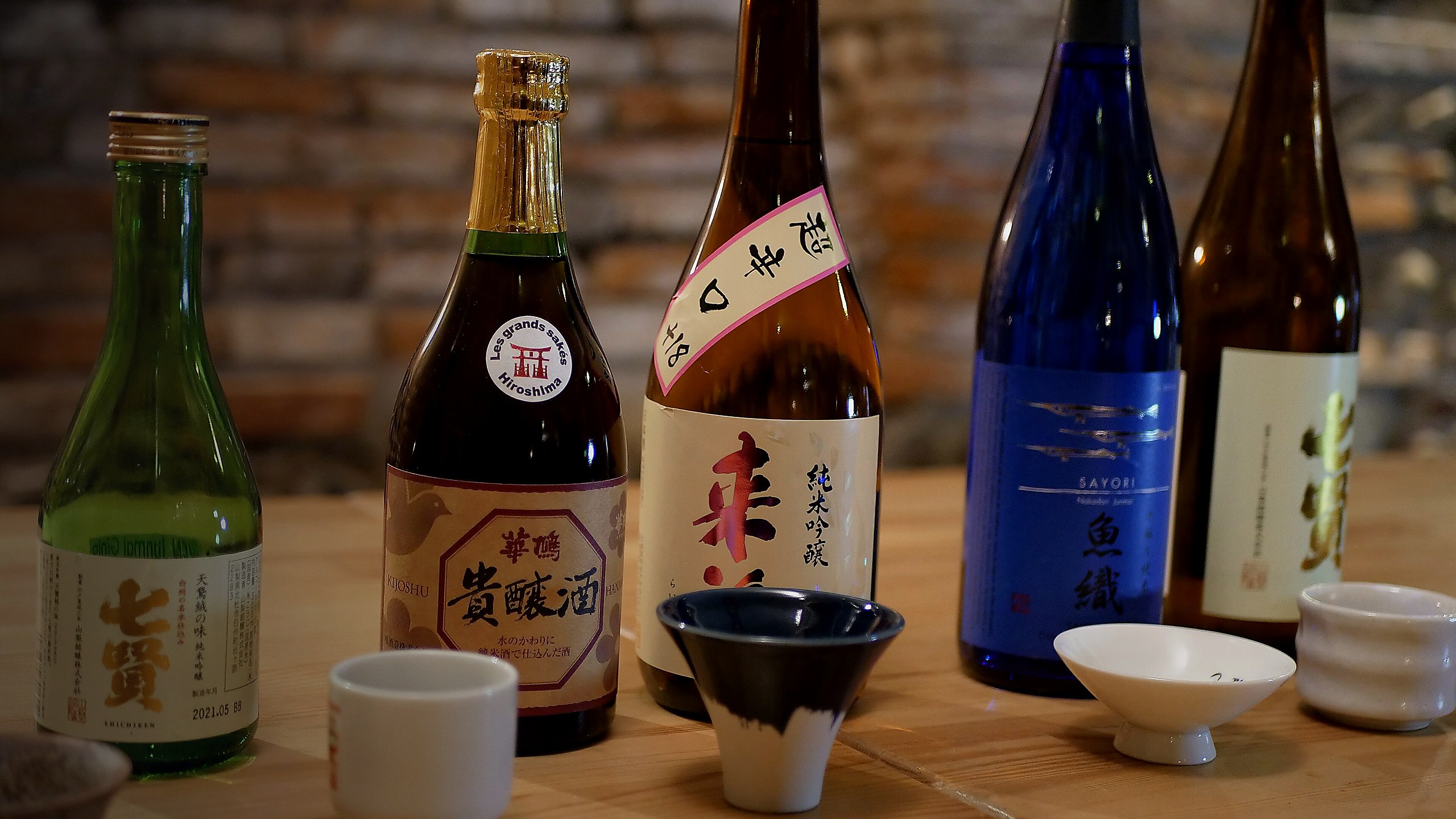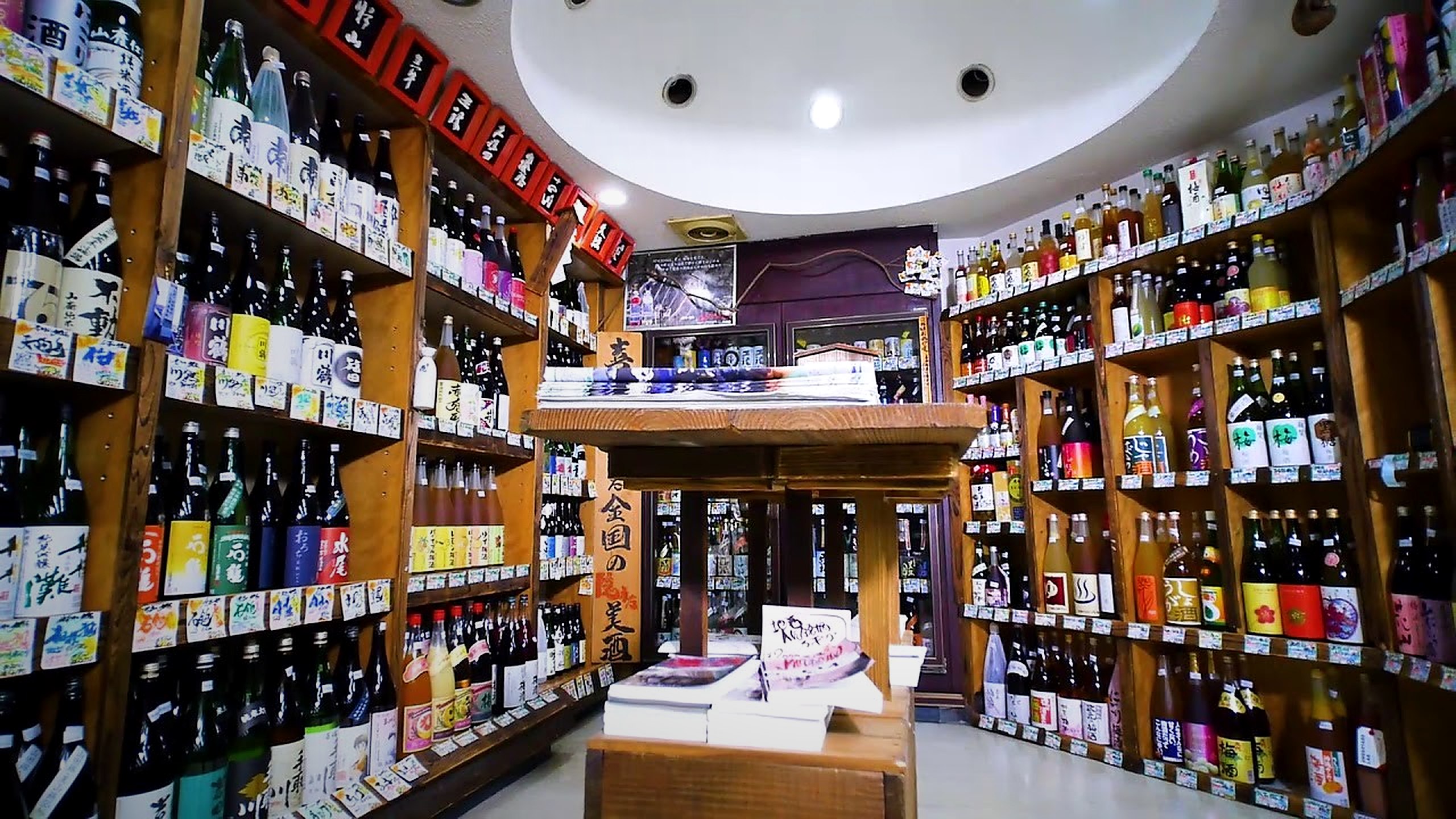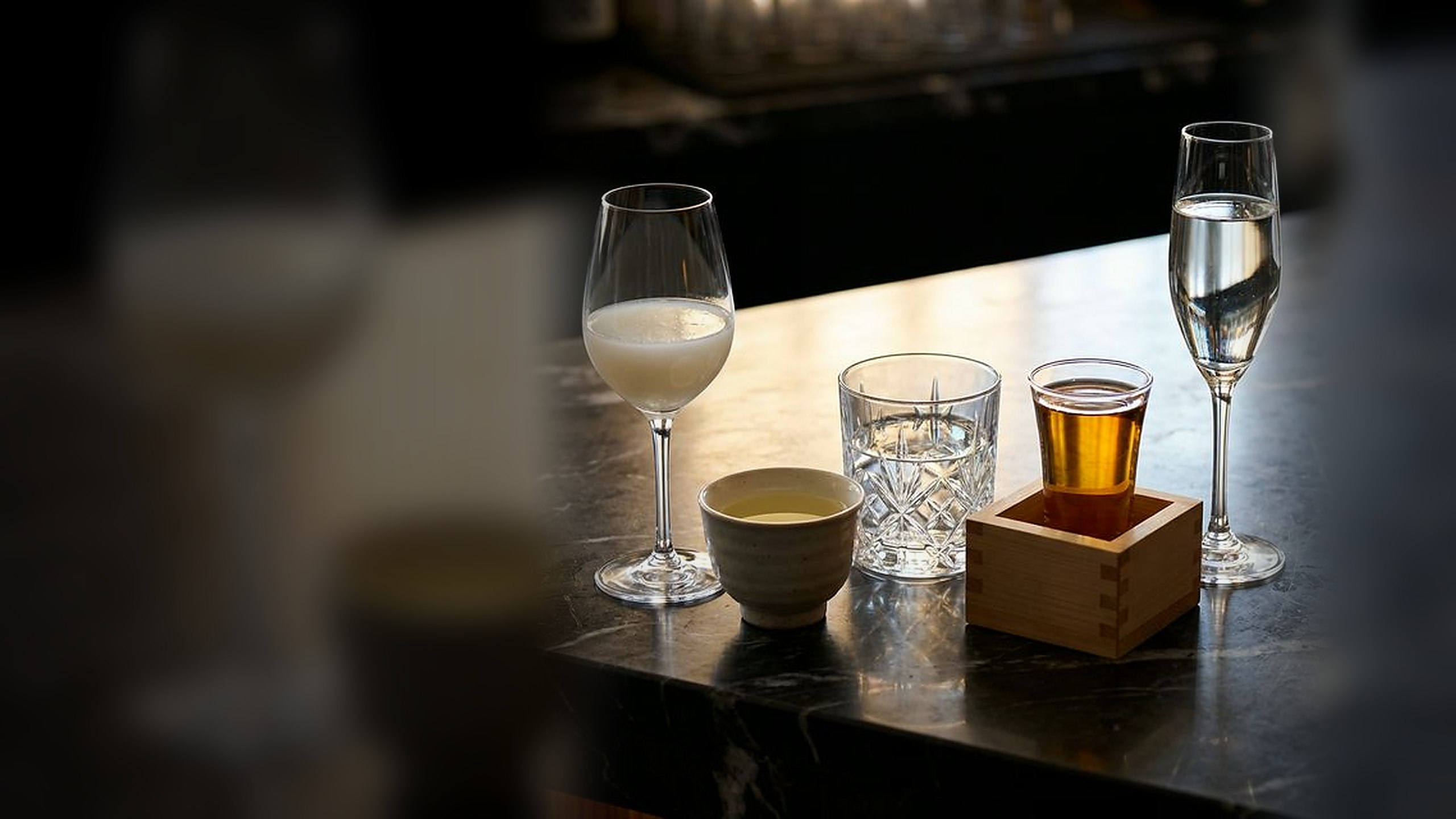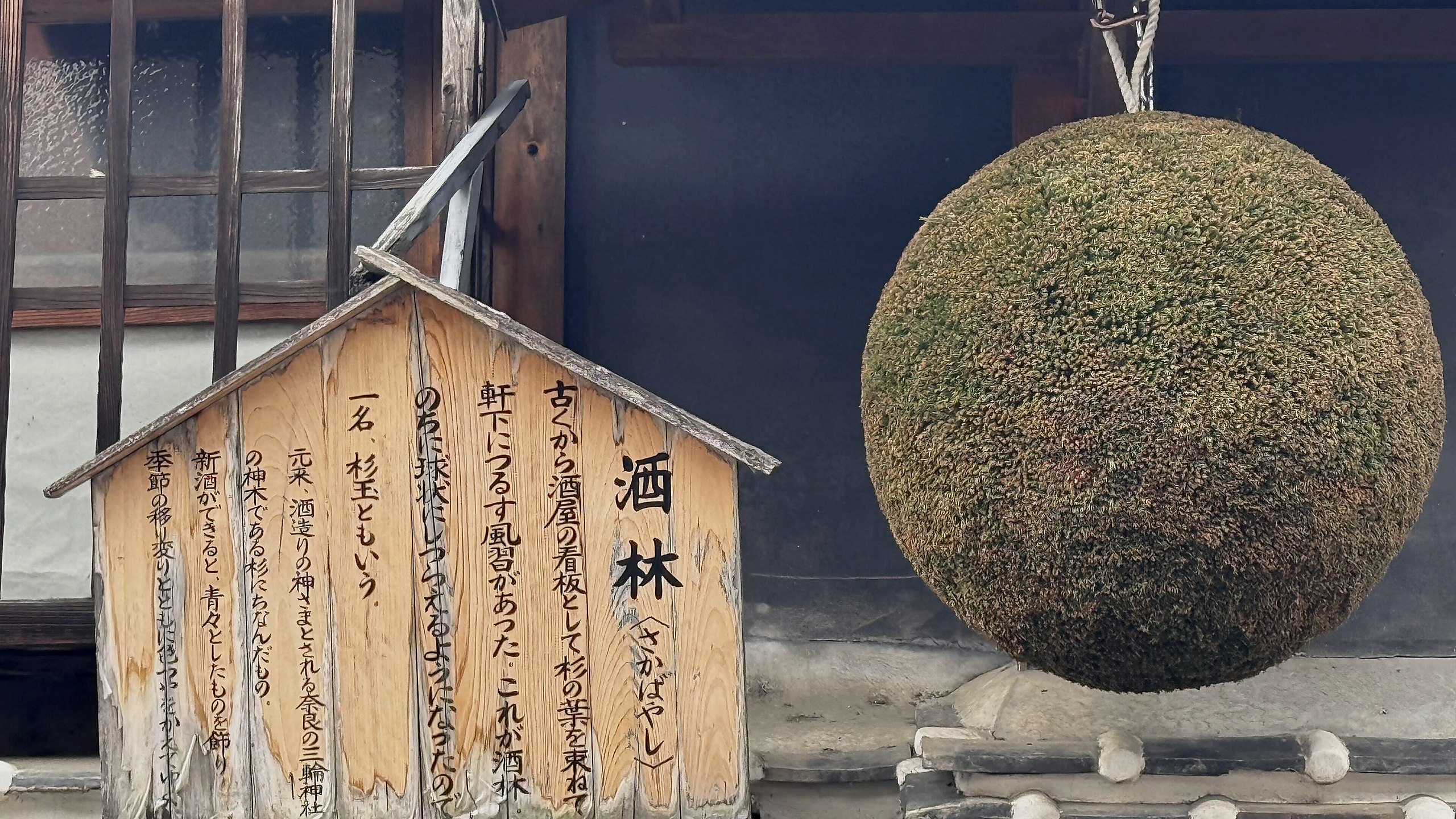
A clear, culturally respectful guide for global hospitality buyers and curious guests explaining sake ingredients, UNESCO-recognized koji fermentation, and truly zero-alcohol koji rice drinks such as Amazake.
Why Koji Fermentation Matters Across Global Luxury Hospitality
Following the December 2024 UNESCO Intangible Cultural Heritage recognition of Japan’s traditional koji-based sake craftsmanship, hospitality directors from Dubai and Doha to London and Singapore increasingly ask two distinct questions: (1) What exactly are sake’s ingredients and parallel fermentation mechanics? and (2) How can non-alcoholic *koji* rice beverages offer authentic Japanese fermentation complexity for guests who do not consume alcohol?
Clear Distinction: Zero-Alcohol Koji Amazake vs. Traditional Fermented Sake
To ensure total clarity across diverse culinary and cultural settings—including luxury hotel lounges and alcohol-free fine dining—below is the exact microbiological boundary between the two drinks:
| Attribute | Rice Koji Amazake (Non-Alcoholic) | Traditional Sake (Nihonshu / Alcohol) |
|---|---|---|
| Microorganism Used | Only *Koji* mold (*Aspergillus oryzae*) | *Koji* mold (saccharification) + Sake yeast (ethanol fermentation) |
| Ethanol / ABV | 0.00% ABV (no alcoholic yeast added) (Distinguish strictly from lees-based saké-kasu amazake) | Typically 12%–17% ABV (generated naturally via yeast fermentation) |
| Origin of Flavor | Koji amylase converts rice starch into gentle natural glucose, while protease releases soothing amino acids | Yeast transforms glucose into ethanol, aromatics, lactic/succinic acids, and layered umami |
| Hospitality Role | Zero-proof tasting menus, wellness hospitality, Halal-conscious culinary pairings | Licensed restaurant sommelier service alongside regional and international cuisines |
Important Procurement Specification: In Japan, two products share the name amazake: (1) Kome-Koji Amazake, made strictly from steamed rice, rice koji, and water (0.0% alcohol), and (2) Sake-Kasu Amazake, made by dissolving pressed sake lees (which may contain trace ethanol). For zero-proof or Halal-sensitive programs, always verify producer documentation confirming 100% rice *koji*, 0.00% ethanol, zero *sake-kasu*, and segregated bottling lines.
Zero-Proof Gastronomy & Balanced Flavor Profiling
Modern artisanal producers are also pairing traditional yellow koji with white *koji* (*Aspergillus luchuensis mut. kawachii*)—famous for naturally generating crisp citric acid—to craft vibrant 0.0% carbonated *koji* pairings for raw seafood, grilled vegetables, and delicate desserts.
Meanwhile, across our neutral 1,215-brewery archive for licensed hospitality buyers, SakeStream avoids subjective letter grades and expresses every bottle’s sensory equilibrium using a 1-to-5 Rice-Grain Balance (Aroma, Umami, Acidity, Crispness, Transparency), allowing chefs and sommeliers worldwide to match liquid architecture with local ingredients transparently and respectfully.
Recommended Pairing
Weekly Sake & Tasting Dispatch
Curated seasonal releases, sub-zero arrivals, and tasting city guides across global editions.