Decoding the most coveted phrase on modern sake labels: Muroka Nama Genshu. Plus a masterclass on pressing fractions—Arabashiri, Nakadori, and Seme—and how they shape texture.
What Does "Muroka Nama Genshu" Actually Mean?
Most conventional sake undergoes three post-pressing stabilization steps before bottling: 1. Activated charcoal filtration (removing color and wild flavor compounds), 2. Double pasteurization (*hiire*) at 60–65°C, and 3. Water dilution (*warimizu*) to adjust alcohol from ~17% down to ~15% ABV.
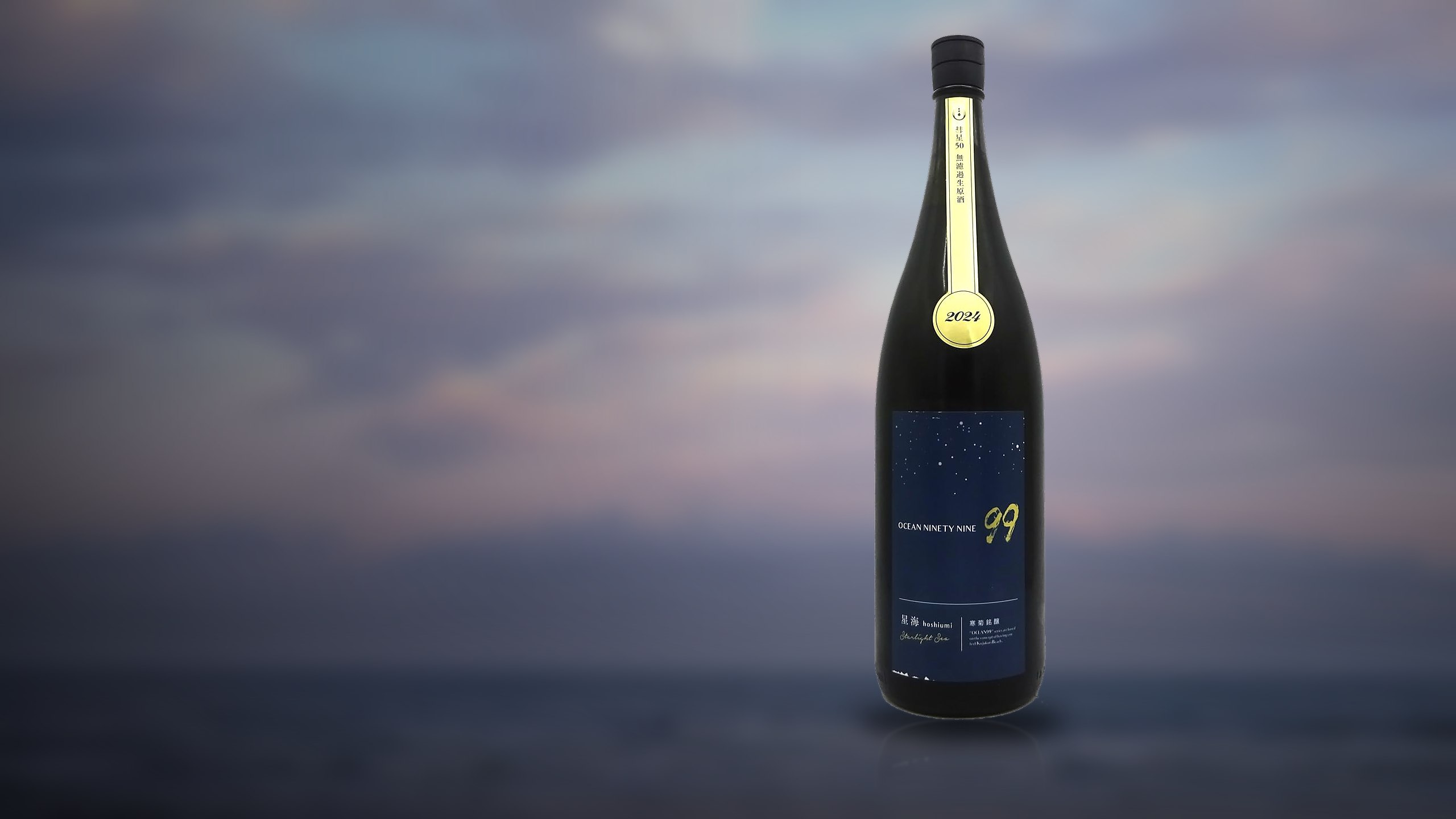
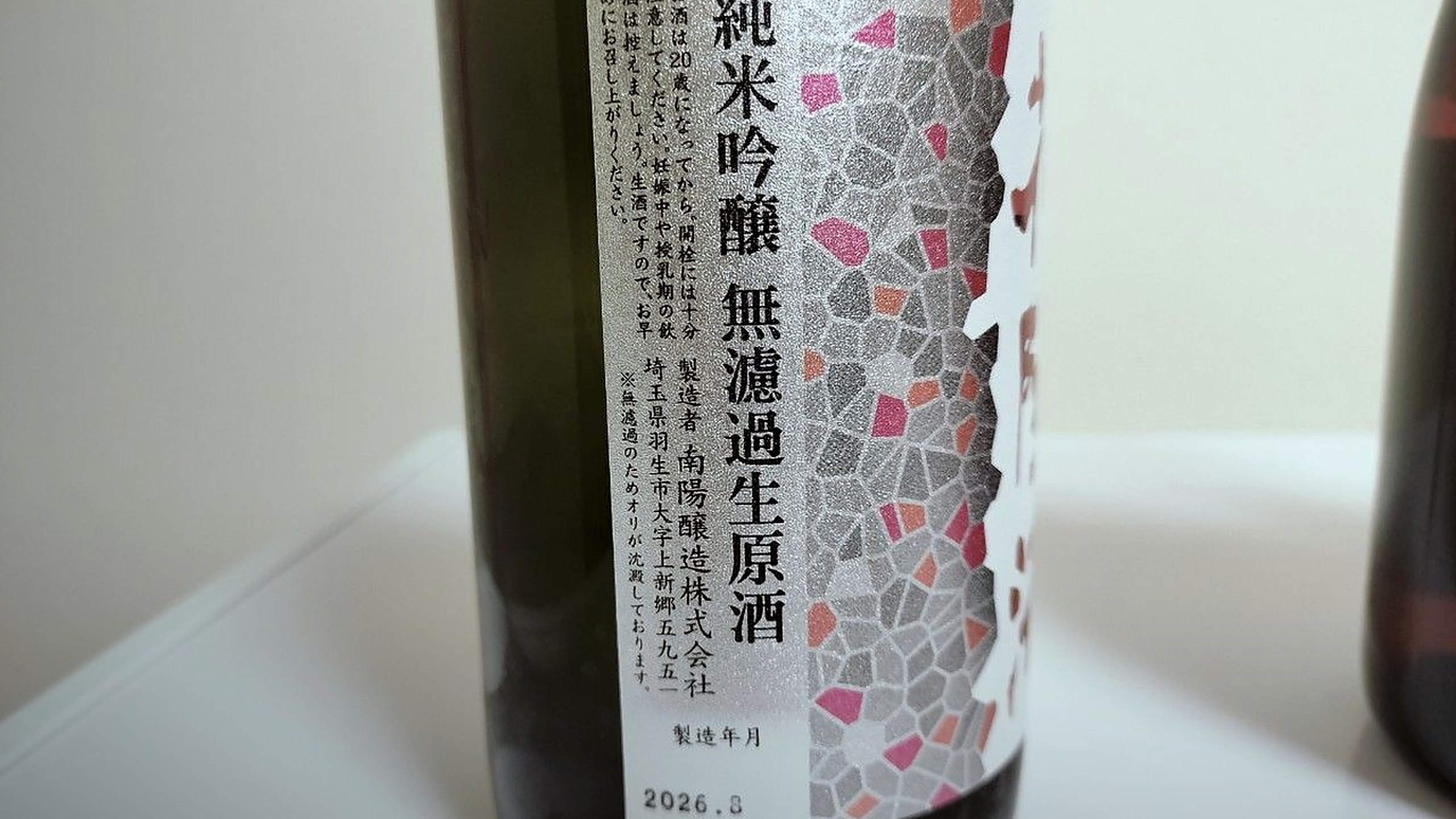
Muroka Nama Genshu (無濾過生原酒) is sake that bypasses all three steps—delivering the raw, unaltered liquid exactly as it flows from the press inside the brewery cellar. Ever since Fukushima’s Hiroki Shuzo Honten ignited a nationwide sensation in 1999 with Hiroki Tokubetsu Junmai Muroka Nama Genshu, icons such as Nara’s Kaze no Mori (Yucho Shuzo) and Shinomine (Chiyo Shuzo) as well as Saga’s Nabeshima New Moon have turned unpasteurized genshu into the rallying cry of modern craft sake:
| Pressing Term | Extraction Stage / Definition | Effervescence & Aroma | Palate Architecture & Pairing | Benchmark Examples |
|---|---|---|---|---|
| Arabashiri (荒走り) | Free-run first fraction before mechanical pressure | Lively CO2 spritz & wild young esters | Brisk acid & electric energy (Oysters, crudo) | Nabeshima Arabashiri, Hiroki Kasumizake |
| Nakadori (中取り) | Heart of the run (middle 30–40%) under gentle pressure | Zero off-notes; poised floral/orchard nose | Seamless balance & silkiness (Aged sushi, sashimi) | Jikon Nakadori, Kokuryu, Masuizumi, Kankiku |
| Seme (責め) | Final press extracted under higher pressure | Earthy, savory & deeply concentrated | Full-bodied umami; excels warmed (Charcoal grill, miso) | Shinomine Seme, Kidoizumi, Kenbishi |
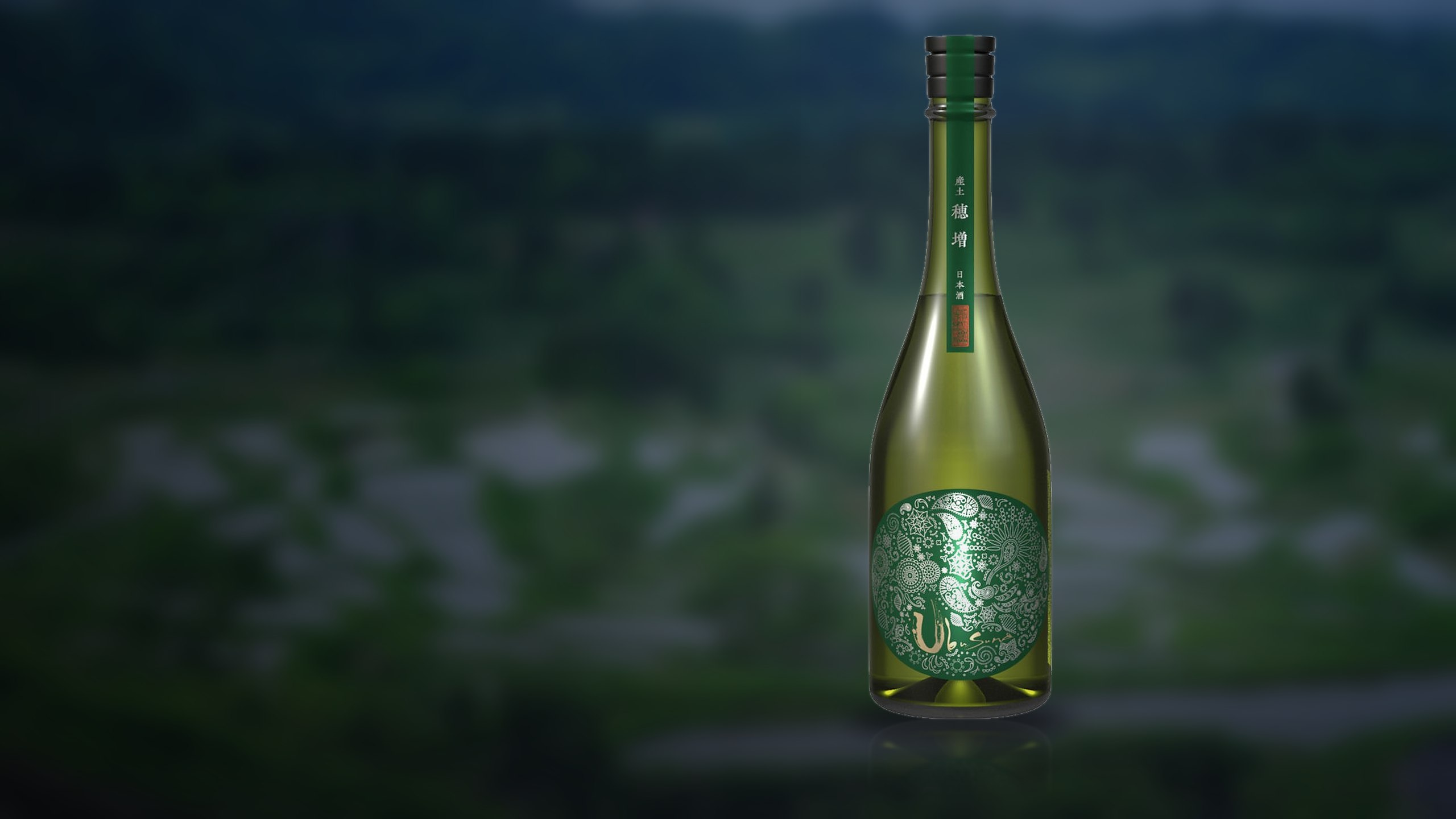
| Jikagumi (直汲み) | Bottled directly from the press spout without tank transfer | Maximum dissolved natural CO2 prickle | Crisp, vibrant attack & clean cut (Tempura, starters) | Kaze no Mori (Ikaki-dori), Ubusuna, Shinshu Kirei |
| Funa-shibori (槽搾り) | Cloth mash bags pressed slowly in a traditional box (fune) | Pure, oxidation-free delicate aromatics | Featherlight, zero-bitterness silk (Kaiseki, dashi) | Tabika (100% Funa-shibori), Daishichi, Masuizumi |
The Three Pressing Fractions: Arabashiri, Nakadori & Seme
Even within a single fermentation tank, the flavor of sake changes dramatically from the beginning of pressing (joso) to the end:
Arabashiri (荒走り — "First Run")
Nakadori / Nakagumi (中取り — "Heart of the Run")
Seme (責め — "Final Press")
Bonus Terminology: Jikagumi & Funa-Shibori
"Understanding when to pour an electric Muroka Nama Genshu (Hiroki, Kaze no Mori, Shinomine) versus a silk-textured, once-pasteurized Hiire (Tabika, Gensai, Kokuryu, Masuizumi) is the hallmark of a great sake sommelier." — SakeStream Tasting Lab
Featured Breweries, Specs & Flavor Balance
| Flagship Label | Brewery & Region | Signature Rice & Water | Brewery Profile |
|---|---|---|---|
| Hiroki | Hiroki Shuzo Honten Co., Ltd. (Ko 3574 Shichuniban, Aizubange-machi, Kawanuma-gun, Fukushima 969-6543, Japan) | Yamadanishiki, Gohyakumangoku, Omachi, Fukunoka, Yumenoka · Subsurface snowmelt water from the Mt. Iide range in the Aizu Basin (soft water) | Brewery Profile |
| Kazenomori | Yucho Sake Brewery Co., Ltd. (1160 Nakahonmachi, Gose-shi, Nara 639-2216, Japan) | Akitsuho, Tsuyuhakaze, Yamadanishiki, Omachi · Deep subterranean water from the Mt. Kongo and Mt. Katsuragi range (hard water, approx. 214 mg/L) | Brewery Profile |
| Shinomine | Chiyo Sake Brewery Co., Ltd. (621 Kujira, Gose-shi, Nara 639-2312, Japan) | Yamadanishiki, Omachi, Aiyama, Isenishiki, Kamenoo, Akitsuho · Deep subsurface water from the Mt. Katsuragi range (soft to medium-soft water) | Brewery Profile |
| Nabeshima | Fukuchiyo Shuzo (1244-1 Hamamachi, Kashima-shi, Saga 849-1322, Japan) | Yamada Nishiki, Omachi, Aiyama, Gohyakumangoku, Saganohana, and Kitashizuku · Pure subterranean soft-to-medium-soft water from the Mt. Tara mountain range | Brewery Profile |
| Kioku | Yamazaki & Co. (Sonnoh Kuramoto) (57 Kakita, Nishihazu-cho, Nishio-shi, Aichi 444-0703, Japan) | Aichi-grown Yumesansui, Yumeginga, Yamada Nishiki · Subterranean water from the Mt. Sangane range (soft water) | Brewery Profile |
| Mimurosugi | Imanishi Sake Brewery Co., Ltd. (510 Miwa, Sakurai-shi, Nara 633-0001, Japan) | Tsuyuhakaze, Yamadanishiki, Omachi · Subsurface water from sacred Mt. Miwa (medium-soft water) | Brewery Profile |
| Kokuryu | Kokuryu Sake Brewing Corporation (1-38 Matsuoka-Kasuga, Eiheiji-cho, Yoshida-gun, Fukui 910-1133, Japan) | Hyogo Tojo Yamada Nishiki, Fukui Sakahomare, Gohyakumangoku, Koshinoshizuku · Mt. Hakusan Range & Kuzuryu River Subterranean Soft Water | Brewery Profile |
| Masuizumi | Masuda Sake Brewery Co., Ltd. (269 Higashi-Iwasemachi, Toyama-shi, Toyama 931-8358, Japan) | Hyogo Special-A Yamada Nishiki, Toyama Oyamanishiki, Gohyakumangoku, Tominoka · Tateyama Mountain Range Snowmelt Subterranean Soft Water | Brewery Profile |
| Jikon | Kiyasho Sake Brewery Co., Ltd. (314-1 Honmachi, Nabari-shi, Mie 518-0726, Japan) | Yamadanishiki, Aiyama, Omachi, Hattannishiki, Senbonnishiki · Subsurface water from the Nunobiki mountain range (brewery well water, soft water) | Brewery Profile |
| Tabika | Hayakawa Sake Brewery Co. (468 Ojima, Komono-cho, Mie-gun, Mie 510-1323, Japan) | Kaminoho, Yamadanishiki, Omachi, Gohyakumangoku · Subsurface water from Mount Shakagatake in the Suzuka Mountains (soft water) | Brewery Profile |
Named 'Droplets of Joy Flying Forth,' 9th-generation brewer Kenji Hiroki ignited Japan's unfiltered unpasteurized (muroka nama genshu) boom and propelled Fukushima to national acclaim. Combining polished Yamadanishiki for mid-palate depth and Gohyakumangoku for crisp structure, it delivers fresh lychee and pear aromatics with vibrant acidity that pairs effortlessly with seasonal sashimi and charcoal-grilled yakitori.
Brewed in Gose City, Nara by 1719-founded Yucho Shuzo, Kaze no Mori unites ancient Muromachi-era Bodaimoto heritage with cutting-edge fermentation science across an all-Muroka Nama Genshu lineup. Fermented with ultra-hard Katsuragi Mountain subsurface water (over 200mg/L hardness) and local Akitsuho rice, its signature micro-effervescence, Muscat and pear aromatics, and chiseled mineral finish captivate diners from sushi counters to Michelin-starred French and Italian tables.
Crafted since 1873 in Kujira, Gose City by Master Brewer Tetsuya Sakai using Katsuragi Mountain subsurface water and an extraordinary roster of rice varieties (Omachi, Aiyama, Yamadanishiki, Isenishiki, Kame no O), Shinomine is celebrated for its crystalline acidity. Crisp green apple, white grape, and citrus notes meet translucent umami and a laser-clean finish that elevate crudo, tempura, sushi, and herb-driven Western dishes.
Created in 1998 by master brewer Naoki Iimori in the historic post town of Hizen-Hamashuku, Saga, and crowned 2011 IWC Champion Sake, Nabeshima stands among the pinnacle of Japanese sake. Woven from pure Mt. Tara subterranean water and elite Yamada Nishiki, Aiyama, and Omachi rice, its lush orchard aromatics, satiny sweetness, and pinpoint effervescence pair sublimely with Saga Wagyu and fine kaiseki.
Created by 6th-generation kuramoto-toji Masayuki Yamazaki at Yamazaki Goshi Kaisha in Nishio, Aichi, 'Kioku' weaves the brewery's iconic 'Oku' heritage with memories of his late father into a modern low-ABV vision. Fermented slowly at low temperatures with soft Mt. Sangane water and Aichi-grown Yumesansui and Yumeginga rice, this 14% ABV genshu delivers crystalline white peach and Shine Muscat aromatics with brisk, juicy acidity. Pair it with Mikawa Bay sea bream carpaccio, unagi shirayaki (white-grilled eel) from Isshiki, or seasonal fruit shira-ae.
Founded in 1660 at the foot of sacred Mount Miwa and Omiwa Shrine—revered as the ancestral deity of Japanese sake brewing—Imanishi Shuzo crafts Mimurosugi using shrine-mountain subterranean water and locally grown Yamadanishiki and Tsuyuhakaze rice. Luminous lychee, white peach, and Muscat aromas flow into a crystal-clear, juicy palate with a brisk finish that pairs effortlessly with sushi, sashimi, and delicate crudo.
Founded in 1804 in Eiheiji, Fukui, Kokuryu pioneered commercial luxury Daiginjo in Japan, uniting soft Kuzuryu River water with prized Tojo Yamada Nishiki and local Sakahomare rice. Legendary bottlings like Ishidaya, Nizaemon, Shizuku, and Hachijuhachigo deliver crystalline elegance that elevates Echizen snow crab and haute kaiseki.
Famed as the master of Ginjo in historic Iwase, Toyama, Masuizumi blends classic mastery with avant-garde releases like Burgundy-barrel-aged Link 8888 and Platinum Kotobuki. Rich Yamada Nishiki depth and layered elegance allow it to pair equally well with Toyama seafood, aged meats, and classic French sauces.
Named after the Zen phrase 'living fully in the present moment,' Jikon by 6th-generation brewer Tadakatsu Onishi in Nabari, Mie stands at the absolute summit of modern sake. Radiant muscat and white peach aromatics, crystalline Nunobiki mountain soft-water sweetness, and electric acidity achieve a golden-ratio balance that enchants on its own or alongside Matsusaka Wagyu and fine sushi.
Handcrafted by a tiny family team in Komono, Mie using ultra-soft Mt. Shakagatake snowmelt water and 100% gentle fune (box) pressing, Tabika is celebrated for its pillowy, rounded sweetness. Brewed with local Kaminoho, Omachi, and Yamada Nishiki, its soothing umami and gentle acidity pair beautifully with dashi-steamed clams and seasonal washoku.
Recommended Pairing
Weekly Sake & Tasting Dispatch
Curated seasonal releases, sub-zero arrivals, and tasting city guides across global editions.