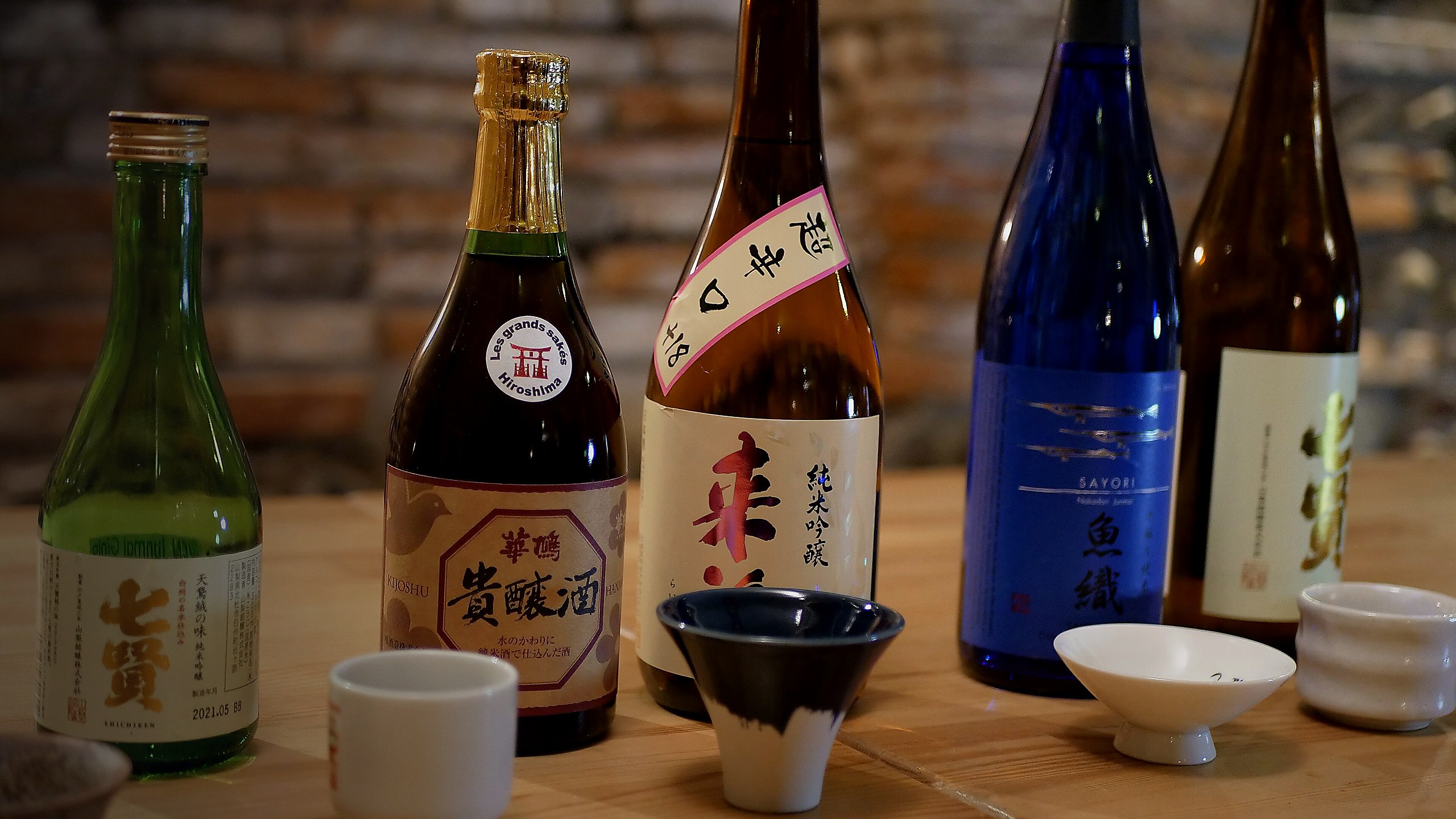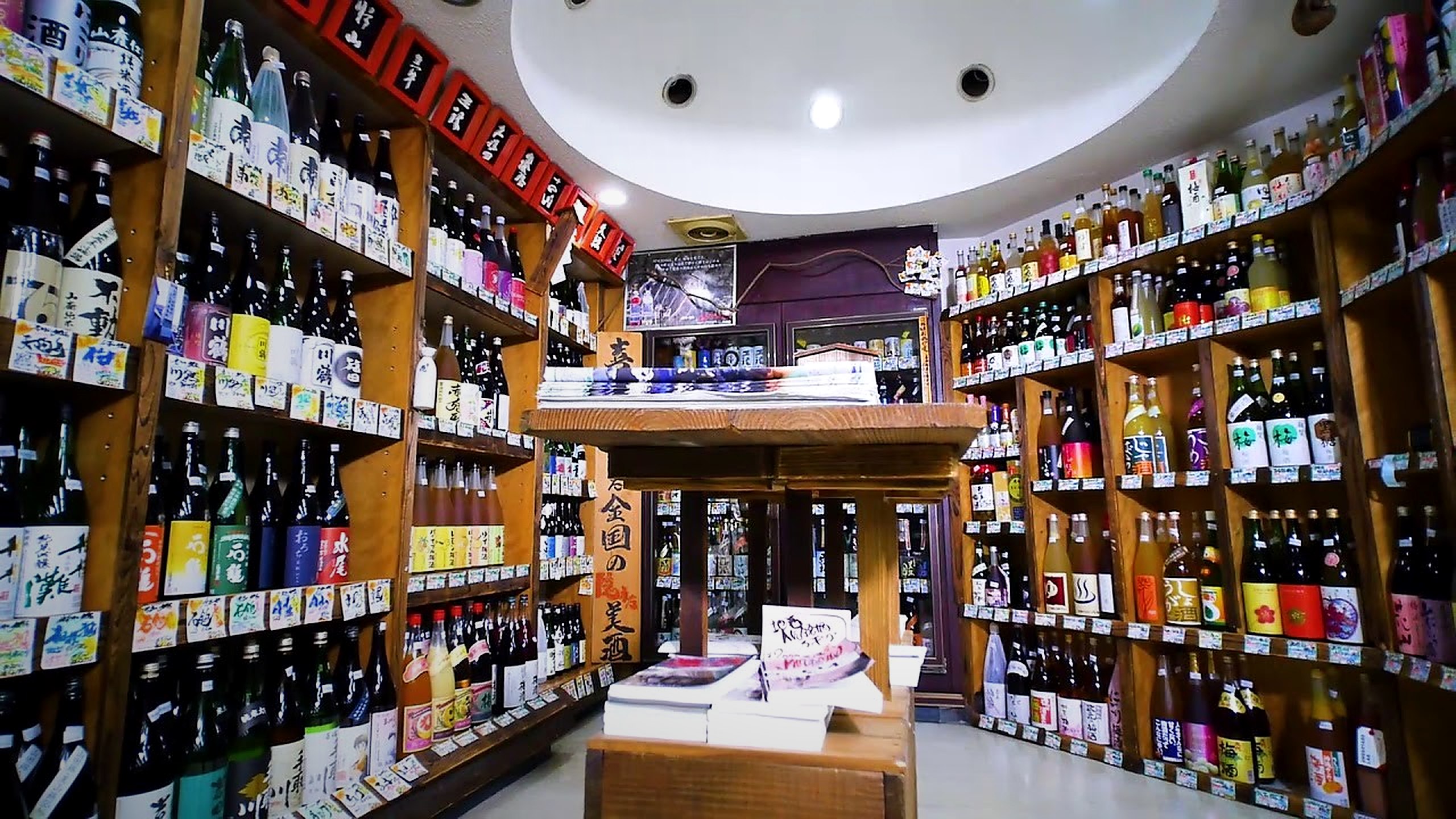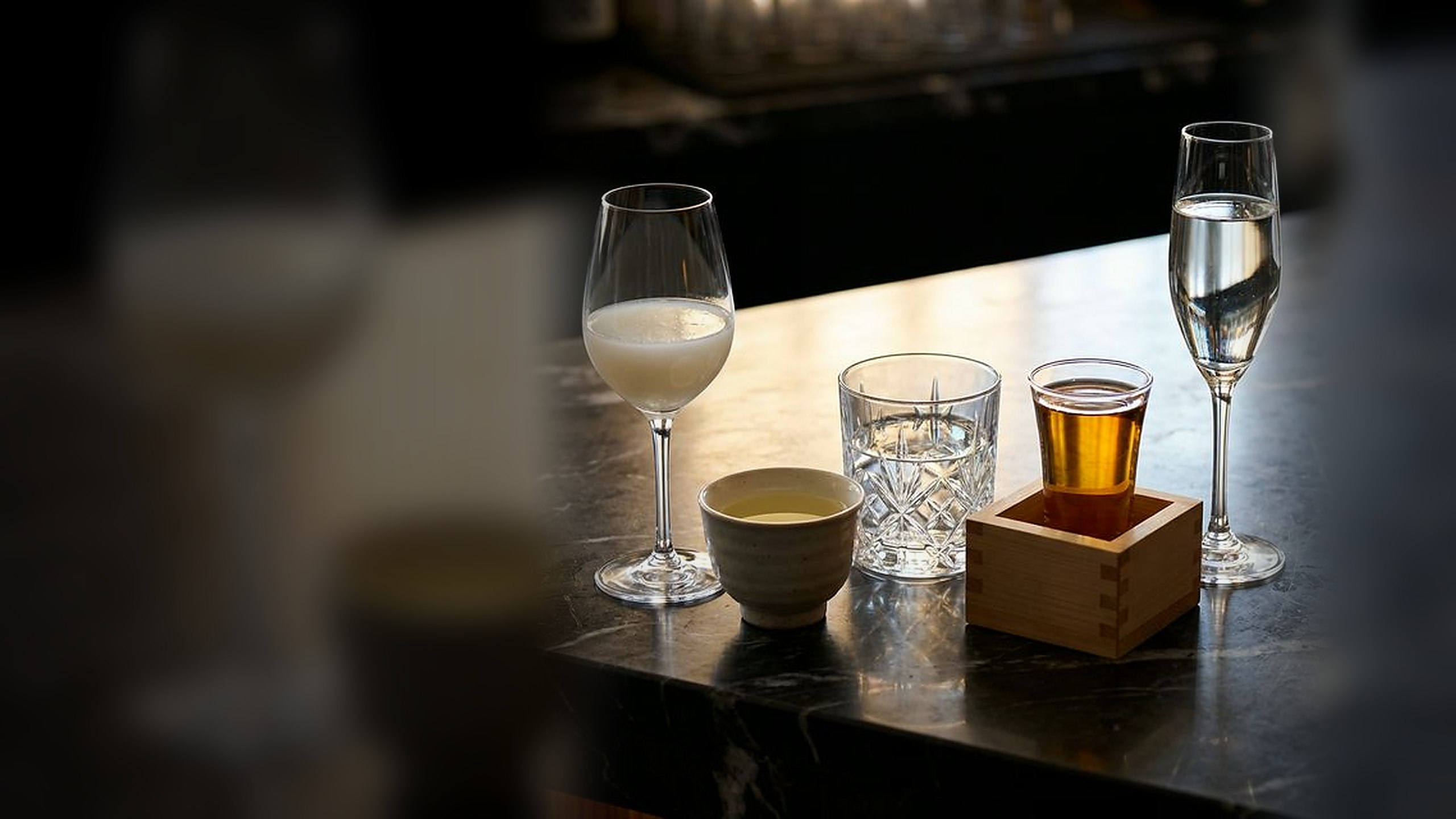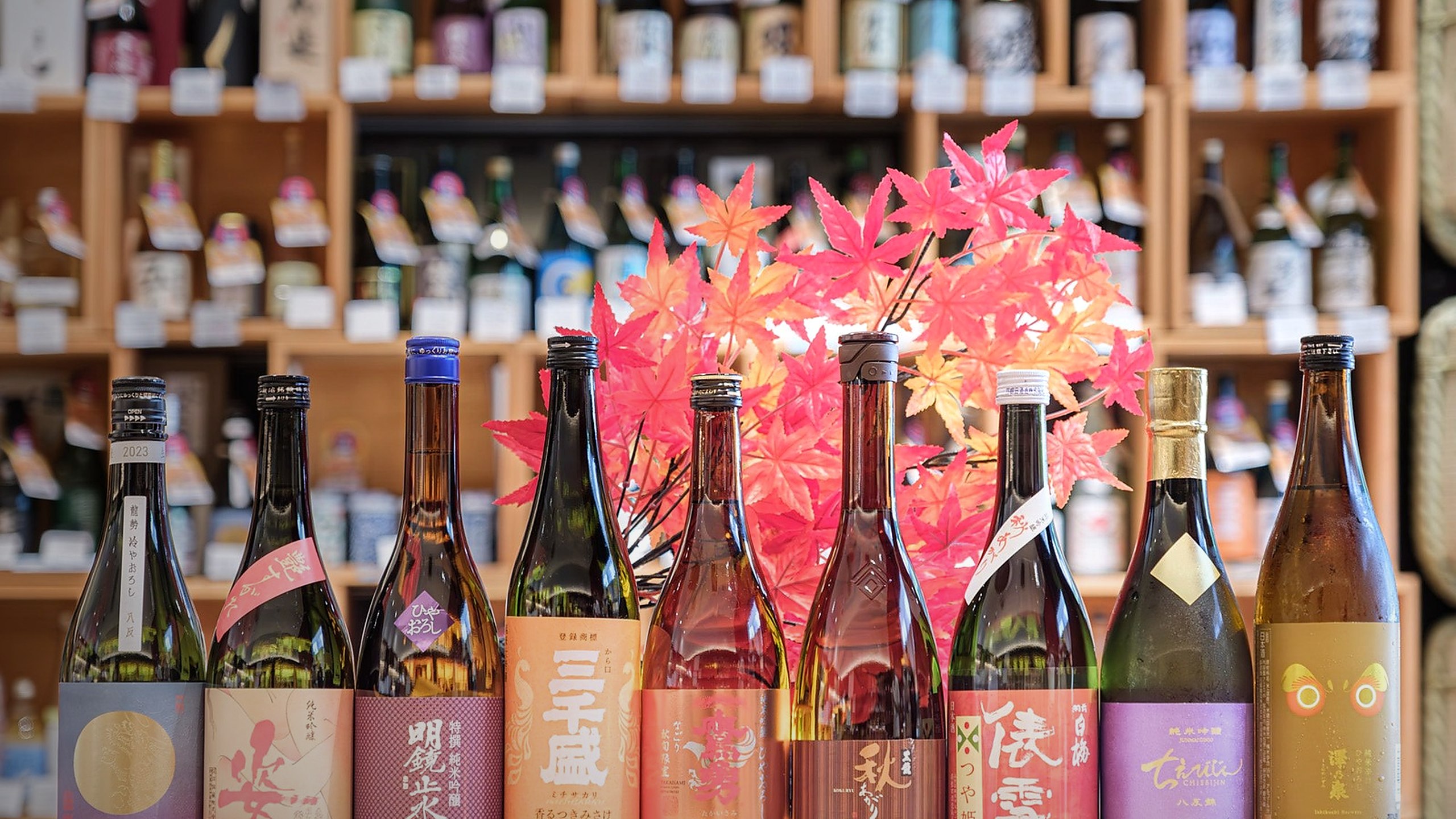
While wine releases a single vintage once a year, Japanese jizake breweries release four distinct seasonal expressions from the same autumn rice harvest across all 12 months. Here is the insider guide to reading Japan’s seasonal sake calendar.
Why the Japanese Sake Year Begins on July 1 (Brewery Year / BY)
Step inside a top Tokyo specialty shop like Koyama Shoten or a leading sake dining room in Seoul, and you will notice something remarkable: the bottles lining the refrigerated cases change completely every four to six weeks.
Unlike wine—which is bottled and released as a single annual vintage—Japanese craft sake operates on its own liturgical calendar known as the Brewery Year (BY / 酒造年度), running from July 1 through June 30 of the following year. From the same autumn rice harvest, a single brewery will release four distinct seasonal expressions across all twelve months—evolving from electric winter shiboritate to misty spring kasumi-zake, crisp low-ABV summer releases, and mellow autumn hiyaoroshi.
| Release Window | Seasonal Style Name | Brewing & Bottling Method | Sensory Profile | Optimal Serving Temp |
|---|---|---|---|---|
| Nov – Jan | Shinshu / Shiboritate / Hatsushibori | Unfiltered, unpasteurized, undiluted (Muroka Nama Genshu) | Lively natural CO₂ prickle, crisp green apple, youthful herbal grip | 5–8°C (Yukibie) |
| Feb 4 | Risshun Asashibori | Pressed at dawn on Risshun, Shinto-blessed & shipped same day | Explosive vitality, freshly pressed sweetness & bright malic snap | 6–10°C (Hanabie) |
| Mar – May | Haruzake / Usunigori / Kasumi-zake | Lightly cloudy suspended fine rice/yeast lees (ori) | Misty pastel appearance, silky mid-palate creaminess & gentle bitterness | 8–12°C (Hanabie) |
| Jun – Aug | Natsuzake / Natsujun | Low-ABV (12–14%) genshu or citric white-koji design | Electric acidity, feather-light finish, stays sharp even over ice | 5–8°C (or on the rocks) |
| Sep – Nov | Hiyaoroshi / Akiagari | Pasteurized once in spring, tank-matured all summer, bottled nama | Rounded edges, deep savory umami, spherical velvety texture | 15–18°C or warm 40°C |

Winter (November – February): Shiboritate, Hatsushibori & Risshun Asashibori
As newly harvested autumn sake rice arrives at the cellar and white clouds of steam rise from the rice steamers (koshiki), the year’s first fermentation tanks are pressed beginning in late November.
Key Winter Bottle Terms
Spring (March – May): Haruzake, Usunigori & Kasumi-zake
As the grueling winter brewing season concludes (kaizo) and cherry blossoms sweep north across Japan, breweries release soft, pastel-labeled spring bottles.
Key Spring Bottle Terms
Summer (June – August): Natsuzake & Low-ABV Coastal Refreshment
Once considered the slow season for sake, summer has become a showcase for high-acid, low-alcohol (12–14% ABV) craftsmanship designed to be served at 5–8°C in chilled white-wine stems.
Key Summer Bottle Terms
Autumn (September – November): Hiyaoroshi & Akiagari (The Golden Maturity)
Beginning on September 9 (the traditional Chrysanthemum Festival), Japan’s most storied seasonal style arrives: Hiyaoroshi (ひやおろし).
The Edo-Era History & Science of "Hiyaoroshi"
"If winter shiboritate is the dazzling electricity of youth, autumn hiyaoroshi is the warm, composed smile of maturity. Travelling through all four seasons inside a glass is the true luxury of Japanese sake." — Senior Specialty Sake Buyer, Tokyo
When tracking seasonal releases via specialty merchants (tokuyakuten) and English/Japanese industry journals like SAKE Street, remember that virtually all of these bottles are single-batch allocations (~¥1,760–¥2,420 / 720ml in Japan) that are never restocked once sold out until the next Brewery Year.
Կապակցված արտադրողներ
| ապրանքանիշ | Արտադրողներ | Բրինձ · Ջուր | Արտադրողի պրոֆիլը |
|---|---|---|---|
| Harukasumi | Kuribayashi Brewery | Բրինձ · Ջուր | Արտադրողի պրոֆիլը |
| Natsuzake | Zuiyo Co., Ltd. | Բրինձ · Ջուր | Արտադրողի պրոֆիլը |
| OCEAN99 | Kankiku Meijo Co., Ltd. | Բրինձ · Ջուր | Արտադրողի պրոֆիլը |
| Kikuzakari | Kikuzakari Sake Brewery Co., Ltd. | Բրինձ · Ջուր | Արտադրողի պրոֆիլը |
| Hatsushibori | Takai Co., Ltd. | Բրինձ · Ջուր | Արտադրողի պրոֆիլը |
| Usumidori | Shimaoka Shuzo Co., Ltd. | Բրինձ · Ջուր | Արտադրողի պրոֆիլը |
| Tabika | Hayakawa Sake Brewery Co. | Բրինձ · Ջուր | Արտադրողի պրոֆիլը |
| Mimurosugi | Imanishi Sake Brewery Co., Ltd. | Բրինձ · Ջուր | Արտադրողի պրոֆիլը |
| Senkin | Senkin Co., Ltd. | Բրինձ · Ջուր | Արտադրողի պրոֆիլը |
| Kioku | Yamazaki & Co. (Sonnoh Kuramoto) | Բրինձ · Ջուր | Արտադրողի պրոֆիլը |
Harukasumi՝ Kuribayashi Brewery-ից (Kuribayashi Brewery) — չեզոքորեն ներկայացված 1–5 բրնձի հատիկի հավասարակշռության առանցքներով և մատուցման ջերմաստիճաններով։
Natsuzake՝ Zuiyo Co., Ltd.-ից (Zuiyo Co., Ltd.) — չեզոքորեն ներկայացված 1–5 բրնձի հատիկի հավասարակշռության առանցքներով և մատուցման ջերմաստիճաններով։
OCEAN99՝ Kankiku Meijo Co., Ltd.-ից (Kankiku Meijo Co., Ltd.) — չեզոքորեն ներկայացված 1–5 բրնձի հատիկի հավասարակշռության առանցքներով և մատուցման ջերմաստիճաններով։
Kikuzakari՝ Kikuzakari Sake Brewery Co., Ltd.-ից (Kikuzakari Sake Brewery Co., Ltd.) — չեզոքորեն ներկայացված 1–5 բրնձի հատիկի հավասարակշռության առանցքներով և մատուցման ջերմաստիճաններով։
Hatsushibori՝ Takai Co., Ltd.-ից (Takai Co., Ltd.) — չեզոքորեն ներկայացված 1–5 բրնձի հատիկի հավասարակշռության առանցքներով և մատուցման ջերմաստիճաններով։
Usumidori՝ Shimaoka Shuzo Co., Ltd.-ից (Shimaoka Shuzo Co., Ltd.) — չեզոքորեն ներկայացված 1–5 բրնձի հատիկի հավասարակշռության առանցքներով և մատուցման ջերմաստիճաններով։
Tabika՝ Hayakawa Sake Brewery Co.-ից (Hayakawa Sake Brewery Co.) — չեզոքորեն ներկայացված 1–5 բրնձի հատիկի հավասարակշռության առանցքներով և մատուցման ջերմաստիճաններով։
Mimurosugi՝ Imanishi Sake Brewery Co., Ltd.-ից (Imanishi Sake Brewery Co., Ltd.) — չեզոքորեն ներկայացված 1–5 բրնձի հատիկի հավասարակշռության առանցքներով և մատուցման ջերմաստիճաններով։
Senkin՝ Senkin Co., Ltd.-ից (Senkin Co., Ltd.) — չեզոքորեն ներկայացված 1–5 բրնձի հատիկի հավասարակշռության առանցքներով և մատուցման ջերմաստիճաններով։
Kioku՝ Yamazaki & Co. (Sonnoh Kuramoto)-ից (Yamazaki & Co. (Sonnoh Kuramoto)) — չեզոքորեն ներկայացված 1–5 բրնձի հատիկի հավասարակշռության առանցքներով և մատուցման ջերմաստիճաններով։
Արտադրողների նոր պրոֆիլներ, խմորման գիտություն և համաշխարհային խոհարարական համադրություններ
Արտադրություն, համտես, զուգորդում և մշակույթ — սակեն պատմված ձեր լեզվով։