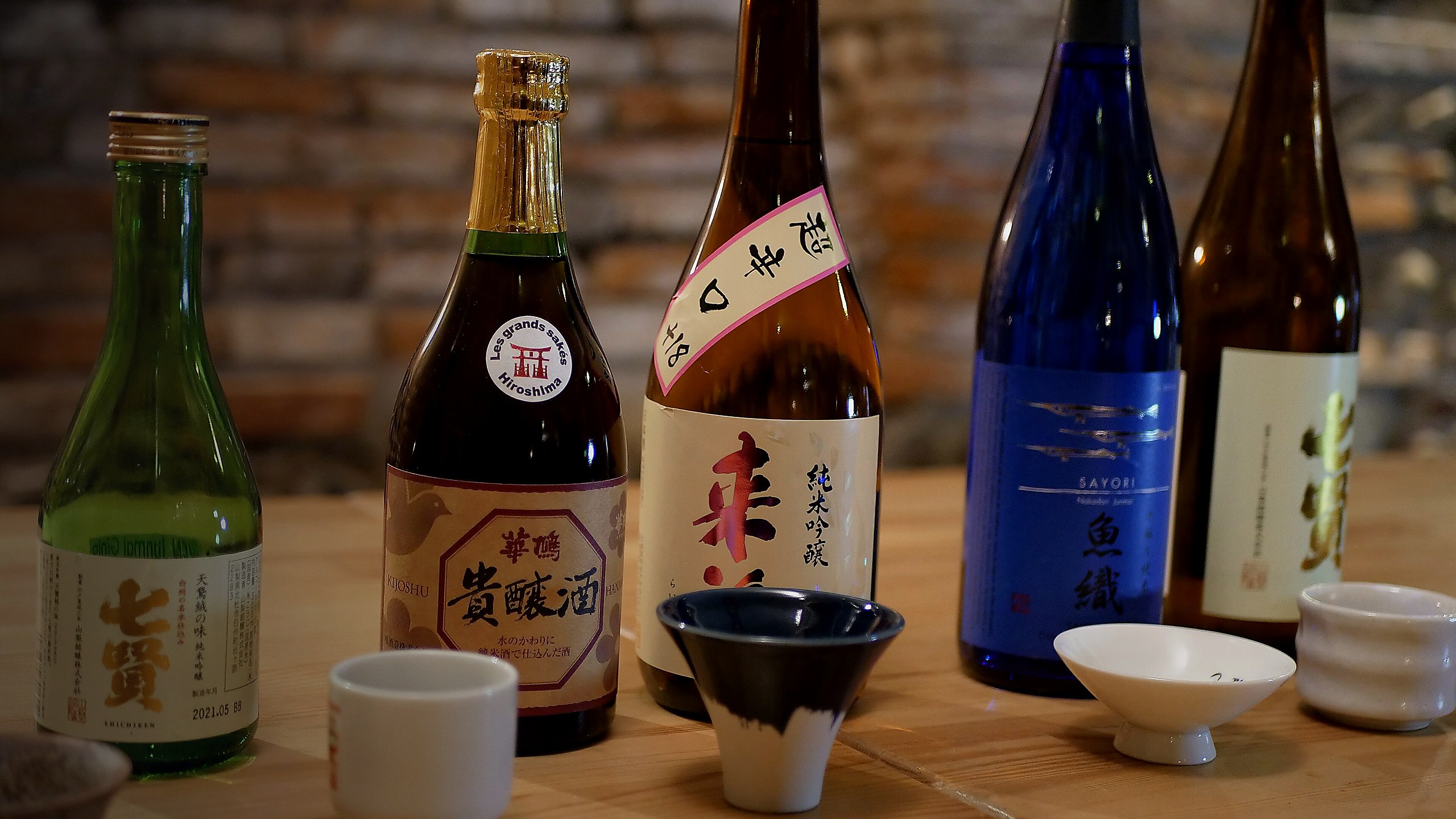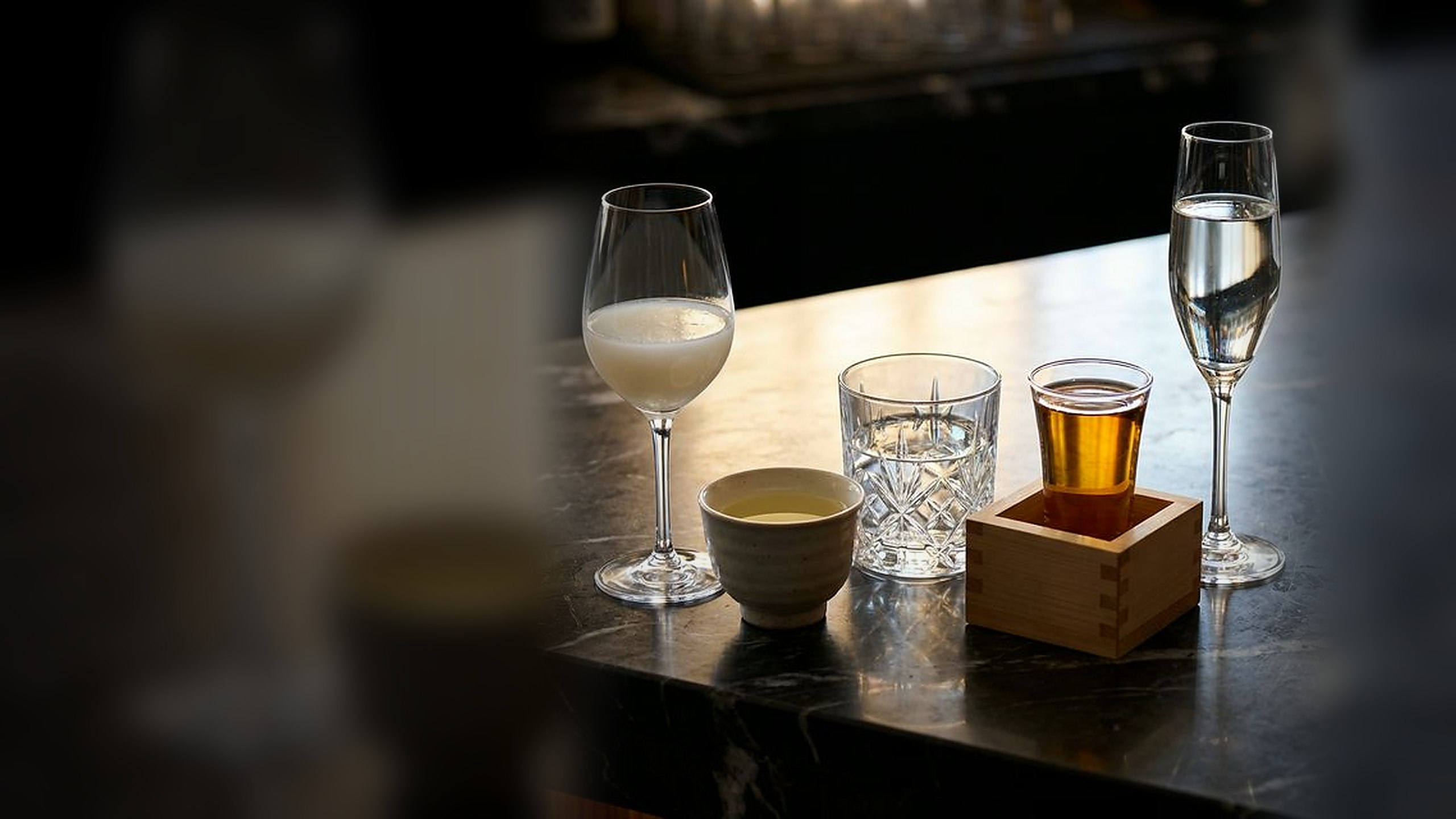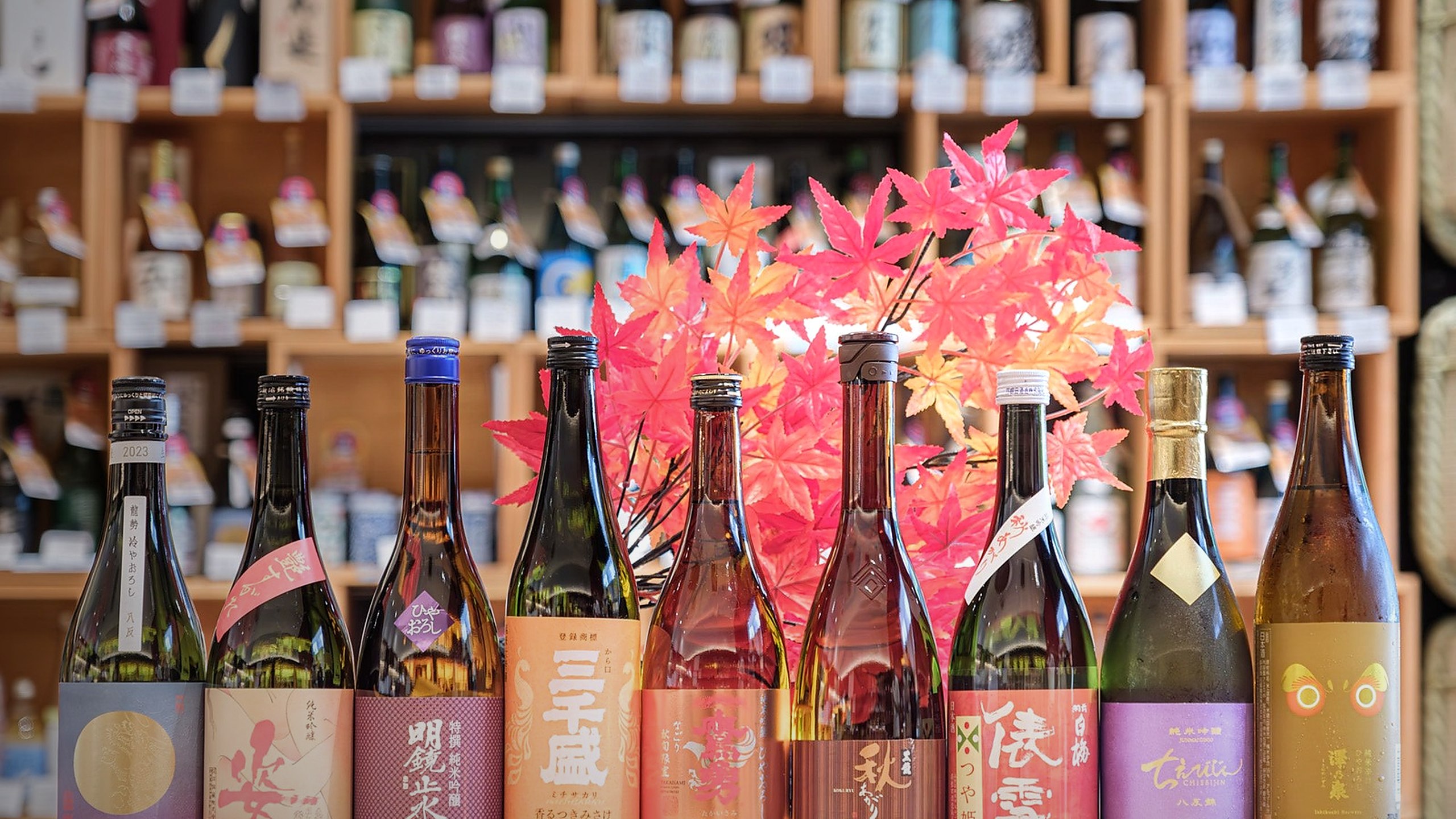
While wine releases a single vintage once a year, Japanese jizake breweries release four distinct seasonal expressions from the same autumn rice harvest across all 12 months. Here is the insider guide to reading Japan’s seasonal sake calendar.
Why the Japanese Sake Year Begins on July 1 (Brewery Year / BY)
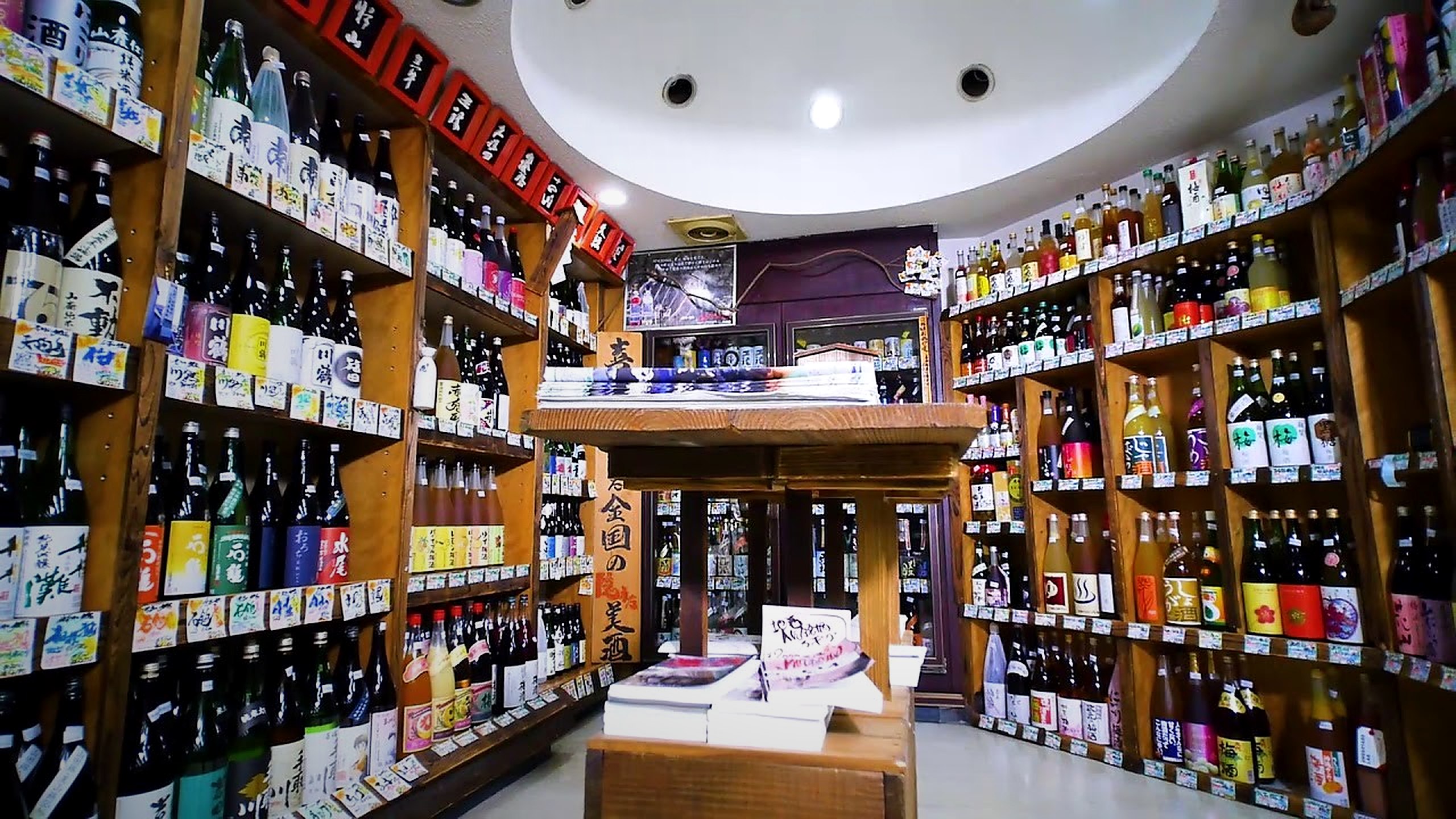
Step inside a top Tokyo specialty shop like Koyama Shoten or a leading sake dining room in Seoul, and you will notice something remarkable: the bottles lining the refrigerated cases change completely every four to six weeks.
Unlike wine—which is bottled and released as a single annual vintage—Japanese craft sake operates on its own liturgical calendar known as the Brewery Year (BY / 酒造年度), running from July 1 through June 30 of the following year. From the same autumn rice harvest, a single brewery will release four distinct seasonal expressions across all twelve months—evolving from electric winter shiboritate to misty spring kasumi-zake, crisp low-ABV summer releases, and mellow autumn hiyaoroshi.
| Release Window | Seasonal Style Name | Brewing & Bottling Method | Sensory Profile | Optimal Serving Temp |
|---|---|---|---|---|
| Nov – Jan | Shinshu / Shiboritate / Hatsushibori | Unfiltered, unpasteurized, undiluted (Muroka Nama Genshu) | Lively natural CO₂ prickle, crisp green apple, youthful herbal grip | 5–8°C (Yukibie) |
| Feb 4 | Risshun Asashibori | Pressed at dawn on Risshun, Shinto-blessed & shipped same day | Explosive vitality, freshly pressed sweetness & bright malic snap | 6–10°C (Hanabie) |
| Mar – May | Haruzake / Usunigori / Kasumi-zake | Lightly cloudy suspended fine rice/yeast lees (ori) | Misty pastel appearance, silky mid-palate creaminess & gentle bitterness | 8–12°C (Hanabie) |
| Jun – Aug | Natsuzake / Natsujun | Low-ABV (12–14%) genshu or citric white-koji design | Electric acidity, feather-light finish, stays sharp even over ice | 5–8°C (or on the rocks) |
| Sep – Nov | Hiyaoroshi / Akiagari | Pasteurized once in spring, tank-matured all summer, bottled nama | Rounded edges, deep savory umami, spherical velvety texture | 15–18°C or warm 40°C |

Winter (November – February): Shiboritate, Hatsushibori & Risshun Asashibori
As newly harvested autumn sake rice arrives at the cellar and white clouds of steam rise from the rice steamers (koshiki), the year’s first fermentation tanks are pressed beginning in late November.
Key Winter Bottle Terms
Spring (March – May): Haruzake, Usunigori & Kasumi-zake
As the grueling winter brewing season concludes (kaizo) and cherry blossoms sweep north across Japan, breweries release soft, pastel-labeled spring bottles.
Key Spring Bottle Terms
Summer (June – August): Natsuzake & Low-ABV Coastal Refreshment
Once considered the slow season for sake, summer has become a showcase for high-acid, low-alcohol (12–14% ABV) craftsmanship designed to be served at 5–8°C in chilled white-wine stems.
Key Summer Bottle Terms
Autumn (September – November): Hiyaoroshi & Akiagari (The Golden Maturity)
Beginning on September 9 (the traditional Chrysanthemum Festival), Japan’s most storied seasonal style arrives: Hiyaoroshi (ひやおろし).
The Edo-Era History & Science of "Hiyaoroshi"
"If winter shiboritate is the dazzling electricity of youth, autumn hiyaoroshi is the warm, composed smile of maturity. Travelling through all four seasons inside a glass is the true luxury of Japanese sake." — Senior Specialty Sake Buyer, Tokyo
When tracking seasonal releases via specialty merchants (tokuyakuten) and English/Japanese industry journals like SAKE Street, remember that virtually all of these bottles are single-batch allocations (~¥1,760–¥2,420 / 720ml in Japan) that are never restocked once sold out until the next Brewery Year.
Featured Breweries, Specs & Flavor Balance
| Flagship Label | Brewery & Region | Signature Rice & Water | Brewery Profile |
|---|---|---|---|
| Harukasumi | Kuribayashi Brewery (56 Komemachi, Rokugo, Misato-cho, Senboku-gun, Akita 019-1404, Japan) | Misato Nishiki (Rokugo Contract-Grown), Akita Sakekomachi, Yamada Nishiki, Hyakuden · Rokugo Springs Top 100 Famous Waters of Japan (Ou Mountains Subterranean Soft Water) | Brewery Profile |
| Natsuzake | Zuiyo Co., Ltd. (4-6-67 Kawajiri, Minami-ku, Kumamoto City, Kumamoto 861-4115, Japan) | Gin no Sato, Hananishiki, Yamada Nishiki, Reiho · Deep Subterranean Well Water from the Mt. Aso Watershed | Brewery Profile |
| OCEAN99 | Kankiku Meijo Co., Ltd. (11 Takenosato, Matsuo-machi, Sammu-shi, Chiba 289-1532, Japan) | Chiba Fusanomai, Chiba Fusakogane, Yamada Nishiki, Omachi, Ushuhomare · Kujukuri Plain Subterranean Soft Spring Water from the Ancient Persimmon Tree Well | Brewery Profile |
| Kikuzakari | Kikuzakari Sake Brewery Co., Ltd. (3-54 Saraki, Kitakami-shi, Iwate 024-0103, Japan) | Kakehashi, Ginotome, Ginginga, Kamenoo · Subsurface water from the Ou Mountain Range in the Kitakami River basin (soft water) | Brewery Profile |
| Hatsushibori | Takai Co., Ltd. (138 Ayukawa, Fujioka-shi, Gunma 375-0042, Japan) | Yamada Nishiki, Gohyaku Mangoku, Omachi, Miyama Nishiki, Wakamizu, Maikaze · Mt. Mikabo & Sanba River Subterranean Hard Well Water | Brewery Profile |
| Usumidori | Shimaoka Shuzo Co., Ltd. (375-2 Yuracho, Ota-shi, Gunma 373-0036, Japan) | Wakamizu (Local Ota Contract-Grown), Yamada Nishiki, Gohyaku Mangoku, Miyama Nishiki · Mt. Akagi & Watarase River Subterranean Medium-Hard Water | Brewery Profile |
| Tabika | Hayakawa Sake Brewery Co. (468 Ojima, Komono-cho, Mie-gun, Mie 510-1323, Japan) | Kaminoho, Yamadanishiki, Omachi, Gohyakumangoku · Subsurface water from Mount Shakagatake in the Suzuka Mountains (soft water) | Brewery Profile |
| Mimurosugi | Imanishi Sake Brewery Co., Ltd. (510 Miwa, Sakurai-shi, Nara 633-0001, Japan) | Tsuyuhakaze, Yamadanishiki, Omachi · Subsurface water from sacred Mt. Miwa (medium-soft water) | Brewery Profile |
| Senkin | Senkin Co., Ltd. (106 Baba, Sakura-shi, Tochigi 329-1321, Japan) | Domaine Sakura Estate-Grown Rice (Kamenoo, Yamada Nishiki, Omachi) · Kinugawa River System Subterranean Ultra-Soft Water (Domaine Aquifer) | Brewery Profile |
| Kioku | Yamazaki & Co. (Sonnoh Kuramoto) (57 Kakita, Nishihazu-cho, Nishio-shi, Aichi 444-0703, Japan) | Aichi-grown Yumesansui, Yumeginga, Yamada Nishiki · Subterranean water from the Mt. Sangane range (soft water) | Brewery Profile |
Brewed in Misato Town—famed for its Rokugo natural springs—Kuribayashi Shuzoten crafts Harukasumi under the guiding philosophy of 'sake that complements every dish on the dinner table.' Combining locally grown Misatonishiki and Sakekomachi rice with Kumamoto No. 9 yeast, it offers poised aromatics and a gentle, rounded umami that harmonizes effortlessly with seasonal washoku.
A crisp, refreshing summer release crafted to be served well-chilled with bright acidity and a brisk finish.
A seasonal coastal series inspired by the changing skies and waves of the 99-ri Kujukuri Beach, marked by bright acidity and lively spritz.
Matured through the summer in Kitakami, Iwate by 1894-founded Kikuzakari Shuzo, this autumn-release 'Hiyaoroshi' pairs soft Ou mountain water with local Iwate rice for rounded, mellow umami.
Bottled at peak press-side freshness by Takai Co., Ltd., 'Hatsushibori' showcases vibrant unpasteurized intensity from Yamada Nishiki, Gohyaku Mangoku, Omachi, Miyama Nishiki, Wakamizu, Maikaze and Mt. Mikabo & Sanba River Subterranean Hard Well Water, highlighted by gastronomic food-pairing versatility, rich, savory rice umami, harmonious balance of umami, acidity, and finish. Supported by Mt. Mikabo & Sanba River Subterranean Hard Well Water, it layers versatile, cuisine-elevating table-sake poise, savory, resonant rice umami, harmonious balance of umami, acidity, and finish to reflect the unmistakable terroir of Gunma.
A fresh winter new-press bottling from 1863-founded Shimaoka Shuzo ('Gunmaizumi') in Ota, Gunma, pairing Mt. Akagi subterranean water with structured rice umami and vibrant seasonal snap.
Handcrafted by a tiny family team in Komono, Mie using ultra-soft Mt. Shakagatake snowmelt water and 100% gentle fune (box) pressing, Tabika is celebrated for its pillowy, rounded sweetness. Brewed with local Kaminoho, Omachi, and Yamada Nishiki, its soothing umami and gentle acidity pair beautifully with dashi-steamed clams and seasonal washoku.
Founded in 1660 at the foot of sacred Mount Miwa and Omiwa Shrine—revered as the ancestral deity of Japanese sake brewing—Imanishi Shuzo crafts Mimurosugi using shrine-mountain subterranean water and locally grown Yamadanishiki and Tsuyuhakaze rice. Luminous lychee, white peach, and Muscat aromas flow into a crystal-clear, juicy palate with a brisk finish that pairs effortlessly with sushi, sashimi, and delicate crudo.
Pioneering the 'Domaine' terroir concept in Tochigi using estate-grown Kamenoo, Yamada Nishiki, and Omachi rice irrigated by the same ultra-soft Kinugawa aquifer as its brewing water, Senkin crafts natural sake through 100% kimoto fermentation in cedar vats with minimal rice polishing. Vibrant green apple and muscat tartness intertwines with savory wood-aged minerality, making it an extraordinary match for French seafood dishes, soft bloomy-rind cheeses, and herb-driven appetizers.
Created by 6th-generation kuramoto-toji Masayuki Yamazaki at Yamazaki Goshi Kaisha in Nishio, Aichi, 'Kioku' weaves the brewery's iconic 'Oku' heritage with memories of his late father into a modern low-ABV vision. Fermented slowly at low temperatures with soft Mt. Sangane water and Aichi-grown Yumesansui and Yumeginga rice, this 14% ABV genshu delivers crystalline white peach and Shine Muscat aromatics with brisk, juicy acidity. Pair it with Mikawa Bay sea bream carpaccio, unagi shirayaki (white-grilled eel) from Isshiki, or seasonal fruit shira-ae.
Recommended Pairing
Weekly Sake & Tasting Dispatch
Curated seasonal releases, sub-zero arrivals, and tasting city guides across global editions.