Kiyasho Shuzo's "Jikon" from Mie. The Zen teaching in its name.
The Meaning of "Jikon"
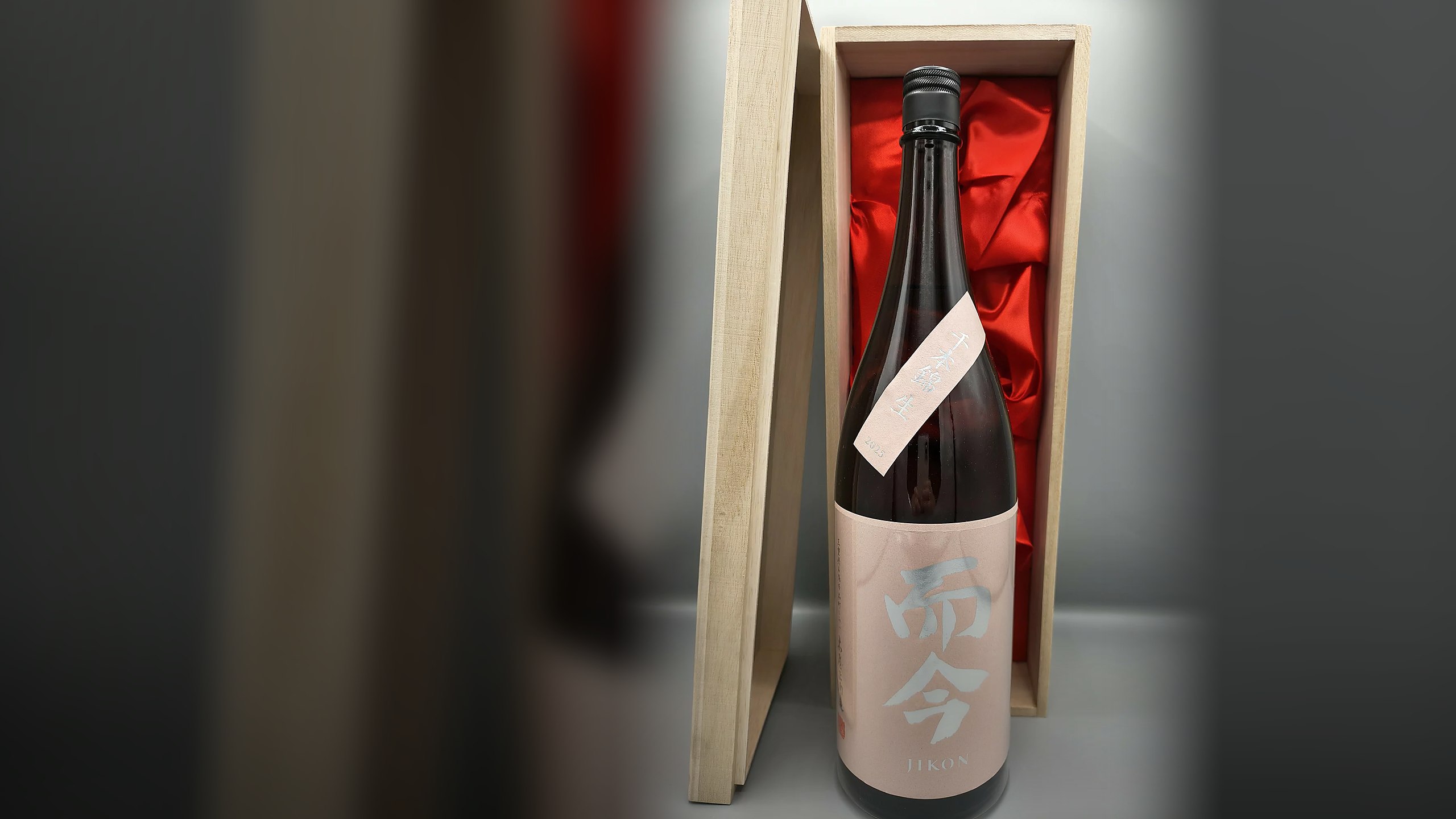
"Jikon" (而今) is a Zen term meaning "this very moment." Don't regret the past, don't worry about the future—simply pour everything into the present. This is exactly the philosophy that sixth-generation brewer Tadakatsu Onishi poured into this sake. In launching the brand, Onishi carved his resolve into these two characters: while preserving the house's historic label "Takasago," he would send a sake for a new era out into the world from Nabari—"Jikon" was also a declaration of the brewery's rebirth.
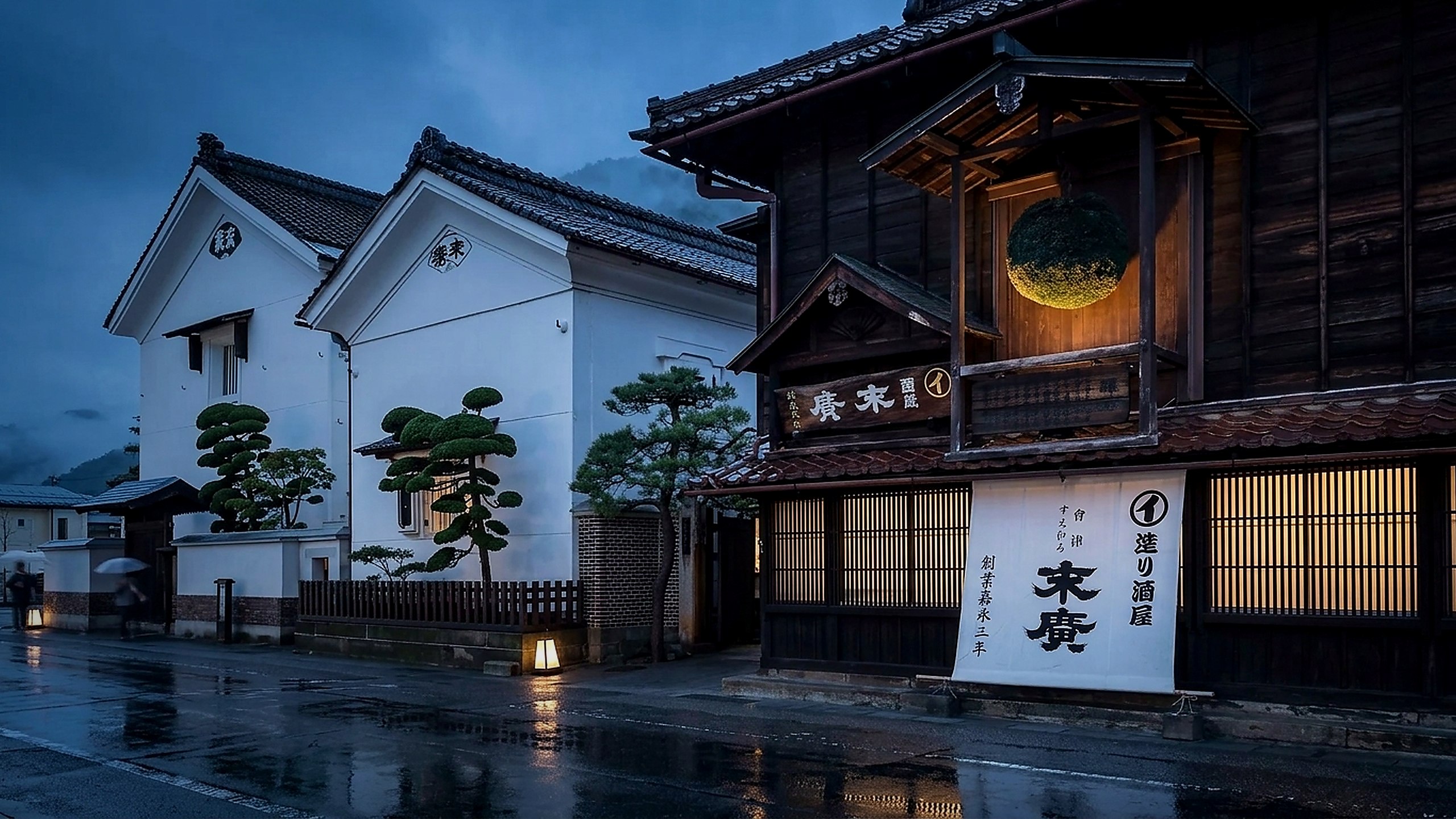
Nabari City, Mie Prefecture. Along the ancient highway connecting Yamato and Ise, Kiyasho Shuzo stands quietly. Founded in 1818, this brewery boasts over 200 years of history, yet was once known only locally for its ordinary table sake. An Edo-period main house, minimal equipment—who could have imagined that a sake sommeliers around the world would call for by name would one day be born in this small brewery?
Quick Specs & 2026 Rating Summary
Self-Taught Brewing Mastery
After graduating from Tokyo University of Agriculture, Onishi returned to the family brewery in 2004. But there was no toji (master brewer) to learn from. With nobody to inherit techniques from, Onishi devoured academic papers, visited other breweries, and built his brewing skills from scratch. The desperate condition of having no master to rely on was, in reverse, a freedom from fixed ideas: fermentation temperature curves, yeast selection, the timing of koji work—he re-verified everything through his own observation and records. The brewery deliberately stays small: the ideal sake can only be made within arm's reach—that, Onishi has long said, is why he insists on small batches.
The turning point came in 2005, when a junmai ginjo born from trial and error earned high praise at a Japanese sake competition. The brand name "Jikon" was born at this moment. Starting from just a few hundred bottles, word spread like wildfire—and in 2026, Jikon Tokuto Omachi captured 1st Place in the Super Premium category at SAKE COMPETITION 2026, proving its continued mastery. Twenty years after its debut, Jikon has never once stood still.
The Core Flavor — Juicy Transparency
Jikon's defining characteristic is being "juicy yet transparent"—a seemingly contradictory personality. The moment it enters your mouth, fruit-like sweetness and umami spread across the palate, yet the finish is astonishingly clean. This is the result of Onishi's relentless pursuit of precise balance between acidity and sweetness, with the goal of creating "sake that makes people smile." What supports the sweetness is a refreshing, malic-acid-like brightness—this engineered acidity is the true identity of Jikon's transparency.
The brewery works with diverse sake rice varieties including Yamada Nishiki, Omachi, and Hattan Nishiki, maximizing each variety's unique character: Omachi full-bodied and untamed, Yamada Nishiki poised and long. That bottles under the same name can show such different faces is itself proof of the brewery's design skill. The "Jikon Tokubetsu Junmai Hiire" is widely loved as an accessible starting point combining stability with elegance.
Seasonal releases are another pleasure of Jikon. The unfiltered nama genshu of winter and spring bursts with fresh fruit, while the pasteurized bottlings—heated and rapidly chilled in the bottle with painstaking care—keep the vividness of raw sake intact with rock-steady quality. The precision of this pasteurization is why connoisseurs across Japan agree that "Jikon never falls off, even in hiire."
Tasting Notes
Typical profile: aromas of white peach, muscat, and lychee. Soft mouthfeel with solid rice umami emerging mid-palate. The finish is neither too long nor too short, fading pleasantly with gentle acidity. Recommended at 10-15°C—too cold and the aroma closes; as it warms, the sweetness blooms. Watching its expression shift within this range is part of Jikon's pleasure. Serving in wine glasses maximizes its appeal.
The vessel changes the impression too: a thin, small glass sharpens the acidity's outline, while a larger bowl lets sweetness and aroma expand generously. Following the flavor's evolution over two or three days after opening is another way to enjoy Jikon.
Jikon's Core Cuvées: A Comparative Guide
People say you cannot go wrong with any bottle of Jikon, yet the differences between cuvées are greater than you might expect. From the juicy backbone of the Tokubetsu Junmai to the quiet concentration of NABARI, knowing the specs and serving temperatures multiplies the depth of the experience.
| Cuvée | Class & Polish | Ref. Price in Japan (720ml) | Character & Serving Temp |
|---|---|---|---|
| Jikon Tokubetsu Junmai (pasteurized) | Tokubetsu Junmai, 60% | approx. ¥1,600 (3-5x abroad) | Juicy sweet-and-sour core with a clean finish; the entry point and the essence. 10-12C |
| Jikon Tokubetsu Junmai Nigori Nama | Tokubetsu Junmai, 60% | approx. ¥1,600 | Winter only; gentle spritz and the sweetness of fine lees. 6-8C |
| Jikon Junmai Ginjo Omachi Muroka Nama | Junmai Ginjo, 50% | approx. ¥2,400 | Omachi's breadth and sensual fruit; a fan favorite. 8-10C |
| Jikon Junmai Ginjo Yamada Nishiki (pasteurized) | Junmai Ginjo, 50% | approx. ¥2,300 | Precise contours and transparency; a complete food sake. 10-12C |
| Jikon Junmai Daiginjo NABARI | Junmai Daiginjo, 40% | approx. ¥5,500 | The flagship line bearing the name of its hometown; quiet concentration and a long echo. 10-12C |
Enjoying the Evolution After Opening (Day 1 → Day 7)
Practical Buying & Storage Advice
Why It's So Hard to Find
Jikon's annual production is extremely limited, selling out instantly even at authorized retailers. Bottles often trade at premium prices online, but Onishi insists on sales at retail price—a philosophy shared with Takagi Shuzo of Juyondai fame. The point is not buzz to be consumed on social media but the happiness of a single glass at the table—and that firm stance toward distribution has kept Jikon away from the speculation that shortens a brand's life.
What Jikon teaches us is that sake is meant to be opened and enjoyed "in this very moment." Not as a collector's item waiting to appreciate in value, but as a bottle that graces the table shared with loved ones. The Zen teaching extends even to how the sake should be drunk.
Featured Breweries, Specs & Flavor Balance
| Flagship Label | Brewery & Region | Signature Rice & Water | Brewery Profile |
|---|---|---|---|
| Jikon | Kiyasho Sake Brewery Co., Ltd. (314-1 Honmachi, Nabari-shi, Mie 518-0726, Japan) | Yamadanishiki, Aiyama, Omachi, Hattannishiki, Senbonnishiki · Subsurface water from the Nunobiki mountain range (brewery well water, soft water) | Brewery Profile |
| Mirai | Uehara Shuzo Co., Ltd. (1524 Ota, Shin-Asahi-cho, Takashima-shi, Shiga 520-1502, Japan) | Wataribune No. 2, Tamasakae, Ginfubuki, Yamadanishiki, Omachi, Kamenoo · Hira Mountain Range Artesian Subterranean Soft Water (Harie Spring Vein) | Brewery Profile |
| Juyondai | Takagi Shuzo Co., Ltd. (1826 Oaza Tominami, Murayama-shi, Yamagata 995-0111, Japan) | Tatsu no Otoshigo, Sakemirai, Ushu Homare, Aiyama, Yamada Nishiki · Mount Hayama Subterranean Spring Water 'Sakura-Shimizu' (Soft Water) | Brewery Profile |
Named after the Zen phrase 'living fully in the present moment,' Jikon by 6th-generation brewer Tadakatsu Onishi in Nabari, Mie stands at the absolute summit of modern sake. Radiant muscat and white peach aromatics, crystalline Nunobiki mountain soft-water sweetness, and electric acidity achieve a golden-ratio balance that enchants on its own or alongside Matsusaka Wagyu and fine sushi.
A special-edition junmai sake brewed with pesticide-free organic rice and indigenous yeast, embodying a sustainable vision for the future of sake brewing.
Pioneered by 15th-generation master brewer Akitsuna Takagi, Juyondai revolutionized modern sake by shifting the paradigm from dry austerity to lush, nectar-like aromatics of ripe musk melon and white peach. Crafted with proprietary rice strains like Sakemirai, Ryuno-otoshigo, and Ushuhomare alongside Special A-grade Yamadanishiki using the prized Shichitare Nijikkan drip technique, its velvety umami and crystalline finish elevate omakase sushi and Wagyu kaiseki.
Recommended Pairing
Weekly Sake & Tasting Dispatch
Curated seasonal releases, sub-zero arrivals, and tasting city guides across global editions.