[Decoding Japanese Sake Yeasts] Kyokai No. 6, No. 7, No. 9, No. 1401 & No. 1801 — How Yeast Strains Architect Aroma and Acidity
Tasting

[Decoding Japanese Sake Yeasts] Kyokai No. 6, No. 7, No. 9, No. 1401 & No. 1801 — How Yeast Strains Architect Aroma and Acidity

2026-10-2511min readSakeStream
Back
EXECUTIVE SUMMARY & KEY TAKEAWAYS

Why does one sake whisper of white peach and muskmelon while another bursts with ripe red apple? Up to 80% of the answer lies not in the rice variety, but in a 5-micron microorganism: sake yeast. Here is the definitive insider guide to Kyokai and regional yeasts.

Key Sections in This Report:

The 5-Micron Architects Behind 80% of Sake’s Aroma and Acidity

In the world of wine, grape varietals—Pinot Noir, Chardonnay, Riesling—dictate the primary aromatic profile. In Japanese sake, however, polished rice grains contain virtually zero fruity aromatic compounds of their own. Why, then, does a glass of modern craft sake brim with notes of muskmelon, white peach, green apple, and Bartlett pear?

The answer lies in a microscopic organism measuring just 5 to 10 microns across: sake yeast (*Saccharomyces cerevisiae*). As koji enzymes break rice starch down into glucose during multiple parallel fermentation, yeast cells consume that sugar and synthesize alcohol, carbon dioxide, organic acids, and hundreds of volatile aromatic esters. When Japanese brewing scientists at NRIB and specialist journalists at SAKE Street evaluate a bottle, their very first question is not "what is the rice polishing ratio?" but "which yeast lineage architected this fermentation?"


The Two Great Ginjo Esters: Isoamyl Acetate vs. Ethyl Caproate

Every serious sake sommelier and master brewer (Toji) distinguishes between two primary aromatic ester families produced by yeast:

#1

Isoamyl Acetate (酢酸イソアミル) — The Gastronomy Standard of Quiet Elegance

Sensory Profile
Crisp green banana, muskmelon rind, white peach, and Asian pear.
Culinary Behavior
Because its volatility is restrained and refined, isoamyl acetate never overwhelms delicate dashi broths, raw white fish sashimi, or vinegared sushi rice (shari). It invites a second and third glass without palate fatigue.
Signature Yeasts
Kyokai No. 7, No. 9, and No. 1401 (Kanazawa Yeast).
Benchmark Bottles
Mimurosugi Dio Abita (Nara), Tabika Junmai Ginjo (Mie), Hiroki Tokubetsu Junmai (Fukushima), Kokuryu (Fukui).
#2

Ethyl Caproate (カプロン酸エチル) — The High-Impact Competition Showstopper

Sensory Profile
Lush red Delicious apple, ripe pineapple, candied pear, and white blossoms.
Culinary Behavior
Delivers an unforgettable, perfumey first impression in a wine glass—ideal as a celebratory aperitif or paired with fruit-accented French crudo. Because excessive ethyl caproate can leave a slightly bitter tail or tire the palate over a long meal, top modern breweries balance it with brisk malic acidity or blend it with No. 9-lineage yeasts.
Signature Yeasts
Kyokai No. 1801, M310 Yeast.
Benchmark Bottles
Kankiku Seijitsu / Denshogiku (Chiba), Tenbi Hotaten (Yamaguchi), Hououbiden (Tochigi).
"If ethyl caproate is a soprano soloist commanding the spotlight at center stage, isoamyl acetate is the string quartet that elevates the entire culinary performance. Modern master brewers calibrate the ratio between these two esters down to a tenth of a part per million." — Senior Specialty Sake Buyer, Tokyo

The 5 Legendary "Kyokai Yeasts" (Brewing Society of Japan) Decoded

Beginning in the late Meiji era, Japan’s National Research Institute of Brewing (NRIB) and the Brewing Society of Japan (Nihon Jozo Kyokai) isolated superior house yeasts from the country’s greatest breweries and distributed pure cultures nationwide as Kyokai Yeasts (協会酵母). Strains ending in "01" (601, 701, 901, 1401, 1801) are non-foaming variants (*awanashi kobo*) bred to prevent thick moromi foam—expanding usable tank capacity by 20–30% while keeping precious enzymes and delicate aromas locked inside the liquid.
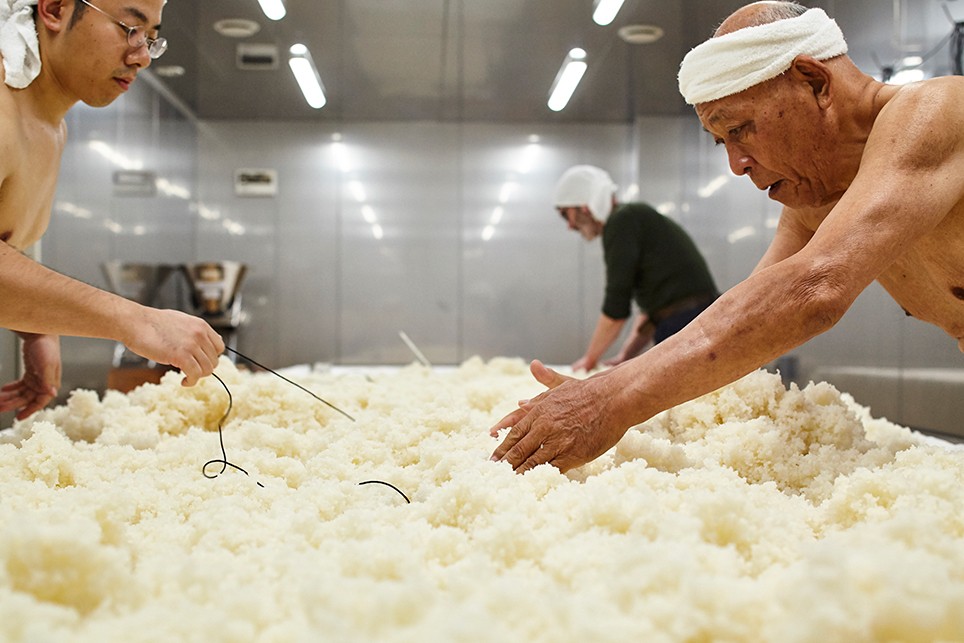
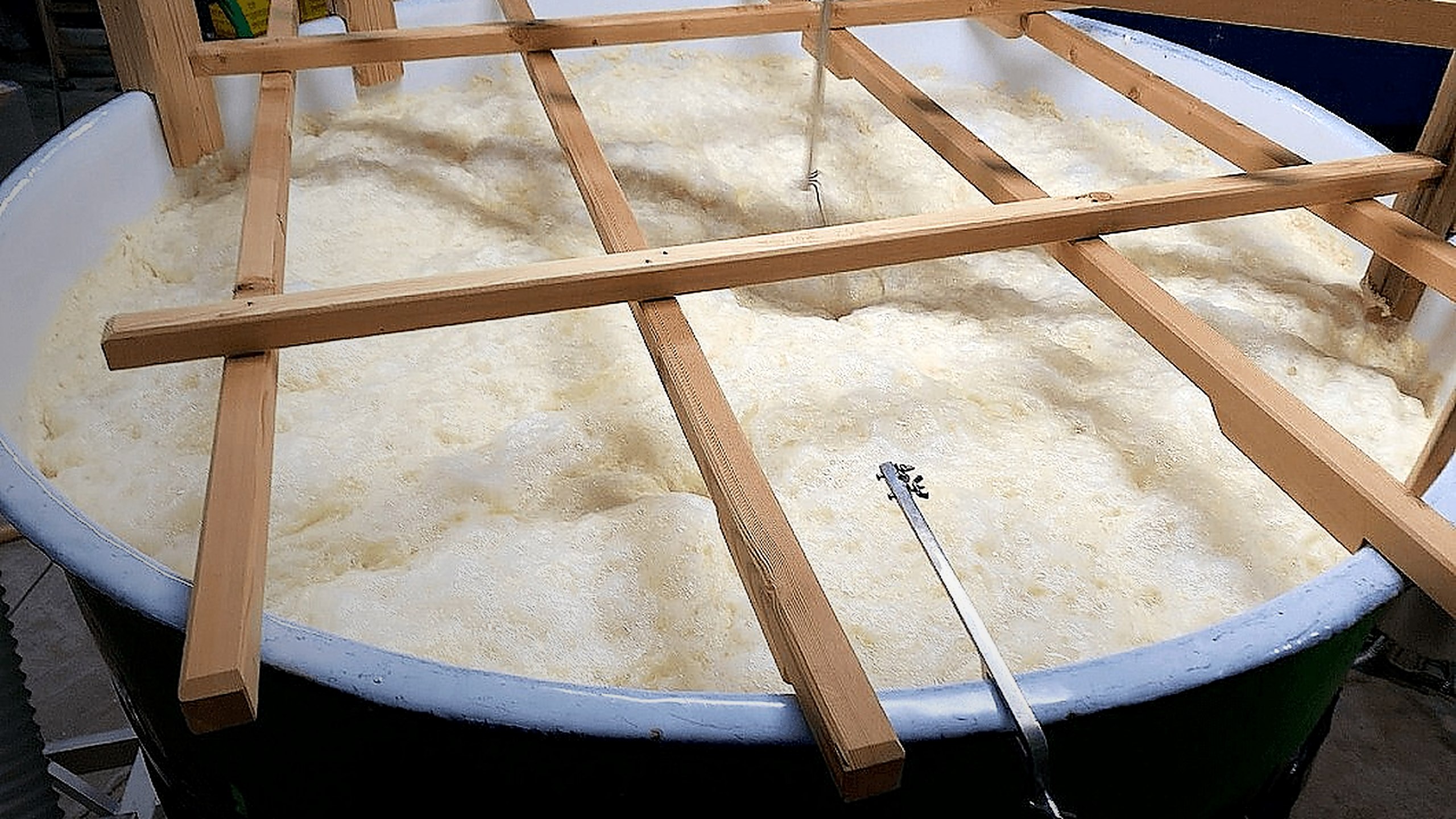
Koji propagation and sake yeast working in multiple parallel fermentation to architect complex Ginjo esters
Yeast StrainYear IsolatedOrigin BreweryPrimary Ester ProfileAcidity & StructureBenchmark Bottle (720ml Japan Retail)
Kyokai No. 61930Aramasa Shuzo (Akita)Restrained Isoamyl Acetate (green apple, white blossom)High malic & lactic acid; crystalline cool-climate spineAramasa No. 6 S-type (~¥3,000)
Kyokai No. 71946Miyasaka Brewing Masumi (Nagano)Isoamyl Acetate dominant (citrus zest, Asian pear)Brisk acidity & razor-sharp dry finish; versatile food pairingKaze no Mori Akitsuho 657 (~¥1,650)
Kyokai No. 91953Kumamoto Sake Institute KoroGolden ratio of Isoamyl Acetate & Ethyl CaproateNoble acidity & architectural Ginjo balance (YK35 core)Kokuryu Junmai Ginjo (~¥2,090)
Kyokai No. 14011995Kanazawa Tax Bureau (Ishikawa)Clean Isoamyl Acetate (white peach, melon)Ultra-low amino acids; liquid-silk transparencyTabika Junmai Ginjo Omachi (~¥2,200)
Kyokai No. 18012006Brewing Society (No. 9 × No. 1601)High Ethyl Caproate (ripe red apple, candied pear)Low acidity & low amino acids; plush, showstopping fruitHououbiden Junmai Ginjo (~¥1,980)
#1

Kyokai No. 6 (Aramasa Yeast / Isolated 1930) — The Oldest Living Cool-Climate Icon

Origin Brewery
Aramasa Shuzo, Akita Prefecture.
Profile
The oldest commercially distributed Kyokai yeast still in active use. Adapted to Akita’s freezing winters, No. 6 ferments steadily even below 10°C, producing restrained green-apple aromatics and a crystalline spine of malic and lactic acidity.
2026 Context
When 8th-generation owner Yusuke Sato committed Aramasa exclusively to Kyokai No. 6 and launched the No. 6 series, he sparked Japan’s modern low-ABV, acid-driven craft revolution.
#2

Kyokai No. 7 (Masumi Yeast / Isolated 1946) — The World’s Benchmark Food-Pairing Workhorse

Origin Brewery
Miyasaka Brewing (Masumi), Suwa, Nagano Prefecture.
Profile
Isolated after Masumi swept the top three places at the 1946 National New Sake Appraisal. Known for vigorous fermentation, bright citrus-zest freshness, and a razor-sharp dry finish, No. 7 remains the most widely used yeast in Japan.
2026 Context
Nara’s Yucho Shuzo (Kaze no Mori) ferments virtually its entire portfolio with Kyokai No. 7-lineage yeast, pairing its lively natural acidity with unpasteurized micro-carbonation.
#3

Kyokai No. 9 (Kumamoto / Koro Yeast / Isolated 1953) — The King of Ginjo

Origin Brewery
Kumamoto Prefectural Sake Research Institute (Koro).
Profile
The strain that birthed modern Daiginjo. Combining noble muskmelon aromatics with structural acidity, No. 9 anchored the legendary "YK35" formula (Yamada Nishiki rice + Kumamoto No. 9 yeast + 35% polishing ratio) that dominated national gold medals for decades.
2026 Context
In the same Kumamoto basin, Hananoka Shuzo (Ubusuna) honors its homeland’s microbial heritage by wedding Kumamoto’s yeast legacy with wooden-vat (kioke) kimoto fermentation.
#4

Kyokai No. 1401 (Kanazawa Yeast / Registered 1995) — Pure Silk & Crystal Clarity

Origin
Isolated from a premium Ginjo mash in Ishikawa Prefecture by the Kanazawa Regional Taxation Bureau.
Profile
Famous for producing exceptionally low amino acid levels (zero off-flavors) alongside clean isoamyl acetate aromatics. The resulting texture is pure liquid silk that never clashes with delicate sashimi or kelp dashi.
2026 Context
A secret weapon of Mie’s Hayakawa Shuzo (Tabika) and Hokuriku’s finest food-friendly Ginjo brewers.
#5

Kyokai No. 1801 (Registered 2006) — The Architect of Modern Fruity Lushness

Origin
Bred by the Brewing Society of Japan by crossing No. 9 and No. 1601 lineages.
Profile
Generates soaring levels of ethyl caproate with low acidity and gentle sweetness. Today’s savviest brewers often co-ferment or blend No. 901 (structure & cut) × No. 1801 (aromatic lift) to achieve both immediate beauty and table-worthy drinkability.

Regional Prefectural Yeasts & Sommelier Buying Tips

Across Japan's top regional craft breweries, prefectural research institutes have bred signature local yeasts that express distinct regional terroir:

Fukushima’s Utsukushima Yume Yeast (F7-01)
The signature yeast of Fukushima Prefecture—which achieved a historic 9 consecutive national championships, captured 20 Gold Medals at the May 2026 Reiwa 7BY National New Sake Appraisal (NRIB Official) for its 2nd consecutive and 12th overall solo No. 1 national title, and led the November 2026 NTA Tohoku Sake Appraisal in Honor Prizes for the 6th straight year. Balancing ethyl caproate and isoamyl acetate with plush peach-like mid-palate roundness, it powers both Suehiro Shuzo’s Gensai (~¥2,750 / 720ml in Japan) and Oki Daikichi Honten’s Gakki Masamune (~¥1,650 / 720ml in Japan).
Aichi’s Local Yeast × Yume Sansui / Yume Ginka
Deployed by Yamazaki Goshi Kaisha in Ki-oku (きおく、記奥) (~¥1,980 / 720ml) to frame rich Mikawa rice umami within a crisp, 14% ABV undiluted genshu silhouette.
Nara’s Wild Monastery Starter (Bodaimoto)
At Imanishi Shuzo (Mimurosugi Bodaimoto, ~¥3,300 / 720ml), ambient house yeasts and lactic bacteria awakened via 15th-century temple methods create complex citrus-mineral layers impossible to replicate in a lab.
1,215 Breweries · 2,891 Labels · Neutral Archive
Linked from 1,215 Breweries · 2,891 Labels · 8,673 Reviews

Featured Breweries, Specs & Flavor Balance

Flagship LabelBrewery & RegionSignature Rice & WaterBrewery Profile
AramasaAramasa Co., Ltd. (6-2-35 Omachi, Akita-shi, Akita 010-0921, Japan)Pesticide-Free & Estate-Grown Akita Rice (Kairyo Shinko, Rikuu No. 132, Misato Nishiki, Akita Sakekomachi) · Mount Taihei Subterranean Soft Water (Akita City)Brewery Profile
MasumiMiyasaka Brewing Company, Ltd. (1-16 Motomachi, Suwa-shi, Nagano 392-8686, Japan)Nagano-grown Miyama Nishiki, Sankei Nishiki, Hitogokochi, and Hyogo Special-A Yamada Nishiki · Kirigamine Highland Subterranean Water (Soft Water)Brewery Profile
KoroKumamoto-ken Shuzo Kenkyusho Co., Ltd. (1-7-20 Shimazaki, Chuo-ku, Kumamoto City, Kumamoto 860-0073, Japan)Yamada Nishiki, Hananishiki, Shinriki · Mt. Aso Subterranean Water (Medium-Soft Private Well Water)Brewery Profile
MimurosugiImanishi Sake Brewery Co., Ltd. (510 Miwa, Sakurai-shi, Nara 633-0001, Japan)Tsuyuhakaze, Yamadanishiki, Omachi · Subsurface water from sacred Mt. Miwa (medium-soft water)Brewery Profile
TabikaHayakawa Sake Brewery Co. (468 Ojima, Komono-cho, Mie-gun, Mie 510-1323, Japan)Kaminoho, Yamadanishiki, Omachi, Gohyakumangoku · Subsurface water from Mount Shakagatake in the Suzuka Mountains (soft water)Brewery Profile
HirokiHiroki Shuzo Honten Co., Ltd. (Ko 3574 Shichuniban, Aizubange-machi, Kawanuma-gun, Fukushima 969-6543, Japan)Yamadanishiki, Gohyakumangoku, Omachi, Fukunoka, Yumenoka · Subsurface snowmelt water from the Mt. Iide range in the Aizu Basin (soft water)Brewery Profile
KokuryuKokuryu Sake Brewing Corporation (1-38 Matsuoka-Kasuga, Eiheiji-cho, Yoshida-gun, Fukui 910-1133, Japan)Hyogo Tojo Yamada Nishiki, Fukui Sakahomare, Gohyakumangoku, Koshinoshizuku · Mt. Hakusan Range & Kuzuryu River Subterranean Soft WaterBrewery Profile
TenbiChoshu Brewery Co., Ltd. (72 Yoshika, Kikugawa-cho, Shimonoseki-shi, Yamaguchi 750-0316, Japan)Yamada Nishiki, Saito no Shizuku · Koya River System & Kikugawa Natural Subterranean Medium-Soft WaterBrewery Profile
HououbidenKobayashi Shuzo Co., Ltd. (743-1 Soshishima, Oyama-shi, Tochigi 323-0061, Japan)Hyogo Nishiwaki Yamada Nishiki, Toyama Nanto Gohyakumangoku, Okayama Akaiwa Omachi, Tochigi Yumesasara · Nikko Mountain Range Subterranean Medium-Hard WaterBrewery Profile
HooShiina Sake Brewery Co., Ltd. (411 Takahara, Juo-cho, Hitachi-shi, Ibaraki 319-1305, Japan)Hitachinishiki, Miyamanishiki, Gohyakumangoku, Yamadanishiki · Abukuma Mountains Upper Juo River Natural Spring Soft WaterBrewery Profile
6-2-35 Omachi, Akita-shi, Akita 010-0921, Japan · Aramasa Co., Ltd. (Est. 1852)
Aramasaガス酸味ワイン
Mount Taihei Subterranean Soft Water (Akita City) Pesticide-Free & Estate-Grown Akita Rice (Kairyo Shinko, Rikuu No. 132, Misato Nishiki, Akita Sakekomachi) Kyokai No. 6 Yeast (Birthplace Brewery, 100% Exclusive Use)

As the birthplace of Kyokai No. 6 yeast, Aramasa represents the pinnacle of modern sake brewing through 100% kimoto fermentation in cedar vats using exclusively Akita-grown rice. Its vibrant citrus acidity, low-alcohol elegance, and silky sweetness evoke fine white Burgundy, pairing effortlessly with sashimi, crudo, and modern gastronomy.

Flavor Balance (1–5 Rice Grains)Shows which flavor direction the balance leans toward (1 to 5 rice grains), never a quality rank or score.
Serving & Glassware:Recommended Temperature: 10–14°C (Cool Cellar) & 42–45°C (Bain-Marie Warmed / Nurukan) / Recommended Glassware: Thin-rimmed white Burgundy or Riedel O Daiginjo wine glass. Right after opening at 10°C, savor the vibrant micro-effervescence and taut lactic/citric tension shaped by Mount Taihei Subterranean Soft Water (Akita City); after 15 minutes as it reaches 14°C, multi-dimensional Pesticide-Free & Estate-Grown Akita Rice (Kairyo Shinko, Rikuu No. 132) umami and savory kimoto complexity blossom.
Global Gastronomy Pairings
• Charcoal-grilled Hinai-jidori chicken kiritanpo hotpot and smoked iburigakko with sake-lees cream cheese
• Charcoal-seared Hanwoo 1++ brisket point (chadolbagi) paired with aromatic minari and chilled dongchimi radish
• Pan-roasted Breton blue lobster with Champagne, tarragon, and cultured butter beurre blanc
“Opened a bottle of No. 6 X-type and was floored by the burst of Shine Muscat and white peach aromatics, backed by multi-dimensional kimoto acidity and crystalline purity from cedar vat fermentation. An absolute masterpiece of contemporary Japanese brewing.”
Domestic Review · SAKETIME / 国内口コミ六号酵母の求道者
“A revelation for Burgundy and Champagne lovers: laser-focused lactic and malic tension, delicate wooden-vat complexity, and incredible concentration at just 13% ABV. Pairs brilliantly with Dover sole and shellfish.”
Global Sommelier · Vivino / Fine Wine & SakeMarc L.
“Finally scored Amaneko and Ecru through a bottle shop lottery! That lively micro-effervescence on opening and bright, juicy sweet-tart balance is unmatched—turned my wine-drinking friends into instant sake fanatics.”
SNS Buzz · X (Twitter) / Reddit r/Sake@tokyo_sake_hunter
1-16 Motomachi, Suwa-shi, Nagano 392-8686, Japan · Miyasaka Brewing Company, Ltd. (Est. 1662)
Masumi酸味辛口ガス
Kirigamine Highland Subterranean Water (Soft Water) Nagano-grown Miyama Nishiki, Sankei Nishiki, Hitogokochi, and Hyogo Special-A Yamada Nishiki Kyokai No. 7 Yeast (Discovered at Masumi; 100% Exclusive House No. 7 Strains)

Founded in 1662 in Suwa, Nagano and named after the sacred mirror of Suwa Grand Shrine, Masumi by Miyasaka Brewing Company is the historic birthplace of Kyokai Yeast No. 7—the most widely used sake yeast in Japan. Having returned to 100% Yeast No. 7 fermentation across its color-coded flagship series ('KURO', 'KAYA', 'SHIRO', and 'NANAGO'), it delivers poised citrus-herbal aromatics, calm acidity, and savory depth that pair effortlessly with washoku, miso dishes, and alpine cuisine.

Flavor Balance (1–5 Rice Grains)Shows which flavor direction the balance leans toward (1 to 5 rice grains), never a quality rank or score.
Serving & Glassware:Recommended Temperature: 10–14°C (Cool Chilled / Hanabie to Suzubie) / Recommended Glassware: Thin-rimmed white wine stem (Riedel O Daiginjo) or stemmed porcelain cup. At 10°C upon opening, enjoy the crystalline poise of Kirigamine Highland Subterranean Water (Soft Water) and refined aromatics; after 15 minutes as it warms toward 14°C, three-dimensional Nagano-grown Miyama Nishiki, Sankei Nishiki umami and balanced acidity expand to bridge sashimi and roasted main courses.
Global Gastronomy Pairings
• Shinshu Premier Wagyu grilled on magnolia-leaf miso and wild mountain mushroom & duck dashi hotpot
• Kelp-aged Namhae wild flounder sashimi wrapped in roasted gamtae seaweed with fresh sea urchin
• Pan-seared Hokkaido diver scallops over cauliflower velouté with toasted hazelnut brown butter
“Since returning exclusively to its ancestral Yeast No. 7, Masumi has achieved a profound harmony of calm savanna-like depth and modern clarity. 'KURO' Junmai Ginjo and 'NANAGO' Yamahai Junmai Daiginjo are masterpieces.”
Domestic Review · SAKETIME / 国内口コミ諏訪五蔵マイスター
“Featured in every WSET sake textbook as the birthplace of Yeast No. 7, Masumi is a cornerstone of global sake culture. Its restrained citrus-and-herb profile—free of flashy ester excess—is a masterclass in food-friendly balance.”
Global Sommelier · Vivino / Global Sake Heritage Reviewleanor W., London
“Visited Cella Masumi in Suwa and picked up 'KURO' Junmai Ginjo and 'SHIRO' Usunigori! Minimalist bottle design and effortless, soothing balance make them unbeatable for everyday dining.”
SNS Buzz · X (Twitter) / Instagram@suwa_sake_journey
1-7-20 Shimazaki, Chuo-ku, Kumamoto City, Kumamoto 860-0073, Japan · Kumamoto-ken Shuzo Kenkyusho Co., Ltd. (Est. 1909)
Koro甘味フレッシュ旨味
Mt. Aso Subterranean Water (Medium-Soft Private Well Water) Yamada Nishiki, Hananishiki, Shinriki Kumamoto Yeast (Origin of Kyokai No. 9, KA-1, KA-4)

Crafted by the Kumamoto Prefectural Sake Brewing Research Institute—the sacred birthplace of Kyokai No. 9 yeast (Kumamoto Yeast), which revolutionized modern ginjo brewing—using medium-soft subterranean water from the Mount Aso system and Yamada Nishiki, Hananishiki, and Shinriki rice. Carrying forward the pioneering legacy of first chief engineer Kin'ichi Noshiro, Koro achieves a golden ratio of noble ginjo aromatics, velvety rice umami, and the vibrant, clean-finishing acidity of No. 9 yeast. It is peerless alongside Kumamoto horsemeat sashimi (basashi), mustard lotus root, and Amakusa sashimi.

Flavor Balance (1–5 Rice Grains)Shows which flavor direction the balance leans toward (1 to 5 rice grains), never a quality rank or score.
Serving & Glassware:Recommended Temperature: 13–16°C (Cool Cellar) & 40–48°C (Nurukan to Jokan Warmth) / Recommended Glassware: Medium Burgundy bowl or artisanal Mino/Bizen ceramic guinomi (warmed via tin chirori in a water bath). Starting at 13°C allows Mt. Aso Subterranean Water (Medium-Soft Private Well Water) and Yamada Nishiki, Hananishiki, Shinriki to express generous grain umami without astringency; warming to 42–45°C unlocks plush savory depth ideal for grilled Wagyu and rich dashis.
Global Gastronomy Pairings
• Charcoal-grilled Kumamoto Akaushi beef steak and Binchotan-roasted Amakusa Daio giant heritage chicken
• Charcoal-grilled Hanwoo 1++ striploin with truffle salt and pickled mountain garlic leaf (myeongi-namul)
• Veal chop Milanese with sage brown butter and handmade black truffle tagliolini
“Tasted Koro Daiginjo and Tokubetsu Junmai. Unforced, classical nose, fine-grained Mount Aso water texture, and a mid-to-late palate acid structure that is both textbook and pinnacle. Paired with lean and marbled basashi horse sashimi, it leaves you speechless.”
Domestic Review · SAKETIME 熊本レビュー肥後吟醸探求会
“A historic bottle that stands at the root of all modern ginjo sake. Distinct from trendy ester-heavy bombs, its poised aromas of white peach and blossom and its tightly knit body carry the gravitas of a Grand Cru Burgundy.”
Global Sommelier · Global Sake Heritage ReviewDr. Kenneth Vance
“Koro is an absolute must-drink in Kumamoto. Local izakayas even pour its futsu-shu and honjozo, which turn astonishingly silky and savory when gently warmed. Truly carries the DNA of brewing god Kin'ichi Noshiro!”
SNS Buzz · X (旧Twitter) 日本酒史探訪@kyokai9_pilgrim
510 Miwa, Sakurai-shi, Nara 633-0001, Japan · Imanishi Sake Brewery Co., Ltd. (Est. 1660)
Mimurosugiラムネガス華やか
Subsurface water from sacred Mt. Miwa (medium-soft water) Tsuyuhakaze, Yamadanishiki, Omachi Kyokai No. 9 strain, Miwa Heritage Yeast and Bodaimoto

Founded in 1660 at the foot of sacred Mount Miwa and Omiwa Shrine—revered as the ancestral deity of Japanese sake brewing—Imanishi Shuzo crafts Mimurosugi using shrine-mountain subterranean water and locally grown Yamadanishiki and Tsuyuhakaze rice. Luminous lychee, white peach, and Muscat aromas flow into a crystal-clear, juicy palate with a brisk finish that pairs effortlessly with sushi, sashimi, and delicate crudo.

Flavor Balance (1–5 Rice Grains)Shows which flavor direction the balance leans toward (1 to 5 rice grains), never a quality rank or score.
Serving & Glassware:Recommended Temperature: 10–14°C (Cool Cellar) & 42–45°C (Bain-Marie Warmed / Nurukan) / Recommended Glassware: Thin-rimmed white Burgundy or Riedel O Daiginjo wine glass. Right after opening at 10°C, savor the vibrant micro-effervescence and taut lactic/citric tension shaped by Subsurface water from sacred Mt. Miwa (medium-soft water); after 15 minutes as it reaches 14°C, multi-dimensional Tsuyuhakaze, Yamadanishiki, Omachi umami and savory kimoto complexity blossom.
Global Gastronomy Pairings
• Charcoal-grilled Yamato heritage chicken with narazuke sake-lees glaze and Yamato Wagyu shabu-shabu
• Crispy-scaled Jeju tilefish (okdom) and creamy abalone liver (geu) rice porridge risotto
• Dover sole meunière with cultured hazelnut brown butter, Meyer lemon, and capers
“Mimurosugi Roman Junmai Ginjo Yamadanishiki and Dio Abita open with morning-dew clarity and delicate lychee and white peach notes—juicy on the mid-palate yet vanishing effortlessly thanks to soft Mount Miwa water. The absolute pinnacle of the 'clean and juicy' style.”
Domestic Review · SAKETIME三輪の酒神礼賛
“Mimurosugi Kioke Bodaimoto—fermented in vats coopered from sacred Mount Miwa cedar using ambient lactic bacteria and brewery yeast—is true terroir sake, weaving silky acidity with white peach and cedar-herb nuances for Michelin-level pairings.”
Global Sommelier · Vivino / Michelin Guide Sommelier SelectionCamille L.
“Stopped by Imanishi Shuzo after visiting Omiwa Shrine and picked up Mimurosugi 'Hanakyun' Origarami and Junmai Ginjo Tsuyuhakaze—the Tsuyuhakaze's pink-grapefruit acidity and subtle bitterness are addictive at the dinner table.”
SNS Buzz · X (Twitter)@nara_sake_pilgrim
468 Ojima, Komono-cho, Mie-gun, Mie 510-1323, Japan · Hayakawa Sake Brewery Co. (Est. 1915)
Tabika旨味甘味酸味
Subsurface water from Mount Shakagatake in the Suzuka Mountains (soft water) Kaminoho, Yamadanishiki, Omachi, Gohyakumangoku Mie Prefectural Yeast (MK-1, MK-3), Kyokai Yeast

Handcrafted by a tiny family team in Komono, Mie using ultra-soft Mt. Shakagatake snowmelt water and 100% gentle fune (box) pressing, Tabika is celebrated for its pillowy, rounded sweetness. Brewed with local Kaminoho, Omachi, and Yamada Nishiki, its soothing umami and gentle acidity pair beautifully with dashi-steamed clams and seasonal washoku.

Flavor Balance (1–5 Rice Grains)Shows which flavor direction the balance leans toward (1 to 5 rice grains), never a quality rank or score.
Serving & Glassware:Recommended Temperature: 10–13°C (Chilled / Hanabie to Suzubie) / Recommended Glassware: Thin-rimmed, medium-bowled white wine glass (such as Riedel O Daiginjo). Avoid over-chilling below 6°C so the delicate esters are not muted. Upon pouring, experience crystalline purity from Subsurface water from Mount Shakagatake in the Suzuka Mountains (soft water) and lifted orchard-fruit aromatics; after 15 minutes as the glass warms to 14°C, silky Kaminoho, Yamadanishiki, Omachi, Gohyakumangoku mid-palate umami opens gracefully.
Global Gastronomy Pairings
• Ise-Shima spiny lobster sashimi and chilled ginjo-steamed Matoya oysters
• Jeju silver belt-fish sashimi and delicate pan-fried scallop & cod jeon with citrus soy
• Poached lobster tail and white asparagus warm salad with yuzu-infused citrus hollandaise
“Tabika Junmai Ginjo Kaminoho and Omachi Muroka Nama caress the palate like feathers thanks to ultra-soft mountain water and gentle fune pressing, unfolding into warm orchard fruit and sweet rice notes.”
Domestic Review · SAKETIME / 国内口コミ三重地酒コンプリート
“A triumph of small-batch family craftsmanship using 100% traditional fune pressing; its seamless, stress-free texture shines alongside steamed shellfish and white-fish sashimi.”
Global Sommelier · Vivino / Global SakeDaniel Kim
“Across every rice variety, Tabika maintains an unmistakable thread of softness and clarity—especially the seasonal nama releases and boutique shop collaborations.”
SNS Buzz · X (Twitter) / Instagram@suzuka_water_sake
Ko 3574 Shichuniban, Aizubange-machi, Kawanuma-gun, Fukushima 969-6543, Japan · Hiroki Shuzo Honten Co., Ltd. (Est. 1892)
Hirokiバランス旨味フルーティ
Subsurface snowmelt water from the Mt. Iide range in the Aizu Basin (soft water) Yamadanishiki, Gohyakumangoku, Omachi, Fukunoka, Yumenoka Kyokai No. 9 strain yeast, Utsukushima Yume Yeast (F7-01)

Named 'Droplets of Joy Flying Forth,' 9th-generation brewer Kenji Hiroki ignited Japan's unfiltered unpasteurized (muroka nama genshu) boom and propelled Fukushima to national acclaim. Combining polished Yamadanishiki for mid-palate depth and Gohyakumangoku for crisp structure, it delivers fresh lychee and pear aromatics with vibrant acidity that pairs effortlessly with seasonal sashimi and charcoal-grilled yakitori.

Flavor Balance (1–5 Rice Grains)Shows which flavor direction the balance leans toward (1 to 5 rice grains), never a quality rank or score.
Serving & Glassware:Recommended Temperature: 10–13°C (Chilled / Hanabie to Suzubie) / Recommended Glassware: Thin-rimmed, medium-bowled white wine glass (such as Riedel O Daiginjo). Avoid over-chilling below 6°C so the delicate esters are not muted. Upon pouring, experience crystalline purity from Subsurface snowmelt water from the Mt. Iide range in the Aizu Basin (soft water) and lifted orchard-fruit aromatics; after 15 minutes as the glass warms to 14°C, silky Yamadanishiki, Gohyakumangoku, Omachi, Fukunoka, Yumenoka mid-palate umami opens gracefully.
Global Gastronomy Pairings
• Aged Joban coastal flounder sashimi and Aizu white asparagus & kuruma prawn tempura with mountain salt
• Dry-aged Korean wild sea bream hoe and chilled king prawn salad (daeha-naengchae) in pine-nut sauce
• Poached lobster tail and white asparagus warm salad with yuzu-infused citrus hollandaise
“Hiroki Tokubetsu Junmai Namazume never fails to astonish. Subtle on the nose yet explosive on the palate with juicy orchard fruit, supple rice sweetness, and a razor-clean finish—it remains the eternal benchmark for modern Tokubetsu Junmai.”
Domestic Review · SAKETIME 福島県ランキング 最上位常連Aizu_Sake_Meister
“Hiroki Junmai Daiginjo captivates with its poised, muscular structure rather than ostentatious aromatics. Evoking a Premier Cru white Burgundy in its mineral tension and depth, it pairs brilliantly with pan-seared lobster and scallop carpaccio.”
Global Sommelier · International Sake Challenge / VivinoMarcus Chen, DipWSET
“Popped the once-a-year Hiroki Tokubetsu Junmai Kasumizake! The delicate lees lend a creamy texture balanced by lively new-season effervescence and a noble, dry finish—our 720ml bottle vanished in record time.”
SNS Buzz · Instagram / X (Twitter)@tokyo_sakagura_log
1-38 Matsuoka-Kasuga, Eiheiji-cho, Yoshida-gun, Fukui 910-1133, Japan · Kokuryu Sake Brewing Corporation (Est. 1804)
Kokuryuメロン旨味フルーティ
Mt. Hakusan Range & Kuzuryu River Subterranean Soft Water Hyogo Tojo Yamada Nishiki, Fukui Sakahomare, Gohyakumangoku, Koshinoshizuku Proprietary In-House Cultured Yeast

Founded in 1804 in Eiheiji, Fukui, Kokuryu pioneered commercial luxury Daiginjo in Japan, uniting soft Kuzuryu River water with prized Tojo Yamada Nishiki and local Sakahomare rice. Legendary bottlings like Ishidaya, Nizaemon, Shizuku, and Hachijuhachigo deliver crystalline elegance that elevates Echizen snow crab and haute kaiseki.

Flavor Balance (1–5 Rice Grains)Shows which flavor direction the balance leans toward (1 to 5 rice grains), never a quality rank or score.
Serving & Glassware:Recommended Temperature: 10–13°C (Chilled / Hanabie to Suzubie) / Recommended Glassware: Thin-rimmed, medium-bowled white wine glass (such as Riedel O Daiginjo). Avoid over-chilling below 6°C so the delicate esters are not muted. Upon pouring, experience crystalline purity from Mt. Hakusan Range & Kuzuryu River Subterranean Soft Water and lifted orchard-fruit aromatics; after 15 minutes as the glass warms to 14°C, silky Hyogo Tojo Yamada Nishiki, Fukui Sakahomare, Gohyakumangoku, Koshinoshizuku mid-palate umami opens gracefully.
Global Gastronomy Pairings
• Iced Echizen snow crab sashimi and kelp-cured Wakasa guji (tilefish)
• Dry-aged Korean wild sea bream hoe and chilled king prawn salad (daeha-naengchae) in pine-nut sauce
• Wild sea bream carpaccio with bergamot olive oil, shaved bottarga, and micro herbs
“Kokuryu Daiginjo Shizuku and Hachijuhachigo—collected drop by drop via shizuku bag-hanging—glide effortlessly across the palate with noble white peach and melon aromatics. Sublime with Echizen crab.”
Domestic Review · SAKETIME / 国内口コミ大吟醸の求道者
“Kokuryu Ishidaya and Nizaemon belong at the same table as Grand Cru Montrachet—defined by weightless silk texture, profound purity, and an aristocratic finish.”
Global Sommelier · Vivino / Global SakeSébastien Girard
“Even beyond the ultra-rare flagships, everyday bottles like Kokuryu Icchorai and Junmai Ginjo deliver astonishing value with the same unmistakable Kuzuryu clarity and poise.”
SNS Buzz · X (Twitter) / Instagram@fukui_eshikoto_fan
72 Yoshika, Kikugawa-cho, Shimonoseki-shi, Yamaguchi 750-0316, Japan · Choshu Brewery Co., Ltd. (Est. 1871)
Tenbiガスフレッシュ甘味
Koya River System & Kikugawa Natural Subterranean Medium-Soft Water Yamada Nishiki, Saito no Shizuku Kyokai No. 901 & Kyokai No. 701 Yeast

Launched in late 2020 in Shimonoseki, Yamaguchi by Choshu Shuzo, Tenbi skyrocketed to national stardom with its bright, uplifting house style. Bearing sun-and-moon labels for day and night expressions, it offers crisp green apple and white grape aromatics, delicate pinpoint effervescence, and vibrant malic acidity that pair beautifully with seafood ceviche, seasonal vegetable tempura, and modern izakaya fare.

Flavor Balance (1–5 Rice Grains)Shows which flavor direction the balance leans toward (1 to 5 rice grains), never a quality rank or score.
Serving & Glassware:Recommended Temperature: 10–13°C (Chilled / Hanabie to Suzubie) / Recommended Glassware: Thin-rimmed, medium-bowled white wine glass (such as Riedel O Daiginjo). Avoid over-chilling below 6°C so the delicate esters are not muted. Upon pouring, experience crystalline purity from Koya River System & Kikugawa Natural Subterranean Medium-Soft Water and lifted orchard-fruit aromatics; after 15 minutes as the glass warms to 14°C, silky Yamada Nishiki, Saito no Shizuku mid-palate umami opens gracefully.
Global Gastronomy Pairings
• Shimonoseki wild tiger pufferfish tessa wrapped around Yasuoka green onion and kelp-cured Hagi tilefish
• Jeju silver belt-fish sashimi and delicate pan-fried scallop & cod jeon with citrus soy
• Poached lobster tail and white asparagus warm salad with yuzu-infused citrus hollandaise
“Opened Tenbi Junmai Ginjo Usunigori Nama (Momoten). Silky lees-touched sweetness meets a lively tingle and a grapefruit-pith finish so refreshing the 720ml bottle vanished in an evening.”
Domestic Review · SAKETIME / 国内口コミ令和の地酒ウォッチャー
“Reminiscent of Basque Txakoli or young Loire Chenin Blanc with its lively spritz and bright acidity—an absolute dream pairing at oyster bars and seafood tapas counters.”
Global Sommelier · Vivino / Global SakeSophia Lin
“Chilled white-label Tenbi Junmai Ginjo tonight. Beyond the gorgeous mizuhiki-inspired label, that crystalline purity and bright malic lift on the palate are simply one of a kind.”
SNS Buzz · X (Twitter) / Instagram@sake_palette
743-1 Soshishima, Oyama-shi, Tochigi 323-0061, Japan · Kobayashi Shuzo Co., Ltd. (Est. 1872)
Hououbidenフルーティガス甘味
Nikko Mountain Range Subterranean Medium-Hard Water Hyogo Nishiwaki Yamada Nishiki, Toyama Nanto Gohyakumangoku, Okayama Akaiwa Omachi, Tochigi Yumesasara Tochigi Prefectural Yeast, Proprietary House Ginjo Yeast

Crafted exclusively at ginjo grade or higher using subterranean water from the Nikko mountain range and prized Yamada Nishiki, Aiyama, and Omachi rice, Hououbiden is Tochigi's benchmark for aromatic elegance. Lush white peach and muscat bouquet glides over a velvety, nectar-like palate before finishing with crystal clarity, pairing splendidly with white-fish carpaccio, seasonal tempura, and fruit-accented appetizers.

Flavor Balance (1–5 Rice Grains)Shows which flavor direction the balance leans toward (1 to 5 rice grains), never a quality rank or score.
Serving & Glassware:Recommended Temperature: 10–13°C (Chilled / Hanabie to Suzubie) / Recommended Glassware: Thin-rimmed, medium-bowled white wine glass (such as Riedel O Daiginjo). Avoid over-chilling below 6°C so the delicate esters are not muted. Upon pouring, experience crystalline purity from Nikko Mountain Range Subterranean Medium-Hard Water and lifted orchard-fruit aromatics; after 15 minutes as the glass warms to 14°C, silky Hyogo Nishiwaki Yamada Nishiki, Toyama Nanto Gohyakumangoku mid-palate umami opens gracefully.
Global Gastronomy Pairings
• Fresh Nikko yuba (tofu skin) sashimi crowned with uni and salt-grilled wild Nakagawa sweetfish
• Dry-aged Korean wild sea bream hoe and chilled king prawn salad (daeha-naengchae) in pine-nut sauce
• Wild sea bream carpaccio with bergamot olive oil, shaved bottarga, and micro herbs
“Hououbiden's unpasteurized Junmai Ginjo and Black Phoenix Aiyama deliver unerring aromatic brilliance year after year. The immediate burst of Shine Muscat aromatics and the feather-light, dewy texture from Nikko soft water are pure artistry.”
Domestic Review · SAKETIME / 国内口コミ吟醸香マニア・K
“A perennial by-the-glass favorite at London fine-dining venues. It offers opulent aromas of poached white peach and Williams pear yet finishes with zero alcohol heat or heaviness, captivating guests who usually drink aromatic white wines.”
Global Sommelier · Vivino / International Wine ChallengeClaire W., London
“Popped open Hououbiden Red Label (Yamada Nishiki 40% polish) in a Burgundy glass tonight—the bouquet fills the room like fresh stone fruit and melon. Lush on entry yet vanishes cleanly, disappearing way too fast alongside kombu-cured sea bream.”
SNS Buzz · X (Twitter) / Instagram@sake_holic_jp
411 Takahara, Juo-cho, Hitachi-shi, Ibaraki 319-1305, Japan · Shiina Sake Brewery Co., Ltd. (Est. 1877)
Hooフルーティフレッシュガス
Abukuma Mountains Upper Juo River Natural Spring Soft Water Hitachinishiki, Miyamanishiki, Gohyakumangoku, Yamadanishiki Kyokai No. 901, Kyokai No. 1401, M-310 Yeast

An auspicious traditional bottling brewed for celebrations and gifting, offering rounded aromatics and poised depth. Brewed by Shiina Sake Brewery Co., Ltd. in Ibaraki using Abukuma Mountains Upper Juo River Natural Spring Soft Water and Hitachinishiki, Miyamanishiki, Gohyakumangoku, Yamadanishiki, it brings together bright, fruit-driven aromatics, vibrant, freshly pressed energy, lively micro-effervescence with memorable poise.

Flavor Balance (1–5 Rice Grains)Shows which flavor direction the balance leans toward (1 to 5 rice grains), never a quality rank or score.
Serving & Glassware:Recommended Temperature: 10–13°C (Chilled / Hanabie to Suzubie) / Recommended Glassware: Thin-rimmed, medium-bowled white wine glass (such as Riedel O Daiginjo). Avoid over-chilling below 6°C so the delicate esters are not muted. Upon pouring, experience crystalline purity from Abukuma Mountains Upper Juo River Natural Spring Soft Water and lifted orchard-fruit aromatics; after 15 minutes as the glass warms to 14°C, silky Hitachinishiki, Miyamanishiki, Gohyakumangoku, Yamadanishiki mid-palate umami opens gracefully.
Global Gastronomy Pairings
• Kelp-cured Kashima Nada wild flounder and sake-steamed Oarai clams with kinome leaf
• Jeju silver belt-fish sashimi and delicate pan-fried scallop & cod jeon with citrus soy
• Wild sea bream carpaccio with bergamot olive oil, shaved bottarga, and micro herbs
“Tasted 'Hoo' by Shiina Sake Brewery Co., Ltd.: opening with the pure touch of Abukuma Mountains Upper Juo River Natural Spring Soft Water, it reveals savory layers from Hitachinishiki, Miyamanishiki, Gohyakumangoku, Yamadanishiki and bright, fruit-driven aromatics, vibrant, freshly pressed energy, lively micro-effervescence before finishing with crisp precision.”
Domestic Review · SAKETIME / 国内口コミ銘酒居酒屋 利き酒記録
“Highly rated on global sake platforms for its poised structure shaped by Abukuma Mountains Upper Juo River Natural Spring Soft Water in Ibaraki, offering bright, fruit-driven aromatics, vibrant, freshly pressed energy, lively micro-effervescence that pairs seamlessly with sushi, sashimi, and contemporary cuisine.”
Global Sommelier · Vivino / Global SakeGlobal Sake Sommelier
“Loved on X and Instagram for its dynamic temperature evolution—showing crisp mineral clarity when chilled and generous Hitachinishiki, Miyamanishiki, Gohyakumangoku, Yamadanishiki umami as it warms.”
SNS Buzz · X (Twitter) / Instagram@sake_tasting_tokyo

Recommended Pairing

Kelp-Cured Flounder & Sea Bream (with No. 1401 / No. 9 Yeast Sake)
Restrained melon-peach esters and ultra-low amino acids elevate delicate white fish
Burrata, White Peach & Prosciutto Caprese (with No. 1801 Yeast Sake)
Lush ethyl caproate aromatics mirror fresh stone fruit and creamy burrata
SakeStream
A neutral global sake editorial archive and database documenting 1,215 breweries, 2,891 labels, brewing water & rice provenance, and 8,673 verified tasting records without proprietary ranking tiers.
Weekly Sake Dispatch

Weekly Sake & Tasting Dispatch

Curated seasonal releases, sub-zero arrivals, and tasting city guides across global editions.
ArticlesBreweries