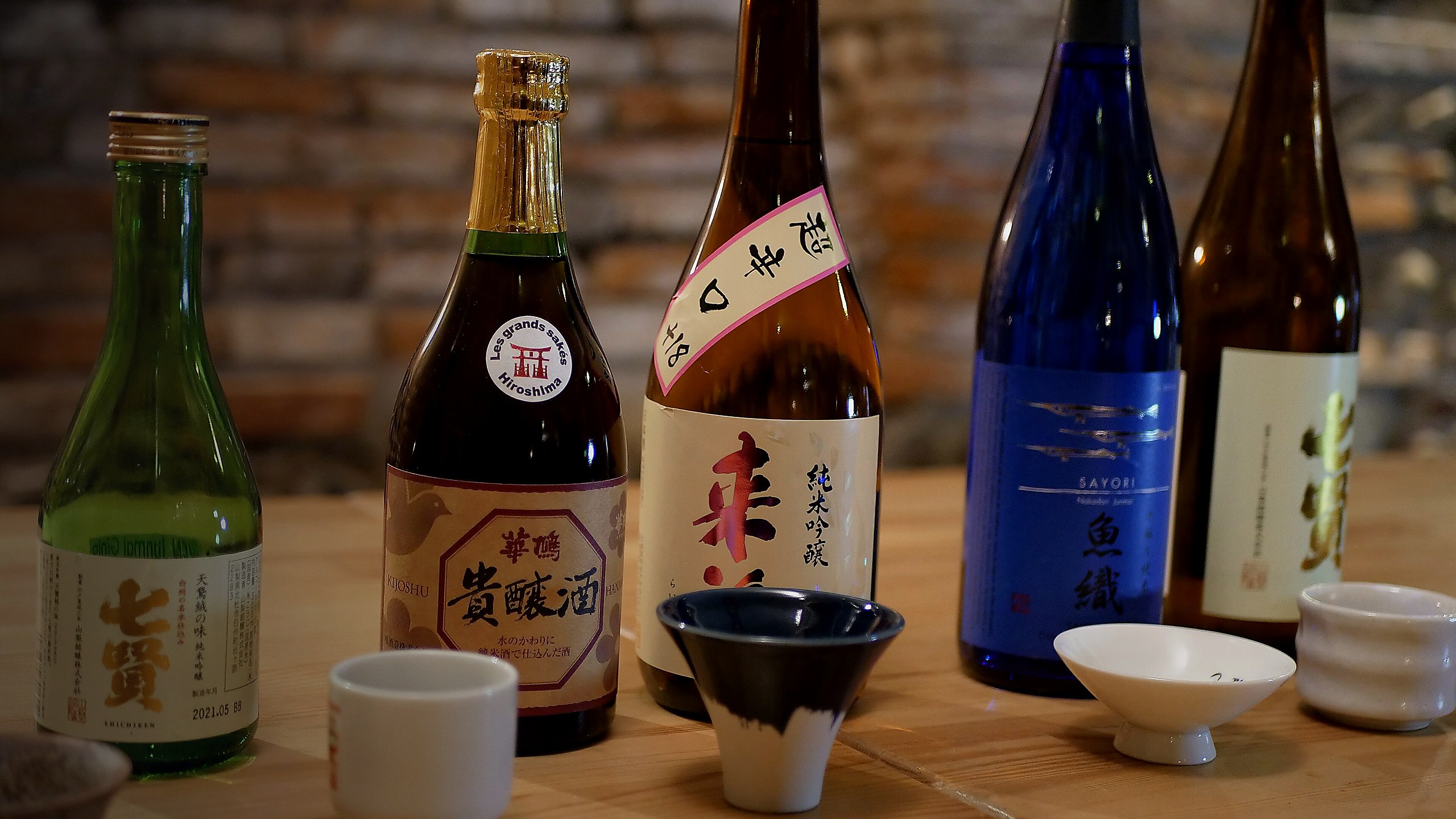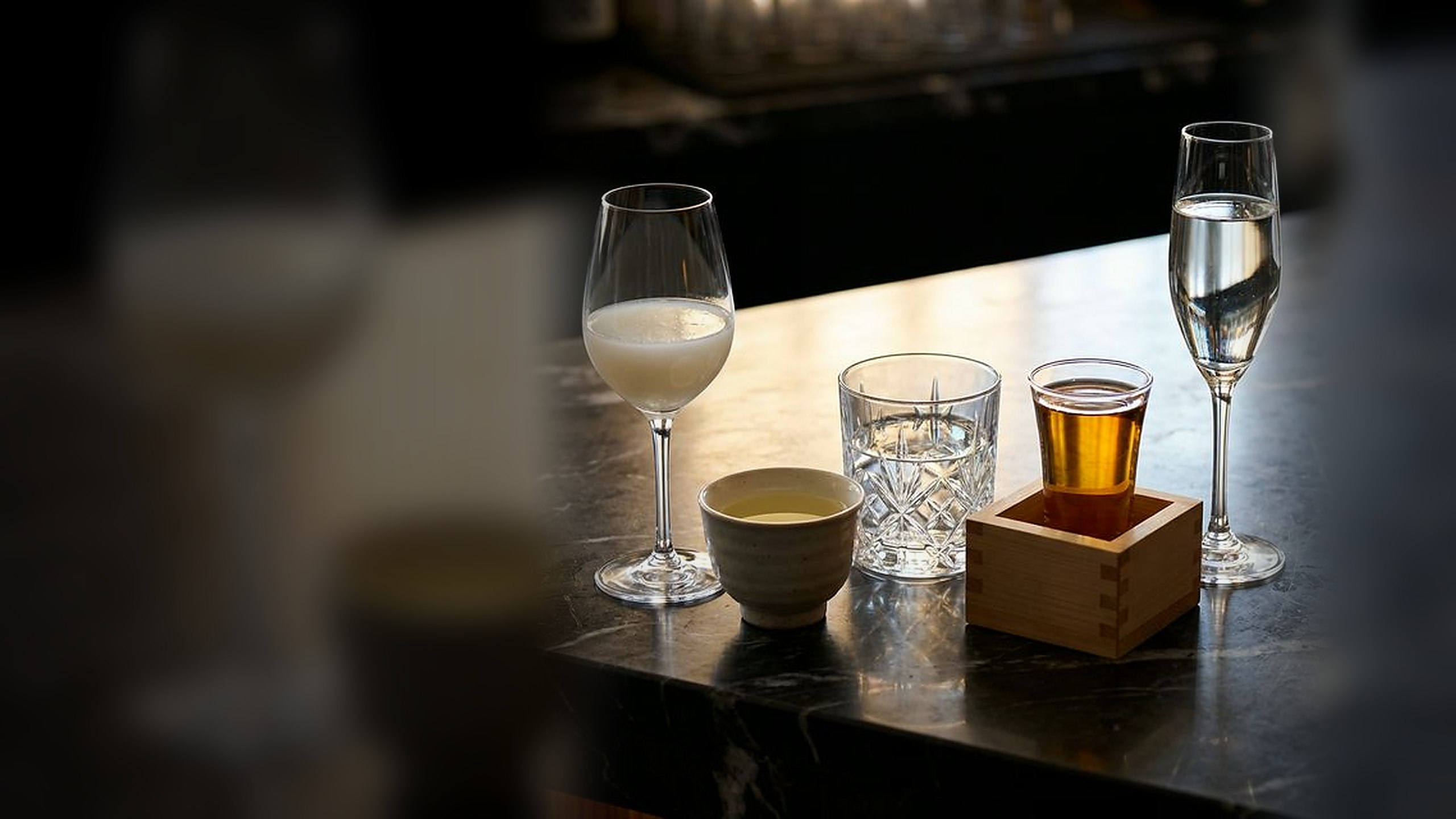
Roughly 80% of every bottle of sake is water. From snowbound Aizu in Fukushima and the ultra-soft mountain springs of Mie to Aichi, Chiba, Nagano, Nara, and Kyushu—here is how regional terroir shapes Japanese sake.
80% of Every Bottle Is Local Water — The Science of Soft vs. Hard Terroir
While wine is fermented from 100% grape juice, roughly 80% of finished sake consists of local spring or subterranean water (*shikomi-mizu*). How that water filters through granite, volcanic basalt, or limestone—and how winter snowpack regulates ambient cellar temperatures—shapes regional sake styles more profoundly than almost any other factor:
Here is SakeStream’s definitive map of Japan’s 10 Essential Sake Terroirs.
Japan’s 10 Essential Sake Terroirs: Watersheds, Geology & Water Hardness Matrix
| Sake Region | Primary Watershed & Geology | Water Type & Hardness (mg/L) | Fermentation & Flavor Signature | Benchmark Labels |
|---|---|---|---|---|
| 1. Fukushima (Aizu Basin) | Mt. Bandai & Iide snowmelt (volcanic sedimentary strata) | Soft to Med-Soft (~35–55 mg/L) | Slow cold fermentation; satin entry & noble rice spine | Gensai, Hiroki, Sharaku, Aizu Chujo |
| 2. Mie (Komono & Iga) | Suzuka Mountains (Mt. Shakagatake) granite springs | Ultra-Soft to Soft (~15–40 mg/L) | Weightless spring-water clarity & luminous fruit umami | Tabika, Jikon, Zaku |
| 3. Aichi (Mikawa & Owari) | Yahagi River & Sangane range granite/metamorphic springs | Soft (~25–45 mg/L) | Concentrated Yumeginka core & brisk 14% genshu acid | Ki-oku, Kamoshibito Kuheiji, Nito |
| 4. Chiba (Kujukuri & Boso) | Boso Hills artesian aquifers (marine shell & sand strata) | Med-Soft to Med-Hard (~50–85 mg/L) | Sunlit tropical aromatics & crisp coastal minerality | Kankiku Seijitsu / OCEAN99, Fudo, Kidoizumi |
| 5. Nara (Miwa & Gose) | Sacred Mt. Miwa granite/gabbro & Mt. Katsuragi deep wells | Med-Soft to Med-Hard (~40–110 mg/L) | Translucent 13% malic lift & vibrant nama spritz | Mimurosugi, Kaze no Mori, Shinomine |
| 6. Yamagata | Dewa Sanzan & Mt. Chokai heavy-snowmelt aquifers | Soft (~25–45 mg/L) | Hojun umakuchi royalty; floral nose & velvet sweetness | Juyondai, Dewa Zakura, Kudoki Jozu |
| 7. Akita | Shirakami & Ou Mountain sub-zero snowmelt springs | Soft (~20–45 mg/L) | Yeast No.6 × cedar-vat kimoto white-wine tension | Aramasa, Ippakusuisei, Yuki no Bijin |
| 8. Nagano (Shinshu Alps) | Sugadaira Highland & Northern Alps granite snowmelt | Soft (~25–50 mg/L) | High-altitude Alpine diamond clarity & delicate fizz | Shinshu Kirei, Masumi, Keiryu |
| 9. Hiroshima & Yamaguchi | Mt. Ryuo granite springs & Kikugawa karst-edge streams | Soft to Med-Soft (~25–60 mg/L) | Historic soft-water ginjo cradle; poised Muscat elegance | Ugo no Tsuki, Tenbi, Dassai |
| 10. Kyushu (Saga, Kumamoto, Fukuoka) | Mt. Tara, Chikugo River & Mt. Aso volcanic caldera springs | Soft to Med-Hard (~35–75 mg/L) | Lush southern orchard fruit & heirloom rice vitality | Nabeshima, Ubusuna, Tanaka 65, Shichida |
(Note: Hardness expressed in mg/L CaCO3 equivalent; for comparison, Hyogo’s famous Nada "Miyamizu" hard water measures ~110–180 mg/L.)
1. Fukushima Prefecture (Aizu Basin) — Snowbound Soft Water & The Gold-Medal Capital of Japan
2. Mie Prefecture (Komono, Iga & Ise) — Ultra-Soft Granite Springs & Juicy Purity
3. Aichi Prefecture (Mikawa & Owari) — Culinary Umami Meets 14% Genshu Innovation
4. Chiba Prefecture (Kujukuri Coast & Boso) — Pacific Sunlight & Modern Coastal Craft
5. Nara Prefecture (Miwa & Gose) — The Ancient Birthplace Leading Modern Natural Sake
6–10. Five More Essential Regions Every Collector Must Know
Sake’s Answer to French AOC — All 23 Official Geographical Indications (GI) Certified by Japan’s National Tax Agency
Just as France protects Champagne and Burgundy under AOC law, Japan’s National Tax Agency legally certifies regional water, rice provenance, and brewing standards under its Geographical Indication (GI) system (see the Official NTA GI Registry).
Anchored by the national umbrella designation GI Nihonshu (requiring 100% Japanese-grown rice brewed inside Japan) alongside pioneering regional GIs such as Hakusan, Yamagata, Nadagogo, Harima, Mie, Tone-Numata, Hagi, Saga, Nagano, Niigata, Shiga, Shinano-Omachi, Iwate, Shizuoka, Minamiaizu, Itami, Kitakata, and Aomori, the registry reached 23 official sake Geographical Indications nationwide following the simultaneous designation of GI Kyoto, GI Tottori, and GI Fukuoka on October 1, 2025:
Featured Breweries, Specs & Flavor Balance
| Flagship Label | Brewery & Region | Signature Rice & Water | Brewery Profile |
|---|---|---|---|
| Aizu | Aizu Shuzo Co., Ltd. (603 Anazawa, Nagata, Minamiaizu-machi, Minamiaizu-gun, Fukushima 967-0006, Japan) | Yumenoka, Fukunoka, Gohyakumangoku, Omachi, Yamadanishiki · Subsurface snowmelt water from Mt. Arakai in Okuaizu (ultra-soft water, hardness ~20 mg/L) | Brewery Profile |
| Nipponichi | Gochoda Shuzo (Ko 2081 Gochoda, Shiota-machi, Ureshino-shi, Saga 849-1425, Japan) | Estate-grown Yamada Nishiki (cultivated in-house since 1988), Gohyakumangoku, and Saganohana · Subterranean soft water from the Mt. Tara and Shiota River system | Brewery Profile |
| Gensai | Suehiro Sake Brewery Co., Ltd. (12-38 Nisshin-machi, Aizuwakamatsu-shi, Fukushima 965-0861, Japan) | Yumenoka, Fukunoka, Yamadanishiki, Gohyakumangoku, Kamenoo · Subsurface snowmelt soft water from Mt. Hakase and the Aizu Basin | Brewery Profile |
| Hiroki | Hiroki Shuzo Honten Co., Ltd. (Ko 3574 Shichuniban, Aizubange-machi, Kawanuma-gun, Fukushima 969-6543, Japan) | Yamadanishiki, Gohyakumangoku, Omachi, Fukunoka, Yumenoka · Subsurface snowmelt water from the Mt. Iide range in the Aizu Basin (soft water) | Brewery Profile |
| Aizu Chujo | Tsurunoe Sake Brewery Co., Ltd. (2-46 Nanukamachi, Aizuwakamatsu-shi, Fukushima 965-0044, Japan) | Yamadanishiki, Gohyakumangoku, Yumenoka, Fukunoka, Miyama Nishiki · Subsurface snowmelt soft water from the Mt. Bandai range in the Aizu Basin | Brewery Profile |
| Tabika | Hayakawa Sake Brewery Co. (468 Ojima, Komono-cho, Mie-gun, Mie 510-1323, Japan) | Kaminoho, Yamadanishiki, Omachi, Gohyakumangoku · Subsurface water from Mount Shakagatake in the Suzuka Mountains (soft water) | Brewery Profile |
| Jikon | Kiyasho Sake Brewery Co., Ltd. (314-1 Honmachi, Nabari-shi, Mie 518-0726, Japan) | Yamadanishiki, Aiyama, Omachi, Hattannishiki, Senbonnishiki · Subsurface water from the Nunobiki mountain range (brewery well water, soft water) | Brewery Profile |
| Kioku | Yamazaki & Co. (Sonnoh Kuramoto) (57 Kakita, Nishihazu-cho, Nishio-shi, Aichi 444-0703, Japan) | Aichi-grown Yumesansui, Yumeginga, Yamada Nishiki · Subterranean water from the Mt. Sangane range (soft water) | Brewery Profile |
| Kamoshibito Kuheiji | Banjo Jozo Co., Ltd. (41 Nishimonden, Odaka-cho, Midori-ku, Nagoya-shi, Aichi 458-0822, Japan) | Estate-grown Yamada Nishiki from Kurodasho (Hyogo), Omachi from Akaiwa (Okayama) · Granite spring water from the foot of Mt. Chausu at 600m elevation in Nagano (soft water) | Brewery Profile |
| Nito | Maruishi Jozo Co., Ltd. (6-3-3 Nakamachi, Okazaki-shi, Aichi 444-0015, Japan) | Yamada Nishiki, Omachi, Aiyama, Banzai, Yumesansui · Yahagi River basin subterranean water (soft water) | Brewery Profile |
Known locally as Kinmon Aizu, this heritage label has served the mountain communities of Minamiaizu since 1688 with a clean, comforting profile. Brewed by Aizu Shuzo Co., Ltd. in Fukushima using Subsurface snowmelt water from Mt. Arakai in Okuaizu (ultra-soft water, hardness ~20 mg/L) and Yumenoka, Fukunoka, Gohyakumangoku, Omachi, and Yamada Nishiki, it brings together lively micro-effervescence with memorable poise.
A heritage label from Ureshino's Gochoda Shuzo (makers of Azumaichi) in Saga, 'Nipponichi' combines soft Mt. Taradake spring water with estate-grown Yamada Nishiki for plush umami and a clean finish.
Named in honor of Harunaka (Gensai) Tanaka—the visionary Edo-period chief retainer who reformed the Aizu domain and elevated its brewing craft—Gensai represents the pinnacle of Suehiro Shuzo's Daiginjo artistry. Brewed with Special A-grade Yamadanishiki polished to 35%–40%, it delivers regal orchard-fruit aromatics, gossamer silkiness, and a poised finish worthy of celebratory kaiseki banquets.
Named 'Droplets of Joy Flying Forth,' 9th-generation brewer Kenji Hiroki ignited Japan's unfiltered unpasteurized (muroka nama genshu) boom and propelled Fukushima to national acclaim. Combining polished Yamadanishiki for mid-palate depth and Gohyakumangoku for crisp structure, it delivers fresh lychee and pear aromatics with vibrant acidity that pairs effortlessly with seasonal sashimi and charcoal-grilled yakitori.
Brewed since 1794 by Tsurunoe Shuzo in Aizuwakamatsu and named after the court title of feudal lord Katamori Matsudaira, Aizu Chujo embodies samurai-town dignity and precision. Combining soft Aizu snowmelt water with Gohyakumangoku, Yumenoka, and Yamadanishiki rice, it offers refined aromatics, plush mid-palate umami, and a poised finish that pairs beautifully with basashi (horse sashimi) and seasonal sashimi.
Handcrafted by a tiny family team in Komono, Mie using ultra-soft Mt. Shakagatake snowmelt water and 100% gentle fune (box) pressing, Tabika is celebrated for its pillowy, rounded sweetness. Brewed with local Kaminoho, Omachi, and Yamada Nishiki, its soothing umami and gentle acidity pair beautifully with dashi-steamed clams and seasonal washoku.
Named after the Zen phrase 'living fully in the present moment,' Jikon by 6th-generation brewer Tadakatsu Onishi in Nabari, Mie stands at the absolute summit of modern sake. Radiant muscat and white peach aromatics, crystalline Nunobiki mountain soft-water sweetness, and electric acidity achieve a golden-ratio balance that enchants on its own or alongside Matsusaka Wagyu and fine sushi.
Created by 6th-generation kuramoto-toji Masayuki Yamazaki at Yamazaki Goshi Kaisha in Nishio, Aichi, 'Kioku' weaves the brewery's iconic 'Oku' heritage with memories of his late father into a modern low-ABV vision. Fermented slowly at low temperatures with soft Mt. Sangane water and Aichi-grown Yumesansui and Yumeginga rice, this 14% ABV genshu delivers crystalline white peach and Shine Muscat aromatics with brisk, juicy acidity. Pair it with Mikawa Bay sea bream carpaccio, unagi shirayaki (white-grilled eel) from Isshiki, or seasonal fruit shira-ae.
Farming its own Yamada Nishiki in Kurodasho, Hyogo—and also operating Domaine Kuheiji in Burgundy—Banjo Jozo in Nagoya revolutionized sake with estate terroir and vintage expression. Elegant white peach and citrus aromatics, fine micro-effervescence, taut acidity, and savory mineral bitters make Kamoshibito Kuheiji a fixture on Michelin three-star French wine lists.
Launched in 2015 by 1690-founded Maruishi Jozo in Okazaki under the motto 'Only those who chase two rabbits catch both,' Nito reconciles seemingly opposite traits: richness and lightness, aroma and palate, acidity and umami. Showcasing Yamada Nishiki, Omachi, Banzai, and Aiyama with juicy vibrancy and a crisp finish, it excels from first toast to final course.
Recommended Pairing
Weekly Sake & Tasting Dispatch
Curated seasonal releases, sub-zero arrivals, and tasting city guides across global editions.