[Craft Sake Frontier 2026] Ine to Agave, haccoba, Pukupuku Brewing & LIBROM — Breaking Japan’s 70-Year Licensing Freeze Toward December’s Inaugural WORLD CRAFT SAKE AWARD
Brewery Story

[Craft Sake Frontier 2026] Ine to Agave, haccoba, Pukupuku Brewing & LIBROM — Breaking Japan’s 70-Year Licensing Freeze Toward December’s Inaugural WORLD CRAFT SAKE AWARD

2026-11-119min readSakeStream
Back
EXECUTIVE SUMMARY & KEY TAKEAWAYS

Locked out by Japan’s 70-year freeze on new domestic seishu licenses, a fearless generation of young brewers forged an entirely new genre—"Craft Sake"—marrying rice and koji with hops, fruit, and botanicals. Ahead of the inaugural WORLD CRAFT SAKE AWARD on December 6, 2026 in Takanawa Gateway, meet the five breweries leading the movement.

Key Sections in This Report:

Outsmarting a 70-Year Freeze: How Japan’s Liquor Tax Law Accidentally Sparked "Craft Sake"

When international winemakers or craft brewers first learn about Japan’s licensing laws, they are invariably stunned. Since 1953, Article 10’s supply-and-demand adjustment clause in Japan’s Liquor Tax Act has effectively frozen the issuance of new domestic manufacturing licenses for seishu (legally defined traditional sake) for more than seven decades—originally designed to prevent post-war overproduction and protect existing tax revenues.

No matter how brilliant a young Toji might be, launching a brand-new domestic sake brewery from scratch was legally impossible without acquiring a distressed legacy license via M&A. In the early 2020s, however, enterprising young brewers unlocked two ingenious legal pathways through that 70-year wall.

First, by employing traditional rice, koji, and multiple parallel fermentation—but infusing botanical adjuncts such as hops, seasonal fruits, herbs, or agave into the mash right before pressing—brewers qualify for an "Other Brewed Liquors" (*sonota no jozoshu*) license, which carries no supply-demand freeze. Second, in April 2021, Japan’s National Tax Agency introduced the Export-Only Sake Manufacturing License, allowing new startups to brew pure, adjunct-free Junmai solely for overseas markets.

In 2022, Shuhei Okazumi (founder of Ine to Agave, serving as Chairman) and Taisuke Sato (founder of haccoba, serving as Vice Chairman) established the Japan Craft Sake Brewery Association (JCSBA). What began as a regulatory workaround quickly blossomed into a thrilling new gastronomic category—Craft Sake—capable of aromatic and acidic profiles forbidden under strict seishu law, even inspiring National Strategic Special Zone deregulation proposals in Oga City, Akita.
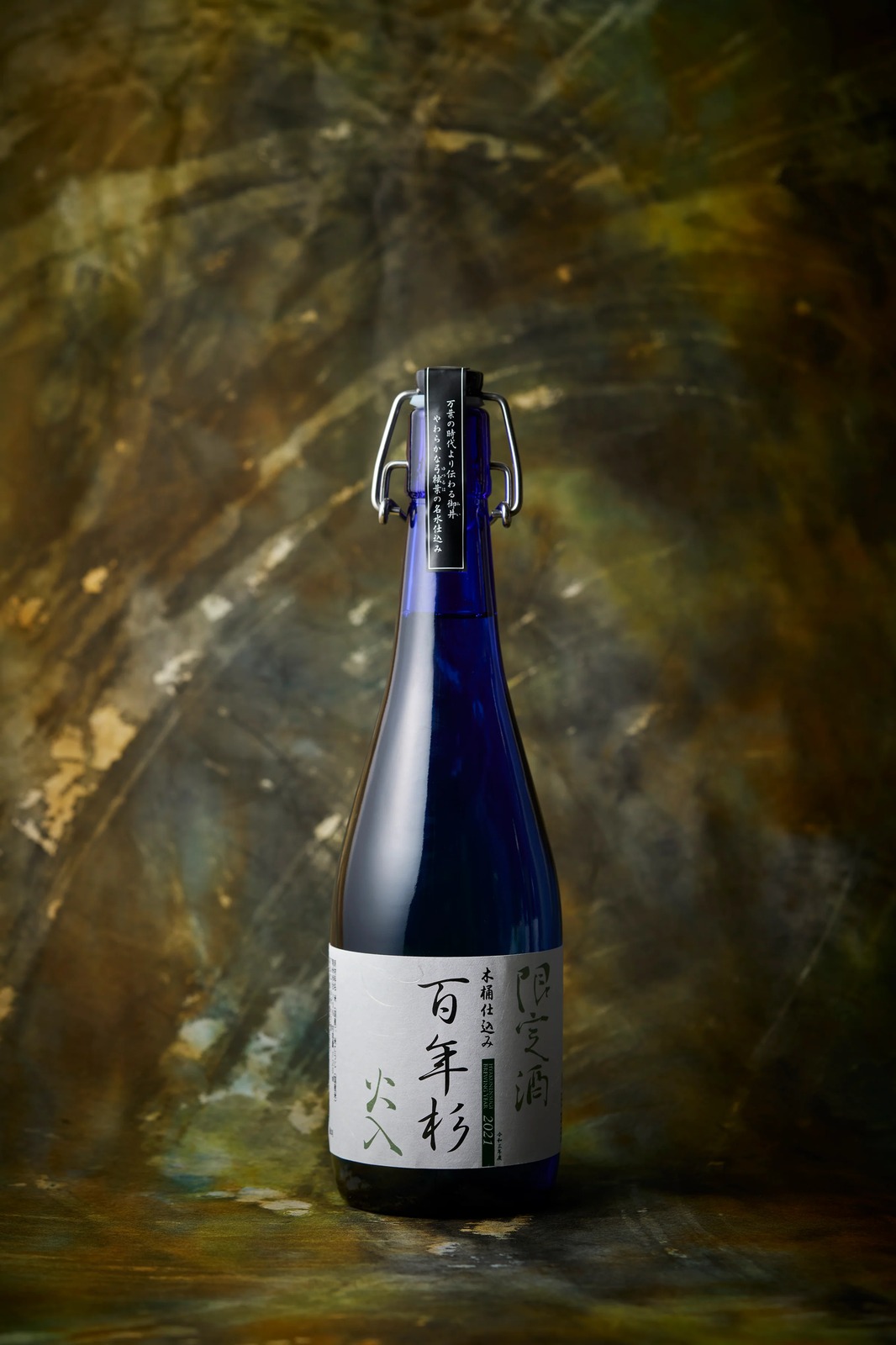
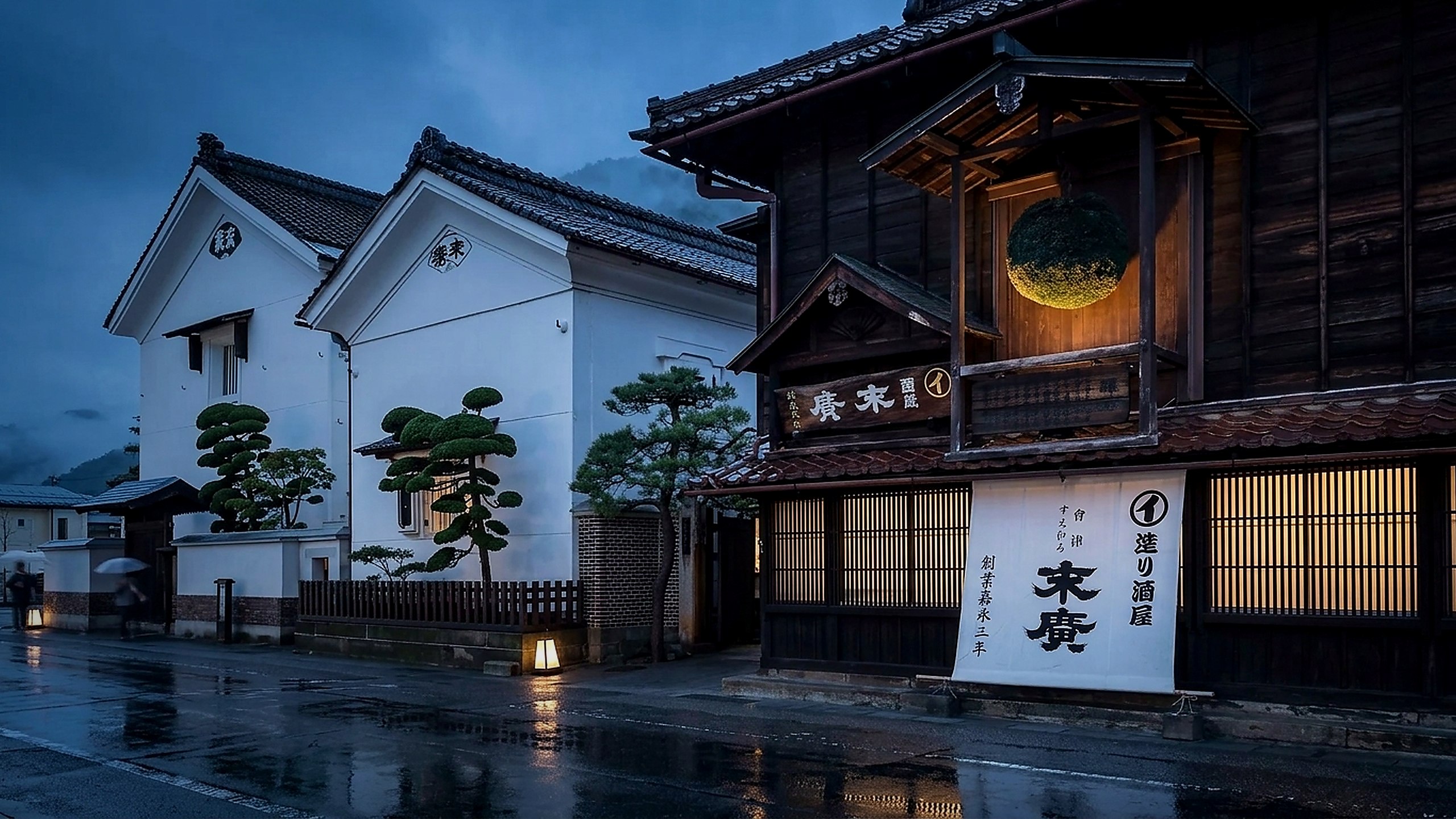
Bridging modern craft fermentation with heritage wooden-vat culture

History in the Making on December 6, 2026: The Inaugural "WORLD CRAFT SAKE AWARD"

This movement reaches a historic milestone on Sunday, December 6, 2026, when Tokyo’s newly minted TAKANAWA GATEWAY Convention Center hosts the inaugural WORLD CRAFT SAKE AWARD 2026—the world’s first international blind competition dedicated to Craft Sake.

Entries from across Japan and overseas breweries will compete across three official divisions—SAKE Division (pressed botanical and origarami craft sakes), DOBUROKU Division (unfiltered farmhouse and modern doburoku), and PREMIUM Division (barrel-aged, kioke, and prestige cuvées)—while the adjacent NEWoMan Takanawa Plaza hosts the public tasting festival Shojoen in Takanawa 2026 across December 5–6, 2026.


Five Defining Craft Sake Breweries in Japan: Master Comparison

BreweryLocation & FounderSignature Technique & BotanicalsFlagship Bottling (JP Retail)Taproom & Experience
Ine to AgaveOga, Akita (Shuhei Okazumi)Natural-farmed 90%-polish rice × hops*Koshu Hanakaze* (720ml ~¥2,750)Former rail-station brewery + town auberge
haccobaOdaka & Namie, Fukushima (Taisuke Sato)Revived Tohoku Hanamoto hop-doburoku*Hanamoto* (500ml ~¥2,420)Glass-walled coastal revival brewpub
Pukupuku BrewingMinamisoma, Fukushima (Tetsuya Tachikawa)Dry-hopping × sour ale fermentation*Hop Sake / Sour Series* (500ml ~¥2,310)Modern hazy-IPA meets silky nigori
LIBROMTakasago, Chuo-ku, FukuokaFukuoka Amaou strawberry, lemon & mint*Amaou / Lemon Mint* (500ml ~¥2,640)Urban brewpub & tapas bar (huge Korean following)
Heiwa Doburoku KabutochoNihonbashi Kabutocho, TokyoFresh-tapped urban micro-doburoku by KID*Kabutocho Doburoku* (720ml ~¥2,200+)Financial-district microbrewery & standing bar

Inside the Five Flagship Breweries Vying for the Inaugural Crown

#1

Ine to Agave (Oga City, Akita — Shuhei Okazumi)

Lineage & Launch
Founded in autumn 2021 near Oga Station by Aramasa Shuzo alumnus Shuhei Okazumi (Ine to Agave Official)
Flagship & Pricing
*Koshu Hanakaze (720ml ~¥2,750 tax incl.), DOBUROKU* / ₩78,000–₩105,000 in Seoul natural wine bars; ~$55–$75 USD
Fermentation Ethos
Low-intervention 90%-polish pesticide-free rice + zero-waste upcycling of rice bran into food products
Optimal Service
10–14°C in a white wine glass

The undisputed standard-bearer of Japanese Craft Sake. Brewed solely from natural-farmed Akita rice, koji, water, and hops, Koshu Hanakaze bursts with muscat grape and lychee aromatics before snapping dry on an Aramasa-honed lactic spine. Beyond the cellar, Okazumi has turned depopulated Oga City into a fermentation Mecca—launching restaurants, a distillery, ramen shops, and an auberge.

#2

haccoba -Craft Sake Brewery- (Minamisoma & Namie, Fukushima — Taisuke Sato)

Launch & Mission
Opened in 2021 in Odaka (a former 2011 evacuation zone) with a second brewery in Namie in 2023
Flagship & Pricing
*Hanamoto* (500ml ~¥2,420 tax incl.) / ₩65,000–₩88,000 in Seoul; ~$45–$62 USD
Heritage Revival
Modern resurrection of Tohoku’s centuries-old farmhouse Hanamoto (hop-infused doburoku) tradition
Optimal Service
8–12°C in a tulip stem

Guided by the motto "Make brewing freer," Taisuke Sato revived Tohoku’s nearly lost Hanamoto farmhouse method. Layering aromatic citrus hops and gentle bitterness atop plump rice sweetness and white-koji citric brightness, Hanamoto pairs effortlessly with wood-fired meats, Thai curries, and spiced cuisine.

#3

Pukupuku Brewing (Minamisoma, Fukushima — Tetsuya Tachikawa)

Origins
Founded in coastal Fukushima by Tetsuya Tachikawa, uniting haccoba sake training with craft beer science
Flagship & Pricing
Dry-hopped & sour Craft Sake releases (500ml ¥2,200–¥2,640 tax incl.)
Flavor Profile
Hazy IPA dry-hopping aromatics married to tropical koji acidity
Optimal Service
6–10°C in a stemmed craft beer or tulip glass

Importing dry-hopping and kettle-souring sensibilities directly into parallel rice fermentation, Pukupuku Brewing unleashes passionfruit, guava, and citrus explosions over pillowy nigori texture—converting craft beer devotees into sake fans overnight.

#4

LIBROM Craft Sake Brewery (Takasago, Chuo-ku, Fukuoka)

Urban Brewpub
Tucked into Fukuoka’s stylish Takasago neighborhood minutes from Tenjin (LIBROM Official)
Flagship & Pricing
Botanical sakes infused with Fukuoka Amaou strawberries, Itoshima lemon & fresh mint (500ml ¥2,420–¥2,970)
Travel Appeal
Glass-walled fermentation tanks paired with Kyushu tapas—a runaway favorite among visitors from Seoul and Taipei
Optimal Service
6–10°C as an aperitif or dessert pairing

Co-founded by a classically trained Yanagawa sake brewer, LIBROM steeps peak-harvest Kyushu fruits and herbs directly at the end of fermentation with zero artificial flavoring. Just 15 minutes from Fukuoka Airport, its taproom is one of Kyushu’s most vibrant culinary stops.

#5

Heiwa Doburoku Kabutocho Brewery (Nihonbashi Kabutocho, Tokyo — Heiwa Shuzo)

Parent Brewery
Created in 2022 by Wakayama’s acclaimed Heiwa Shuzo (makers of KID) in Tokyo’s revitalized financial district
Flagship & Pricing
Fresh Kabutocho Doburoku (Plain, Red Bean, Seasonal Fruit, Hopped; 720ml ¥2,200–¥2,750)
Optimal Service
6–8°C freshly tapped on-site with lively natural fizz

Right beside the Tokyo Stock Exchange, master brewers behind KID pour tank-fresh doburoku daily. Precision koji work banishes any rustic heaviness, yielding a cloud-light, effervescent texture that makes Nihonbashi Kabutocho essential pre-gaming before December’s WORLD CRAFT SAKE AWARD in Takanawa.

1,215 Breweries · 2,891 Labels · Neutral Archive
Linked from 1,215 Breweries · 2,891 Labels · 8,673 Reviews

Featured Breweries, Specs & Flavor Balance

Flagship LabelBrewery & RegionSignature Rice & WaterBrewery Profile
Ine to AgaveIne to Agave Inc. (1-21 Shinhamacho, Funakawa, Funakawaminato, Oga-shi, Akita 010-0511, Japan)100% Natural-Farming (Fertilizer-Free & Pesticide-Free) Akita Rice (Sasanishiki, Kamenoo, Akita Sakekomachi, Rikuu No. 132) · Mount Kanpu Takinokashira Natural Spring Water (Oga Peninsula Soft Water)Brewery Profile
LIBROMLIBROM Craft Sake Brewery (Bonheur Takasago 103, 1-21-27 Takasago, Chuo-ku, Fukuoka-shi, Fukuoka 810-0011, Japan)Fukuoka Yamada Nishiki, Yumeikkon & Local Fukuoka Botanicals and Fruits · Purified Fukuoka Municipal Brewing Water (Medium-Soft Water)Brewery Profile
NihonbashiYokota Shuzo Co., Ltd. (2-29-3 Sakuracho, Gyoda-shi, Saitama 361-0022, Japan)Yamada Nishiki, Sake Musashi, Miyama Nishiki, Gohyaku Mangoku · Tone & Arakawa River Basin Deep Subterranean Soft WaterBrewery Profile
KeichoHeiwa Shuzo Limited Partnership (698 Higashigumicho, Fushimi-ku, Kyoto-shi, Kyoto 612-8063, Japan)Yamadanishiki, Iwai, Gohyakumangoku · Famous Fushimi Water, Momoyama Hills Subsurface Water (medium-soft water)Brewery Profile
KIDHeiwa Shuzo Co., Ltd. (119 Mizonokuchi, Kainan City, Wakayama 640-1172, Japan)Hyogo & Estate-Grown Yamada Nishiki, Gohyakumangoku, Omachi · Mt. Koya & Kishigawa River Subterranean Soft WaterBrewery Profile
AramasaAramasa Co., Ltd. (6-2-35 Omachi, Akita-shi, Akita 010-0921, Japan)Pesticide-Free & Estate-Grown Akita Rice (Kairyo Shinko, Rikuu No. 132, Misato Nishiki, Akita Sakekomachi) · Mount Taihei Subterranean Soft Water (Akita City)Brewery Profile
YamamotoYamamoto Brewery Co., Ltd. (269 Hachimori, Hachimori, Happo-cho, Yamamoto-gun, Akita 018-2678, Japan)Akita Sakekomachi, Misato Nishiki, Ginnosei, Kamenoo (Including Estate-Grown Rice) · Shirakami-Sanchi UNESCO World Heritage Natural Spring Water (Direct 3km Pipeline Ultra-Soft Water)Brewery Profile
MeimonMeimon Sakai Co., Ltd. (2-1045 Takagushi, Uwajima-shi, Ehime 798-0020, Japan)Ehime Matsuyama Mii & Shizukuhime · Mt. Onigajo Range Subterranean Soft WaterBrewery Profile
1-21 Shinhamacho, Funakawa, Funakawaminato, Oga-shi, Akita 010-0511, Japan · Ine to Agave Inc. (Est. 2021)
Ine to Agave花グレープフルーツガス
Mount Kanpu Takinokashira Natural Spring Water (Oga Peninsula Soft Water) 100% Natural-Farming (Fertilizer-Free & Pesticide-Free) Akita Rice (Sasanishiki, Kamenoo, Akita Sakekomachi, Rikuu No. 132) Ambient Kura-tsuki Wild Yeast (No Added Yeast) & Kyokai Yeasts

Founded in Oga City in 2021 by Shuhei Okazumi (an alumnus of Aramasa), Ine to Agave pioneered Japan's 'Craft Sake' movement while spearheading rural revitalization on the Oga Peninsula. Brewing with minimally polished (often 90%) pesticide-free Akita rice co-fermented with botanicals like hops, agave, and local fruits, it achieves natural-wine-like acidity and earthy complexity that shine with fermentation-forward gastronomy.

Flavor Balance (1–5 Rice Grains)Shows which flavor direction the balance leans toward (1 to 5 rice grains), never a quality rank or score.
Serving & Glassware:Recommended Temperature: 10–13°C (Chilled / Hanabie to Suzubie) / Recommended Glassware: Thin-rimmed, medium-bowled white wine glass (such as Riedel O Daiginjo). Avoid over-chilling below 6°C so the delicate esters are not muted. Upon pouring, experience crystalline purity from Mount Kanpu Takinokashira Natural Spring Water (Oga Peninsula Soft Water) and lifted orchard-fruit aromatics; after 15 minutes as the glass warms to 14°C, silky 100% Natural-Farming (Fertilizer-Free & Pesticide-Free) Akita Rice (Sasanishiki, Kamenoo) mid-palate umami opens gracefully.
Global Gastronomy Pairings
• Kelp-cured Oga Peninsula wild sea bream and chilled Akita junsai water-shield in dashi gelee
• Dry-aged Korean wild sea bream hoe and chilled king prawn salad (daeha-naengchae) in pine-nut sauce
• Wild sea bream carpaccio with bergamot olive oil, shaved bottarga, and micro herbs
“My first sip of 'Ine to Hop' and 'Ine to Koji' was a revelation: 90%-polished natural-farming rice yielding intense sweet-tart depth fused with bright citrusy hop aromatics—a whole new frontier for rice fermentation.”
Domestic Review · SAKETIME / 国内口コミクラフトサケ探求者
“The most talked-about Japanese producer among natural wine sommeliers in Copenhagen and Paris. Its low-polish rice texture and wild lactic energy captivate fans of skin-contact wine and pet-nat.”
Global Sommelier · Vivino / Natural Wine & Craft SakeSoren K.
“Visited their restaurant 'Tsuchi to Kaze' in Oga! Drinking brewery-exclusive batches of Ine to Agave paired with local Oga Peninsula seafood was a genuinely life-changing gastronomic experience.”
SNS Buzz · X (Twitter) / Instagram@oga_craft_journey
Bonheur Takasago 103, 1-21-27 Takasago, Chuo-ku, Fukuoka-shi, Fukuoka 810-0011, Japan · LIBROM Craft Sake Brewery (Est. 2020)
LIBROMレモンガスハーブ
Purified Fukuoka Municipal Brewing Water (Medium-Soft Water) Fukuoka Yamada Nishiki, Yumeikkon & Local Fukuoka Botanicals and Fruits Kyokai Yeasts (No. 7, No. 9, No. 901 Strains)

Founded in 2020 with a combined microbrewery and taproom bar in Takasago, Chuo-ku, Fukuoka City, LIBROM ('Liberty + Romance') pioneers urban botanical and fruit craft sake. Fermenting Fukuoka-grown Yamada Nishiki and Yumeikkon rice alongside local Kyushu ingredients like Amaou strawberries, lemon verbena, edible flowers, and cacao, it delivers vibrant, sweet-tart, aromatic pours that shine with fruit caprese, prosciutto, and desserts.

Flavor Balance (1–5 Rice Grains)Shows which flavor direction the balance leans toward (1 to 5 rice grains), never a quality rank or score.
Serving & Glassware:Recommended Temperature: 10–13°C (Chilled / Hanabie to Suzubie) / Recommended Glassware: Thin-rimmed, medium-bowled white wine glass (such as Riedel O Daiginjo). Avoid over-chilling below 6°C so the delicate esters are not muted. Upon pouring, experience crystalline purity from Purified Fukuoka Municipal Brewing Water (Medium-Soft Water) and lifted orchard-fruit aromatics; after 15 minutes as the glass warms to 14°C, silky Fukuoka Yamada Nishiki, Yumeikkon & Local Fukuoka Botanicals and Fruits mid-palate umami opens gracefully.
Global Gastronomy Pairings
• Live-cut Genkai Sea spear squid (yari-ika) sashimi and Hakata sesame-dressed mackerel (gomasaba)
• Jeju silver belt-fish sashimi and delicate pan-fried scallop & cod jeon with citrus soy
• Wild sea bream carpaccio with bergamot olive oil, shaved bottarga, and micro herbs
“Tasted LIBROM's signature Lemon Verbena at their brewery bar. Gentle rice sweetness and a plush texture fuse seamlessly with bright herbal coolness and lemony acidity. A knockout with Italian antipasti.”
SNS Buzz ·
“Brewed in the heart of Fukuoka City, LIBROM leads Japan's new-wave craft sake movement by co-fermenting local farm-direct fruits and botanicals with sake mash. A revelation for fans of natural wine and craft cocktails.”
SNS Buzz ·
“Tried the seasonal Amaou Strawberry and Cacao Mint flights at LIBROM in Takasago! Deep rice fermentation meets vibrant fruit and botanical aromatics—an absolute must-visit spot in Fukuoka.”
SNS Buzz ·
2-29-3 Sakuracho, Gyoda-shi, Saitama 361-0022, Japan · Yokota Shuzo Co., Ltd. (Est. 1805)
Nihonbashi食中酒旨味バランス
Tone & Arakawa River Basin Deep Subterranean Soft Water Yamada Nishiki, Sake Musashi, Miyama Nishiki, Gohyaku Mangoku Saitama Prefectural Yeast & Kyokai Yeasts (No. 1801 & No. 901)

Founded in 1805 in the castle town of Gyoda City, Saitama Prefecture, by an Omi merchant founder, Yokota Shuzo brews its historic flagship 'Nihonbashi'—named in tribute to the bustling heart of Edo—using deep subterranean soft water from the Tone and Arakawa river systems and Yamada Nishiki, Saitama Sake Musashi, Miyama Nishiki, and Gohyakumangoku rice. Guided by Nanbu Toji craftsmanship, it marries poised aromatics with a velvety soft-water entry, rounded rice umami, and a clean, balanced finish. It pairs wonderfully with broiled eel, duck-and-scallion hotpot, and crisp tempura.

Flavor Balance (1–5 Rice Grains)Shows which flavor direction the balance leans toward (1 to 5 rice grains), never a quality rank or score.
Serving & Glassware:Recommended Temperature: 10–14°C (Cool Chilled / Hanabie to Suzubie) / Recommended Glassware: Thin-rimmed white wine stem (Riedel O Daiginjo) or stemmed porcelain cup. At 10°C upon opening, enjoy the crystalline poise of Tone & Arakawa River Basin Deep Subterranean Soft Water and refined aromatics; after 15 minutes as it warms toward 14°C, three-dimensional Yamada Nishiki, Sake Musashi, Miyama Nishiki, Gohyaku Mangoku umami and balanced acidity expand to bridge sashimi and roasted main courses.
Global Gastronomy Pairings
• Edomae sillago and Saitama heirloom vegetable tempura with irizake and seaweed salt
• Kelp-aged Namhae wild flounder sashimi wrapped in roasted gamtae seaweed with fresh sea urchin
• Crispy-skinned sea bass poêlé in a delicate clam, saffron, and citrus nage broth
“Tasted Yokota Shuzo's 'Nihonbashi' Tokubetsu Junmai and Junmai Ginjo. Deep soft water from the Tone and Arakawa basins gives a remarkably smooth entry, unfolding into refined Yamada Nishiki and Sake Musashi umami—superb with salt-grilled eel and tempura.”
Domestic Review · SAKETIME 埼玉レビュー武蔵国の酒めぐり
“A 220-year-old Gyoda benchmark that has long supplied Edo and Tokyo tables. Its silky soft-water texture and calm acidity harmonize all-around with sushi, buckwheat soba, and yakitori.”
Global Sommelier · Edo Tradition & Saitama SakeRaymond Vance
“Visited Yokota Shuzo after touring Oshi Castle in Gyoda! Their 'Nihonbashi' nama genshu showed such smooth sweet umami and crisp poise that you can immediately taste the mastery of a 220-year brewery.”
SNS Buzz · X (旧Twitter) 埼玉地酒探訪@gyoda_oshijo_sake
698 Higashigumicho, Fushimi-ku, Kyoto-shi, Kyoto 612-8063, Japan · Heiwa Shuzo Limited Partnership (Est. 1744)
Keicho食中酒旨味バランス
Famous Fushimi Water, Momoyama Hills Subsurface Water (medium-soft water) Yamadanishiki, Iwai, Gohyakumangoku Kyokai Yeast, Kyoto Yeast

Founded in 1744 during the Enkyo era in Kyoto's famed Fushimi brewing district, Keicho is the flagship of Heiwa Shuzo Goshi Kaisha—a 280-year-old heritage kura whose small-batch production is consumed almost entirely within Kyoto, making it a rare find outside the ancient capital. Brewed with Fushimi's prized medium-soft Momoyama hill subterranean water and Yamada Nishiki, Iwai, and Gohyakumangoku rice, it embodies classic Fushimi 'Onna-zake' grace: silky, rounded, and gently savory alongside Kyoto yudofu tofu hot pot, blanched hamo pike conger, and grilled tilefish.

Flavor Balance (1–5 Rice Grains)Shows which flavor direction the balance leans toward (1 to 5 rice grains), never a quality rank or score.
Serving & Glassware:Recommended Temperature: 10–14°C (Cool Chilled / Hanabie to Suzubie) / Recommended Glassware: Thin-rimmed white wine stem (Riedel O Daiginjo) or stemmed porcelain cup. At 10°C upon opening, enjoy the crystalline poise of Famous Fushimi Water, Momoyama Hills Subsurface Water (medium-soft water) and refined aromatics; after 15 minutes as it warms toward 14°C, three-dimensional Yamadanishiki, Iwai, Gohyakumangoku umami and balanced acidity expand to bridge sashimi and roasted main courses.
Global Gastronomy Pairings
• Kyoto kaiseki dashi soup of Tango tilefish & fresh yuba with blanched hamo pike conger and plum puree
• Kelp-aged Namhae wild flounder sashimi wrapped in roasted gamtae seaweed with fresh sea urchin
• Pan-seared Hokkaido diver scallops over cauliflower velouté with toasted hazelnut brown butter
“Keicho Junmai Ginjo. Supple, velvety entry from Fushimi's Momoyama subterranean water with understated ginjo aromatics. A graceful companion that never overpowers simmered Kyoto vegetables or yudofu dashi.”
Domestic Review · SAKETIME / 国内口コミfushimi_mizu_walk
“A 280-year-old Fushimi secret brewed in small quantities for local Kyoto tables. Gently warmed to nurukan, its silky rice sweetness blossoms beautifully.”
Global Sommelier · Vivino / Fine Wine & SakeClaire_B_Paris
“Discovered Heiwa Shuzo's Keicho Shiboritate Nama Genshu on a Fushimi brewery walk! Usually a serene Fushimi 'Onna-zake,' the fresh winter pressing shows vibrant, juicy energy.”
SNS Buzz · X (Twitter) / Reddit r/Sake@kyoto_sake_sanpo
119 Mizonokuchi, Kainan City, Wakayama 640-1172, Japan · Heiwa Shuzo Co., Ltd. (Est. 1928)
KIDフルーティガス甘味
Mt. Koya & Kishigawa River Subterranean Soft Water Hyogo & Estate-Grown Yamada Nishiki, Gohyakumangoku, Omachi Kyokai No. 9 & No. 1801 Yeast Blend

Crafted in Kainan, Wakayama by Heiwa Shuzo (founded 1928) under proprietor Norimasa Yamamoto and Master Brewer Takaaki Shibata, KID ('Kishu Terroir' + youthful spirit) is an IWC Champion Brewery winner. Ultra-soft Kishigawa subsurface water and prized Yamadanishiki, Gohyakumangoku, and Omachi rice create feather-light white peach and melon aromatics with a silky, luminous finish that pairs effortlessly with sashimi, crudo, and tempura.

Flavor Balance (1–5 Rice Grains)Shows which flavor direction the balance leans toward (1 to 5 rice grains), never a quality rank or score.
Serving & Glassware:Recommended Temperature: 10–13°C (Chilled / Hanabie to Suzubie) / Recommended Glassware: Thin-rimmed, medium-bowled white wine glass (such as Riedel O Daiginjo). Avoid over-chilling below 6°C so the delicate esters are not muted. Upon pouring, experience crystalline purity from Mt. Koya & Kishigawa River Subterranean Soft Water and lifted orchard-fruit aromatics; after 15 minutes as the glass warms to 14°C, silky Hyogo & Estate-Grown Yamada Nishiki, Gohyakumangoku, Omachi mid-palate umami opens gracefully.
Global Gastronomy Pairings
• Kishu Katsuura fresh bluefin tuna sashimi and Kii Channel grunt with jabara citrus ponzu
• Dry-aged Korean wild sea bream hoe and chilled king prawn salad (daeha-naengchae) in pine-nut sauce
• Poached lobster tail and white asparagus warm salad with yuzu-infused citrus hollandaise
“KID Junmai Ginjo and Junmai Daiginjo showcase Wakayama's ultra-soft water in a satin-smooth entry, blossoming with white peach and melon before finishing without a hint of bitterness—arguably the greatest quality-to-price benchmark in modern sake.”
Domestic Review · SAKETIME紀州SAKEアンバサダー
“Crowned IWC Sake Brewery of the Year, Heiwa Shuzo achieves crystalline purity across its entire range—from everyday KID bottlings to the breathtaking 'Muryozan' Daiginjo, delivering effortless elegance in every glass.”
Global Sommelier · Vivino / IWC Sake Trophy ReviewSarah J.
“Whenever friends ask for a first bottle to fall in love with sake, I hand them KID Junmai Daiginjo or seasonal 'Natsu no Shippu'—effortlessly fruity and feather-soft for newcomers, yet impeccably balanced for seasoned geeks.”
SNS Buzz · X (Twitter)@wakayama_kid_fan
6-2-35 Omachi, Akita-shi, Akita 010-0921, Japan · Aramasa Co., Ltd. (Est. 1852)
Aramasaガス酸味ワイン
Mount Taihei Subterranean Soft Water (Akita City) Pesticide-Free & Estate-Grown Akita Rice (Kairyo Shinko, Rikuu No. 132, Misato Nishiki, Akita Sakekomachi) Kyokai No. 6 Yeast (Birthplace Brewery, 100% Exclusive Use)

As the birthplace of Kyokai No. 6 yeast, Aramasa represents the pinnacle of modern sake brewing through 100% kimoto fermentation in cedar vats using exclusively Akita-grown rice. Its vibrant citrus acidity, low-alcohol elegance, and silky sweetness evoke fine white Burgundy, pairing effortlessly with sashimi, crudo, and modern gastronomy.

Flavor Balance (1–5 Rice Grains)Shows which flavor direction the balance leans toward (1 to 5 rice grains), never a quality rank or score.
Serving & Glassware:Recommended Temperature: 10–14°C (Cool Cellar) & 42–45°C (Bain-Marie Warmed / Nurukan) / Recommended Glassware: Thin-rimmed white Burgundy or Riedel O Daiginjo wine glass. Right after opening at 10°C, savor the vibrant micro-effervescence and taut lactic/citric tension shaped by Mount Taihei Subterranean Soft Water (Akita City); after 15 minutes as it reaches 14°C, multi-dimensional Pesticide-Free & Estate-Grown Akita Rice (Kairyo Shinko, Rikuu No. 132) umami and savory kimoto complexity blossom.
Global Gastronomy Pairings
• Charcoal-grilled Hinai-jidori chicken kiritanpo hotpot and smoked iburigakko with sake-lees cream cheese
• Charcoal-seared Hanwoo 1++ brisket point (chadolbagi) paired with aromatic minari and chilled dongchimi radish
• Pan-roasted Breton blue lobster with Champagne, tarragon, and cultured butter beurre blanc
“Opened a bottle of No. 6 X-type and was floored by the burst of Shine Muscat and white peach aromatics, backed by multi-dimensional kimoto acidity and crystalline purity from cedar vat fermentation. An absolute masterpiece of contemporary Japanese brewing.”
Domestic Review · SAKETIME / 国内口コミ六号酵母の求道者
“A revelation for Burgundy and Champagne lovers: laser-focused lactic and malic tension, delicate wooden-vat complexity, and incredible concentration at just 13% ABV. Pairs brilliantly with Dover sole and shellfish.”
Global Sommelier · Vivino / Fine Wine & SakeMarc L.
“Finally scored Amaneko and Ecru through a bottle shop lottery! That lively micro-effervescence on opening and bright, juicy sweet-tart balance is unmatched—turned my wine-drinking friends into instant sake fanatics.”
SNS Buzz · X (Twitter) / Reddit r/Sake@tokyo_sake_hunter
269 Hachimori, Hachimori, Happo-cho, Yamamoto-gun, Akita 018-2678, Japan · Yamamoto Brewery Co., Ltd. (Est. 1901)
Yamamoto酸味ガスキレ
Shirakami-Sanchi UNESCO World Heritage Natural Spring Water (Direct 3km Pipeline Ultra-Soft Water) Akita Sakekomachi, Misato Nishiki, Ginnosei, Kamenoo (Including Estate-Grown Rice) Akita Flowering Yeast (AK-1), Komachi Yeast R-5, Kyokai Yeasts

Located at the foot of the UNESCO World Heritage Shirakami Mountains, Yamamoto Shuzoten grows its own estate sake rice and brews with pristine Shirakami spring water piped directly into the brewery. Famous for 'Pure Black' and 'Midnight Blue', it combines juicy fruit notes from Akita Sakekomachi and Misatonishiki rice with electric acidity that cuts through yakitori and modern fusion cuisine.

Flavor Balance (1–5 Rice Grains)Shows which flavor direction the balance leans toward (1 to 5 rice grains), never a quality rank or score.
Serving & Glassware:Recommended Temperature: 10–13°C (Chilled / Hanabie to Suzubie) / Recommended Glassware: Thin-rimmed, medium-bowled white wine glass (such as Riedel O Daiginjo). Avoid over-chilling below 6°C so the delicate esters are not muted. Upon pouring, experience crystalline purity from Shirakami-Sanchi UNESCO World Heritage Natural Spring Water (Direct 3km Pipeline Ultra-Soft Water) and lifted orchard-fruit aromatics; after 15 minutes as the glass warms to 14°C, silky Akita Sakekomachi, Misato Nishiki mid-palate umami opens gracefully.
Global Gastronomy Pairings
• Kelp-cured Oga Peninsula wild sea bream and chilled Akita junsai water-shield in dashi gelee
• Dry-aged Korean wild sea bream hoe and chilled king prawn salad (daeha-naengchae) in pine-nut sauce
• Poached lobster tail and white asparagus warm salad with yuzu-infused citrus hollandaise
“Yamamoto Pure Black is the undisputed MVP of my sake fridge. Understated aromatics give way to bright citrus acidity and the silky glide of Shirakami soft water—an impeccable food companion.”
Domestic Review · SAKETIME / 国内口コミ白神の風
“A huge favorite in San Francisco's modern Japanese dining scene. 'Midnight Blue' delivers vibrant tropical aromatics with a crisp, mineral spine that resonates immediately with California wine drinkers.”
Global Sommelier · Vivino / Global Sake ReviewEthan W.
“Opened Yamamoto's Strawberry Red (Misatonishiki) and Sunshine Yellow (Yamahai) tonight! Each color-coded release showcases a distinct yeast and rice interplay—makes you want to collect the whole spectrum.”
SNS Buzz · X (Twitter) / Instagram@next5_fanatic
2-1045 Takagushi, Uwajima-shi, Ehime 798-0020, Japan · Meimon Sakai Co., Ltd. (Est. 1592)
Meimon食中酒旨味バランス
Mt. Onigajo Range Subterranean Soft Water Ehime Matsuyama Mii & Shizukuhime Ehime Prefectural Yeast & Kyokai Yeast

The heritage house brand honoring the company's 1592 origins, offering a rounded, savory profile. Brewed by Meimon Sakai Co., Ltd. in Ehime using Mt. Onigajo Range Subterranean Soft Water and Ehime Matsuyama Mii & Shizukuhime, it brings together versatile, cuisine-elevating table-sake poise, savory, resonant rice umami, harmonious balance of umami, acidity, and finish with memorable poise.

Flavor Balance (1–5 Rice Grains)Shows which flavor direction the balance leans toward (1 to 5 rice grains), never a quality rank or score.
Serving & Glassware:Recommended Temperature: 8–12°C (Crisp Chilled) or 45–48°C (Jokan Warmed) / Recommended Glassware: Narrow-tulip white wine stem, thin porcelain hirahai cup, or tin (suzu) vessel. Chilled to 9°C, Mt. Onigajo Range Subterranean Soft Water delivers razor-sharp mineral precision and a bone-dry finish; as it warms to 13°C—or when heated in a tin carafe to 45°C—savory Ehime Matsuyama Mii & Shizukuhime grain character emerges to frame coastal cuisine.
Global Gastronomy Pairings
• Uwa Sea wild sea bream sashimi and scalded-skin Kurushima Strait spotted grouper (akou)
• Seasonal Korean croaker sashimi & warm pan-seared min-eo jeon with tangy minari salad
• Mediterranean-style Acqua Pazza of line-caught white fish poached with clams, capers, and olives
“Tasted 'Meimon' by Meimon Sakai Co., Ltd.: opening with the pure touch of Mt. Onigajo Range Subterranean Soft Water, it reveals savory layers from Ehime Matsuyama Mii & Shizukuhime and versatile, cuisine-elevating table-sake poise, savory, resonant rice umami, harmonious balance of umami, acidity, and finish before finishing with crisp precision.”
Domestic Review · SAKETIME / 国内口コミ和食料理人・ペアリング検証
“Highly rated on global sake platforms for its poised structure shaped by Mt. Onigajo Range Subterranean Soft Water in Ehime, offering versatile, cuisine-elevating table-sake poise, savory, resonant rice umami, harmonious balance of umami, acidity, and finish that pairs seamlessly with sushi, sashimi, and contemporary cuisine.”
Global Sommelier · Vivino / Global SakeGlobal Sake Sommelier
“Loved on X and Instagram for its dynamic temperature evolution—showing crisp mineral clarity when chilled and generous Ehime Matsuyama Mii & Shizukuhime umami as it warms.”
SNS Buzz · X (Twitter) / Instagram@kanpai_sake_diary

Recommended Pairing

Herb-Crusted Lamb Chops with Cumin
Met by the citrus-hop grip of haccoba Hanamoto
Raw Oysters with Lime & Coriander Oil
Lifted by Ine to Agave Hanakaze’s lychee & lactic snap
Burrata & Ripe Strawberry Caprese
Seamless harmony with LIBROM’s Amaou botanical sake
SakeStream
A neutral global sake editorial archive and database documenting 1,215 breweries, 2,891 labels, brewing water & rice provenance, and 8,673 verified tasting records without proprietary ranking tiers.
Weekly Sake Dispatch

Weekly Sake & Tasting Dispatch

Curated seasonal releases, sub-zero arrivals, and tasting city guides across global editions.
ArticlesBreweries